

6 days ago
India Investigates New Terror Fronts Allegedly Shielding Parent Groups

Indian officials say some terrorist groups are using made-up names for new organisations.
They claim this helps the main groups hide responsibility for attacks and gives them time to reorganise.
One example is The Resistance Front, which investigators say was actually connected to Lashkar-e-Tayiba.
Another name, Tehreek-e-Taliban Hindustan, was allegedly used to hide the Shehzad Bhatti network.
Officials also listed several alleged Khalistani fronts.
These groups are difficult to act against because they are not always banned or documented in India.
Investigators say this can delay cooperation with international agencies.
India says finding and naming the real parent group quickly could make prosecutions and international bans easier.

Indian investigations allege that the ISI creates new front organisations to shield banned terror groups from responsibility for attacks.
The Resistance Front was identified as a front for Lashkar-e-Tayiba after investigators spent several months establishing the connection.
Officials described Tehreek-e-Taliban Hindustan as a non-existent name used to cover the Shehzad Bhatti network and suggest links to Tehreek-e-Taliban Pakistan.
Other alleged fronts include United Sikh Brotherhood, Sikh Tigers of Khalistan, Khalistan Armed Force, Sher-e-Punjab Brigade, Punjab Sovereignty Alliance and Khalistan Liberation Army.
Officials say identifying parent groups quickly could help India pursue prosecutions and seek international action, including sanctions or bans.
- Who
- Indian investigation agencies and Intelligence Bureau officials are examining alleged fronts linked to the ISI, Lashkar-e-Tayiba, Jaish-e-Mohammad, Khalistani groups and the Shehzad Bhatti network.
- What
- Authorities allege that non-existent or newly created organisations are being used to conceal parent terror groups and provide deniability for their activities.
- Where
- The investigation concerns activities in India, with alleged operatives often based abroad and some claimed links involving Pakistan.
- When
- The issue has emerged in recent weeks; The Resistance Front was identified and proscribed after several months of investigation.
- Why
- Officials say the fronts make investigations, prosecutions and international action more difficult while giving parent groups time to regroup and plan.
Key facts
- Alleged coordinator
- Officials attribute the creation of several fronts to Pakistan's Inter-Services Intelligence.
- Key example
- The Resistance Front was identified as a front for Lashkar-e-Tayiba.
- Recruitment network
- The Shehzad Bhatti network allegedly operated under the name Tehreek-e-Taliban Hindustan.
- Other alleged fronts
- United Sikh Brotherhood, Sikh Tigers of Khalistan, Khalistan Armed Force, Sher-e-Punjab Brigade, Punjab Sovereignty Alliance and Khalistan Liberation Army.
- Legal obstacle
- Officials said many alleged fronts are neither documented by Indian agencies nor banned under India's Unlawful Activities (Prevention) Act.
- International response
- The United States recently banned The Resistance Front after India placed it on its proscribed list.
Sources
Related news

Fresh Threat Letters Put Alleged ISI Fronts Under Scrutiny
Pakistan denies Bhatti network ISI link after India arrests 200
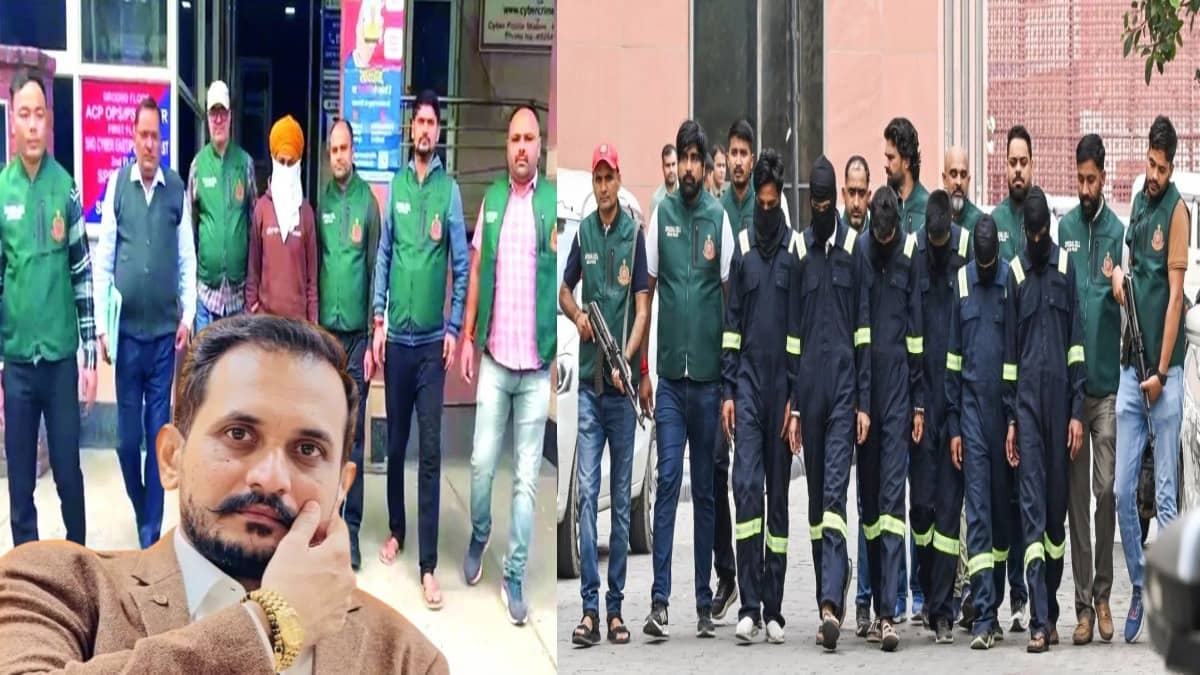
India arrests 200+ ISI-backed Shahzad Bhatti Network operatives

ISI plans to attribute Lashkar attacks to ISKP in Kashmir
NIA Chargesheet Alleges ISI Role in Pahalgam Cyber Network
Officials Warn Kashmir Threats May Mask Rebuilt Terror Networks

Mangaluru Police Arrest Man Accused of Posing as NCIB Official

Egyptian Queen’s $4 Million Diamond Necklace Stolen in Vienna
Turkey-Israel Rivalry Deepens Over Syria and Regional Influence
Four Decades Later, Sukumara Kurup Brunei Sighting Faces Doubts

Brunei Fugitive Claim Falters After Family Identifies Photograph
