

Archive · 14 Sep 2025
Nepal Crisis: Political Upheaval Raises Concerns for India
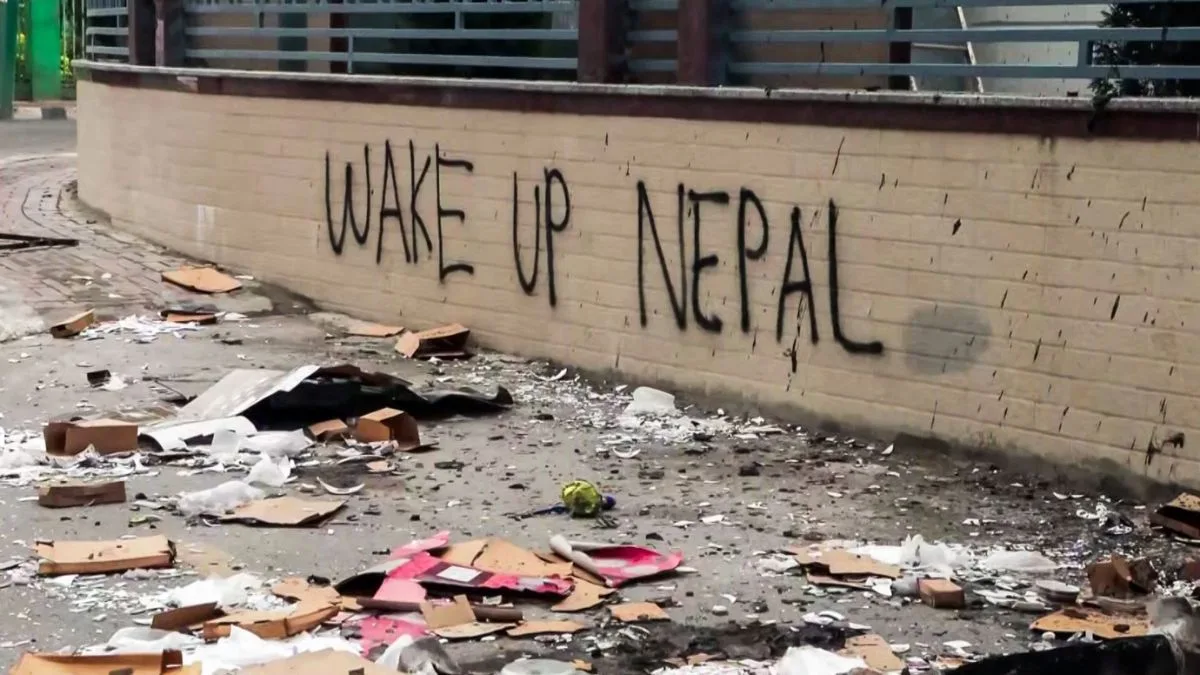
Nepal is going through a tough time.
Protests and violence led to the Prime Minister, KP Sharma Oli, stepping down.
People were angry about corruption and other issues.
This is a big deal for India, Nepal's neighbor, because they share a border and have close connections.
India is worried that this instability could cause problems.
The situation is also complicated by China's presence, which could change things in the region.
India is now trying to help without making things worse.

Nepal's Prime Minister KP Sharma Oli resigned following violent protests.
Protests began with a social media ban and escalated into an anti-corruption uprising.
Government buildings were attacked, and there were reports of deaths.
India is concerned about the instability in Nepal due to close ties.
The situation has potential geopolitical implications for China and India.
- Who
- KP Sharma Oli, former Prime Minister of Nepal
- What
- The resignation of KP Sharma Oli amidst violent protests in Nepal.
- When
- Recent events, including protests this week
- Where
- Nepal
- Why
- Fueled by a social media ban and growing into an anti-corruption uprising, causing instability.
Indian Perspective
Nepalese Perspective
Economic Impact
Indian Perspective
Potential disruption of trade and economic ties with Nepal
Nepalese Perspective
Economic hardship is cited as a key cause of the protests.
Geopolitical Influence
Indian Perspective
Concern that instability allows increased Chinese influence.
Nepalese Perspective
A focus on addressing domestic concerns and political changes in Nepal.
- Key Event
- Resignation of Nepal's Prime Minister KP Sharma Oli after violent protests
- Casualties
- Over 20 deaths reported
- Protests
- Anti-corruption uprising, including attacks on government buildings
- Impact on India
- Concerns over instability in a neighboring country with strong ties
- Geopolitical implications
- Increased opportunity for China's influence
