

Archive · 11 Aug 2025
The Viking Diet: Making a Comeback with Health Benefits and Risks
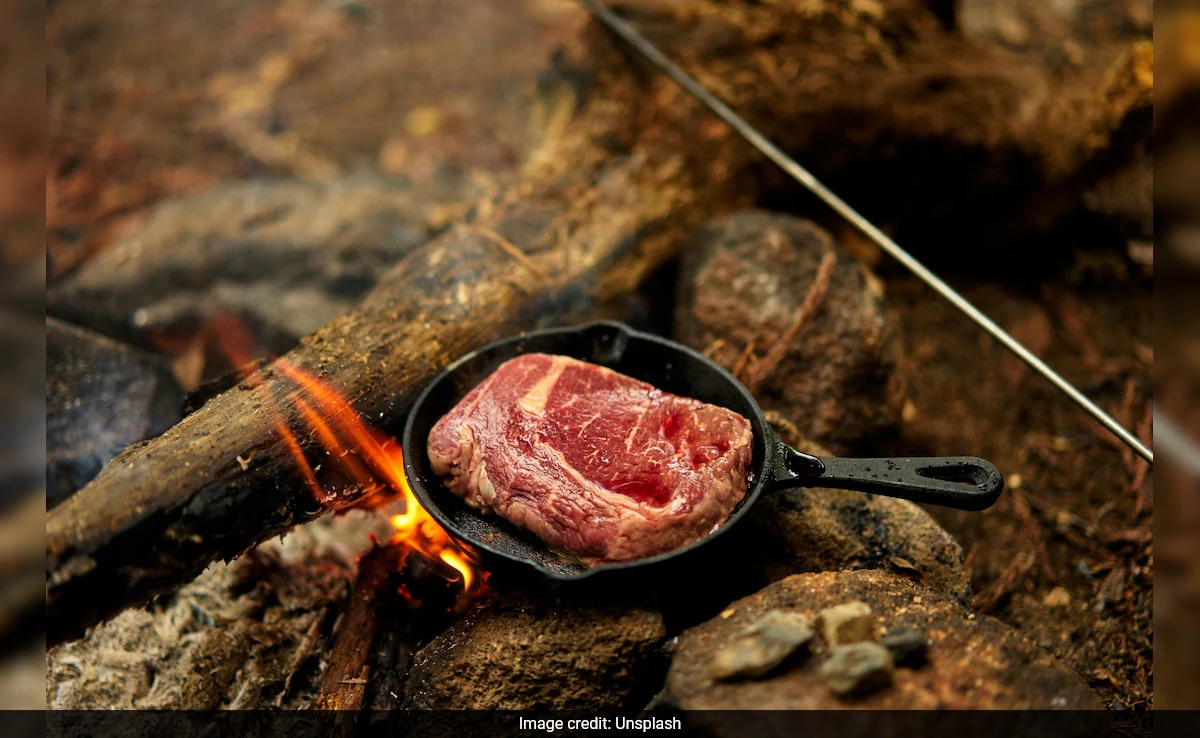
The Viking diet, also known as the Nordic diet, is becoming popular again.
It's based on what Vikings ate, which was mostly foods found in their area, like fish, grains, fruits, vegetables, and dairy.
They ate whole foods and preserved them by smoking, salting, and fermenting.
An expert says this diet is similar to today's wellness plans and is good for your gut.
However, it has more meat and animal fat than other diets, which could be a risk for heart health.
So, while it has benefits, it's important to be aware of the potential downsides.

The Viking diet is making a comeback, focusing on whole, locally sourced foods.
The diet includes fish, grains, fruits, vegetables, and dairy products.
Vikings used methods like smoking, salting, and fermenting to preserve food.
Expert Lauren Harris-Pincus highlights the diet's focus on clean, sustainable foods.
A downside is the high saturated fat content, potentially posing a cardiovascular risk.
- Who
- The Vikings, a Scandinavian people.
- What
- The Viking diet, consisting of foods like fish, grains, fruits, vegetables, and dairy.
- When
- From the late 8th to the mid-11th centuries, and a current trend.
- Where
- Scandinavia (Denmark, Norway, and Sweden) and other areas where Vikings settled.
- Why
- Because it focuses on whole, locally sourced foods that are considered healthy.
Potential Health Benefits
Potential Health Risks
Impact on Health
Potential Health Benefits
Supports gut health and helps prevent lifestyle diseases.
Potential Health Risks
High saturated fat content is a cardiovascular risk.
- Diet Name
- Viking Diet/Nordic Diet
- Foods
- Fish, grains, fruits, vegetables, dairy
- Preservation Methods
- Smoking, salting, fermenting
- Expert Opinion
- Lauren Harris-Pincus
- Potential Downside
- High saturated fat content