

Archive · 26 Dec 2025
Female Genital Mutilation Persists in Kenya Despite Ban
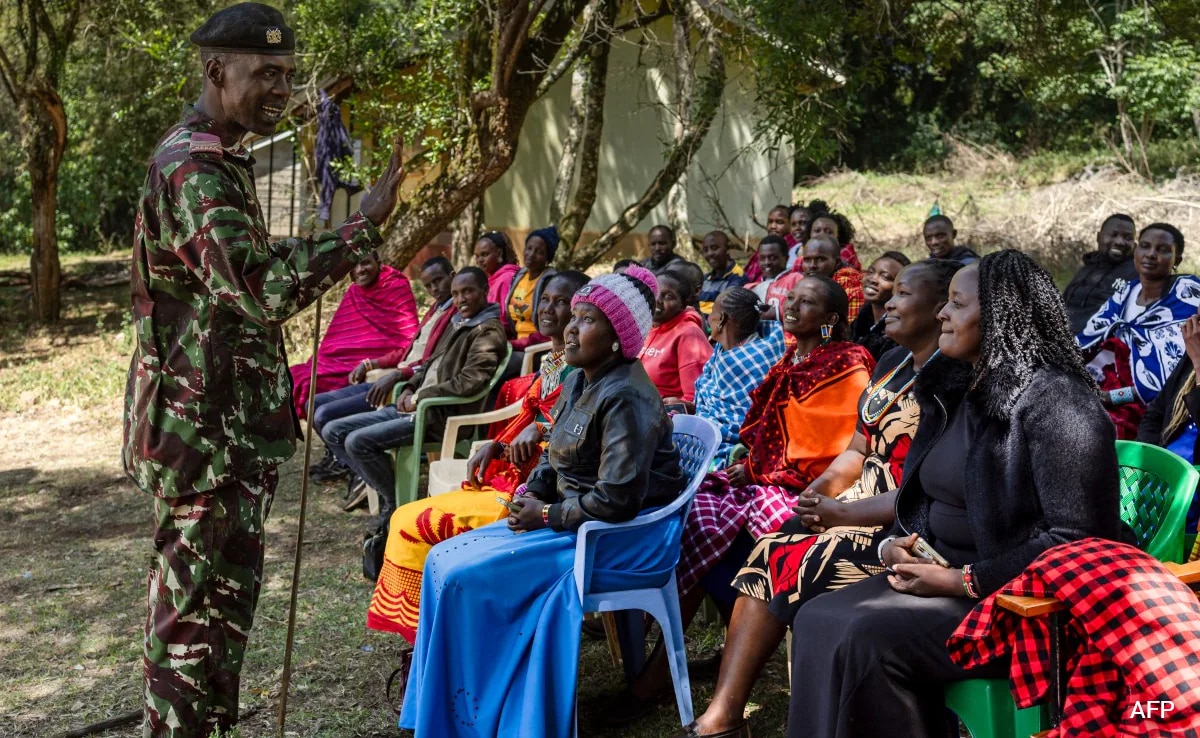
In Kenya, a harmful practice called female genital mutilation (FGM) is still happening, even though it was made illegal in 2011.
In some places like Narok County, many girls are still being cut.
People believe it's a tradition, but it's very dangerous and can cause health problems.
Some brave people are trying to stop it by rescuing girls and teaching the community.
However, many still support FGM because of cultural beliefs and fear of being ostracized.
The government says the number of girls affected has gone down, but in some areas, it's still very high.
There's a lot of work to be done to end this practice.

Female genital mutilation (FGM) persists in Kenya despite being banned in 2011.
In Narok County, around 80% of girls are still affected by FGM.
Cultural beliefs and social pressure contribute to the continuation of FGM.
Activists and shelters are working to rescue and protect girls at risk of FGM.
Corruption and lack of education hinder efforts to eradicate FGM in the region.
- Who
- Maasai and Somali communities in Kenya, particularly in Narok County
- What
- Female Genital Mutilation (FGM) continues despite being banned in 2011
- When
- FGM is performed before marriage, with ongoing practices reported in 2023
- Where
- Narok County and other remote areas in Kenya
- Why
- Cultural beliefs, social pressure, and lack of education contribute to the persistence of FGM
- Location
- Narok County, Kenya
- Year of Ban
- 2011
- National FGM Rate (2022)
- 9%
- Local FGM Rate (Narok)
- 80%
- Somali Diaspora FGM Rate
- Over 90%
- Girls Rescued by Mission with a Vision
- 3,000
- Narok Illiteracy Rate (2022)
- 50%