

Archive · 21 Jan 2026
Archaeologist Close to Finding Queen Nefertiti's Tomb
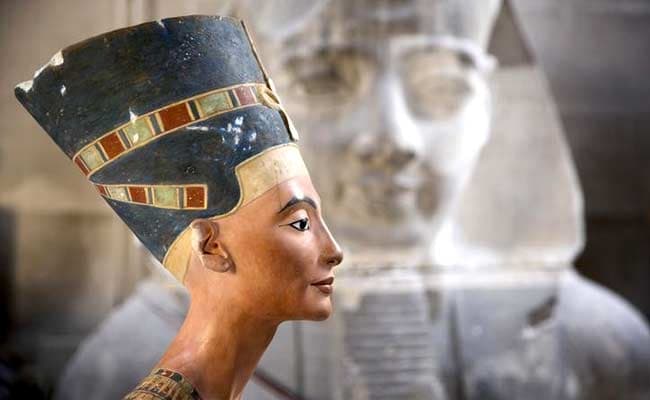
A famous Egyptian archaeologist named Dr. Zahi Hawass thinks he might be close to finding the tomb of Queen Nefertiti, a very important queen from ancient Egypt.
He is digging in a place called the Valley of the Kings, near another queen's tomb.
Even though he doesn't have proof yet, he believes it could be there.
Finding her tomb would help answer questions about her life and role in Egypt's history.
Queen Nefertiti was known for her beauty and power, and she was married to a pharaoh named Akhenaten.
They made big changes in Egypt's religion.
Other experts are not so sure about Hawass's theory, but it's still exciting to think about what might be found.

Dr. Zahi Hawass is excavating in the eastern Valley of the Kings, near Hatshepsut's tomb, searching for Queen Nefertiti's tomb.
Hawass believes he is close to the discovery but admits he lacks definitive evidence.
Discovering Nefertiti's tomb could resolve debates about her role as a possible pharaoh and her influence in Egypt's religious history.
Queen Nefertiti was a powerful figure, depicted alongside her husband in prominent roles, and known for her beauty and political authority.
Other experts remain skeptical, as past theories about Nefertiti's tomb have been dismissed.
- Who
- Dr. Zahi Hawass, Egyptian archaeologist and former Minister of Antiquities
- What
- Potential discovery of Queen Nefertiti's tomb
- When
- Currently excavating, no specific timeline provided
- Where
- Eastern Valley of the Kings, near the tomb of Hatshepsut
- Why
- To resolve historical debates and make a significant archaeological discovery
- Archaeologist
- Dr. Zahi Hawass
- Location
- Eastern Valley of the Kings, near Hatshepsut's tomb
- Significance
- Potentially the greatest discovery of the century
- Queen Nefertiti's Role
- Great Royal Wife of Pharaoh Akhenaten, possible pharaoh
- Current Evidence
- No definitive proof, based on mapping and excavations
- Historical Debate
- Whether she ruled as pharaoh under the name Neferneferuaten
- Artistic Legacy
- Iconic painted bust discovered in 1912