

Archive · 29 Aug 2026
Ramayana Story, Manuscripts and Art Spanned Different Eras
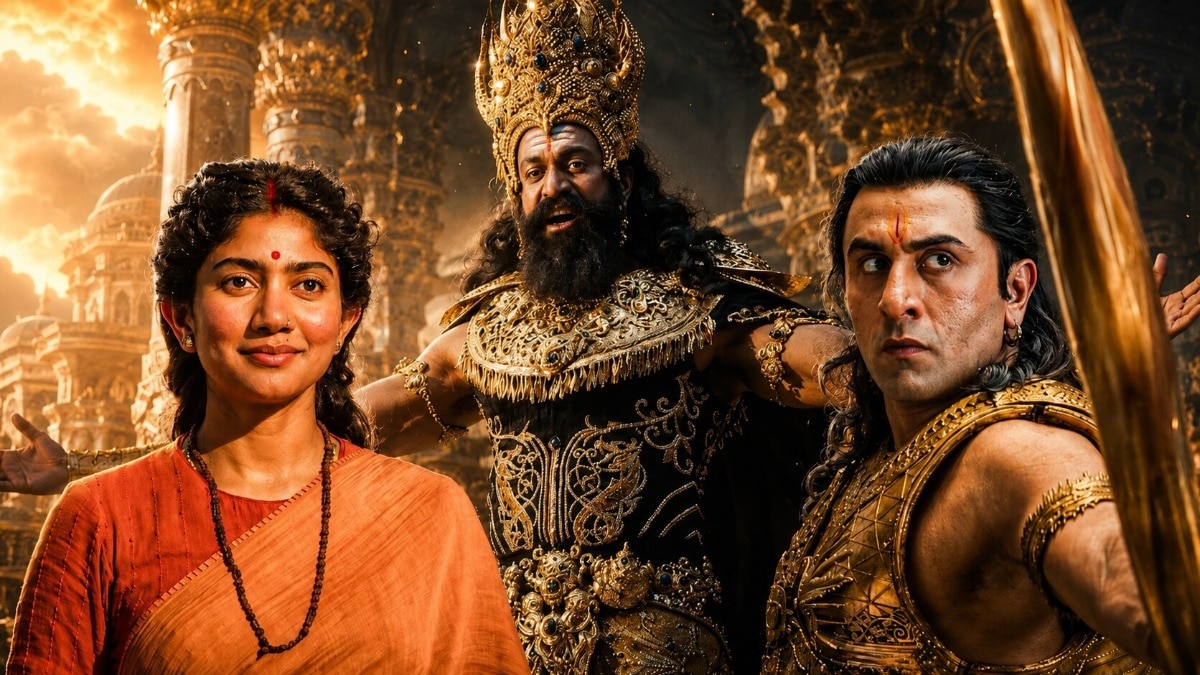
The Ramayana may not have been created all at once.
Pattanaik thinks an early version of its story could be about 3,000 years old.
He uses clues such as chariots, elephants, trees and places mentioned in the epic.
The story may have been written down much later, around 2,000 years ago.
Buddhist stories may contain pieces of even older versions of the tale.
Pictures of Rama and Sita appeared later still, about 1,500 years ago.
This means the story, its written form and its artwork can belong to different periods.
Pattanaik says these dates are estimates, not certain historical conclusions.

Pattanaik estimates the Ramayana’s underlying story may date to roughly 3,000 years ago.
He bases the estimate partly on references to chariots, elephants, trees and regional geography.
He places the written Ramayana tradition around 2,000 years ago, after writing became established in India.
Buddhist Jataka stories may preserve older fragments resembling episodes from the Ramayana.
Ramayana-related artwork emerged later, with early representations dated to roughly 1,500 years ago.
- Who
- Devdutt Pattanaik, referred to as Pattanaik in the article, proposed the chronology discussed.
- What
- The article explains a proposed timeline separating the Ramayana’s underlying story, written tradition and artwork.
- When
- Pattanaik estimates the story at roughly 3,000 years ago, manuscripts at around 2,000 years ago and artwork at about 1,500 years ago.
- Where
- The proposed geography places key settings in or near central and eastern India, including Chhattisgarh, Jharkhand and western Odisha, with Kishkindha and Lanka interpreted as north of the Godavari.
- Why
- The timeline is based on textual references, archaeological and cultural clues, geography, writing history and surviving artistic representations.
- Underlying story
- Estimated by Pattanaik at approximately 3,000 years ago.
- Written tradition
- Estimated at around 2,000 years ago.
- Early artwork
- Ramayana-related visual representations are estimated at roughly 1,500 years old.
- Textual clues
- References to Shakas, Yavanas and Chinese silk are cited as signs of later composition.
- Geographic clues
- References to sal, Ashoka and Mahua trees are associated with central and eastern India.
- Older story fragments
- Buddhist Jataka stories contain elements resembling Ramayana episodes such as exile and abduction.
- Level of certainty
- Pattanaik describes the chronology as speculation and a guesstimate, not a definitive historical date.