

Archive · 4 Sep 2026
WMO warns intensifying El Niño threatens India’s rain and wheat
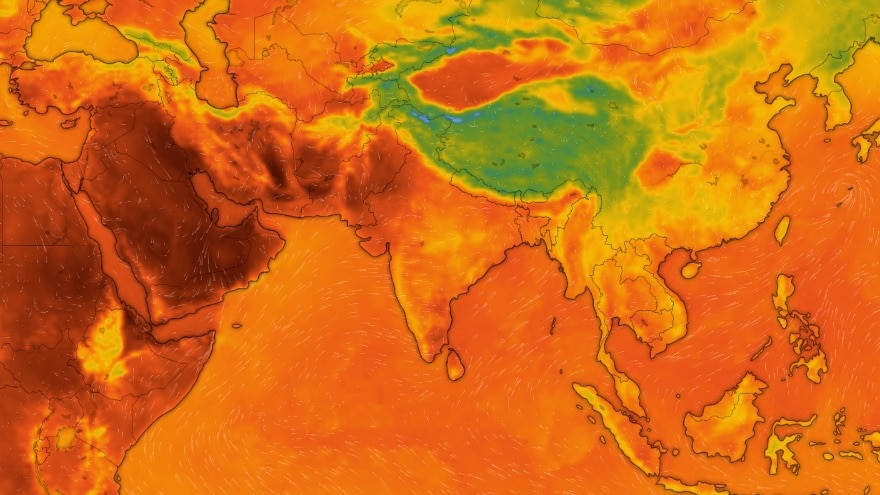
El Niño is a natural climate pattern that warms parts of the Pacific Ocean and can affect weather around the world.
The World Meteorological Organization says this El Niño may become stronger through February 2027.
Stronger El Niño conditions often bring less rain to India.
India already had 16% less rain than usual in August.
August was also India’s hottest such month since records began in 1901.
September rainfall is expected to be below normal.
El Niño may also make India’s winter warmer.
In northern India, warmer late winter and early spring weather can hurt wheat while the grain is developing.
This could create more difficulties for farmers and communities if droughts, floods and heat increase.

The World Meteorological Organization says El Niño could intensify through February 2027, increasing risks from droughts, floods and heat.
India’s rainfall deficit reached 16% in August, which the India Meteorological Department attributed partly to prevailing El Niño conditions.
August was India’s hottest August since 1901, according to the India Meteorological Department.
The India Meteorological Department forecasts September rainfall at below 91% of the long-period average of 167.9 millimetres.
Warmer and shorter winters in northern India are increasing terminal heat-stress risks for wheat and other Rabi crops.
- Who
- The World Meteorological Organization, Secretary-General Celeste Saulo, the India Meteorological Department and Climate Trends are cited.
- What
- The World Meteorological Organization warned that El Niño could intensify, potentially worsening rainfall shortages, heat and risks to wheat production in India.
- When
- The warning was issued on a Thursday; the World Meteorological Organization projected impacts through February 2027, while the India Meteorological Department said conditions could persist until February next year.
- Where
- The forecast concerns global communities and economies, with specific effects discussed for India, especially northern India.
- Why
- El Niño changes Pacific Ocean temperatures and atmospheric conditions, and it typically reduces rainfall in India while raising temperatures.
- Projected El Niño period
- The World Meteorological Organization said El Niño could intensify through February 2027.
- August rainfall deficit
- India’s overall rainfall was 16% below normal in August.
- August temperature record
- August was India’s hottest August since 1901.
- September rainfall forecast
- Rainfall is forecast to be below 91% of the long-period average.
- September long-period average
- The September average is about 167.9 millimetres, based on 1971–2020 data.
- Northern India warming
- Climate Trends reported February warming of 0.69 degrees Celsius per decade, with March and April increasing by 0.58 and 0.66 degrees Celsius per decade, respectively.
- Crop risk
- Warmer conditions during wheat’s reproductive and grain-filling stages are increasing the risk of terminal heat stress.