

Archive · 11 Oct 2026
Andhra Pradesh Finalises BC Reservations in Urban Local Bodies
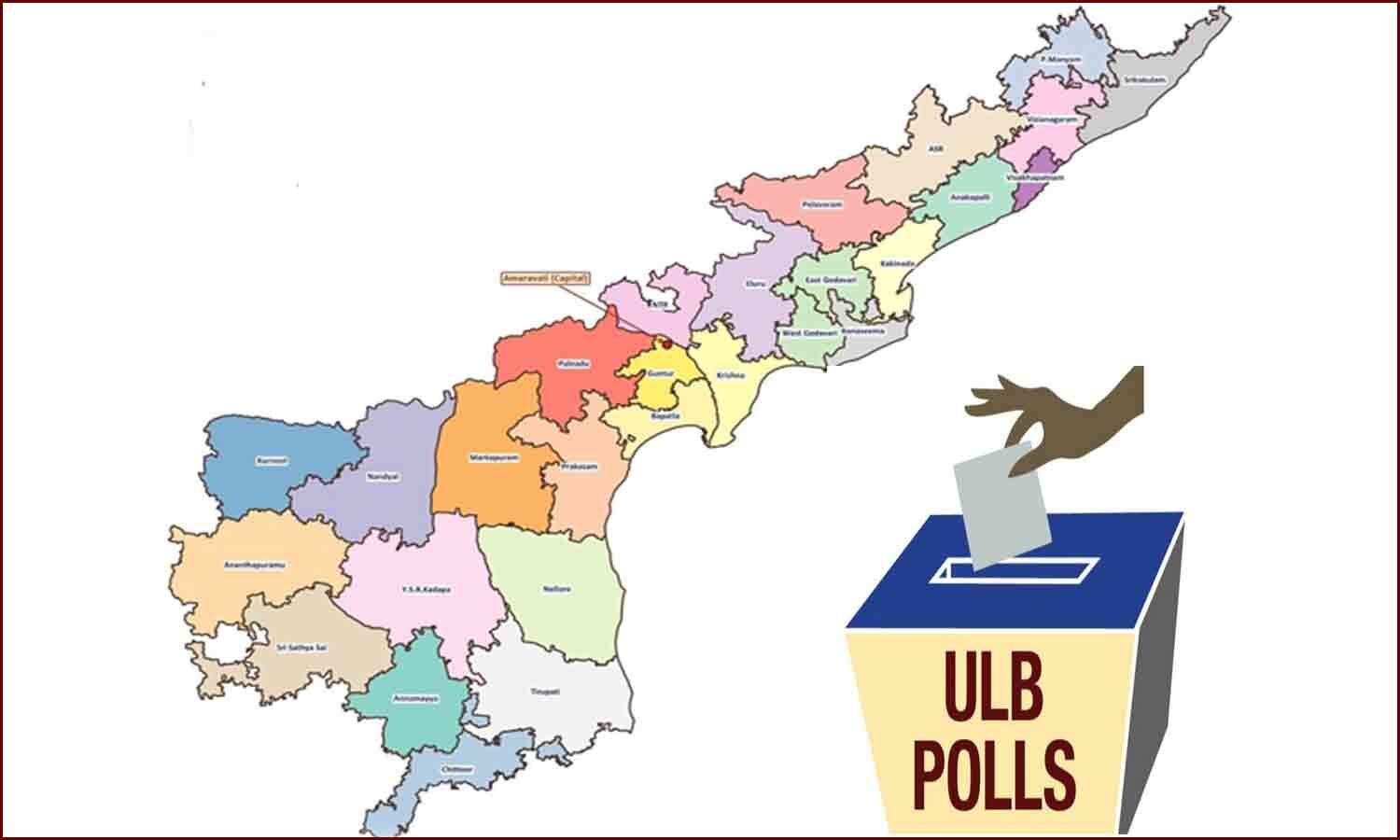
The Andhra Pradesh government has decided how many local government seats will be reserved for different communities.
The decision covers towns and cities, including municipal councils and corporations.
Seats are assigned first to Scheduled Tribes, then Scheduled Castes, and then Backward Classes.
Together, these reservations cannot go above half of the seats.
The government used survey data and recommendations from a special commission to set the Backward Classes share.
Reservations for local leaders and ward members will rotate, following the cycle used in 2021.
If ward boundaries change, a new reservation cycle will be used for ward members.
The order follows court directions and asks the Municipal Administration Department to put the allocations into effect.

Andhra Pradesh issued a Government Order finalising Backward Classes reservations in urban local bodies.
Combined reservations for Scheduled Tribes, Scheduled Castes and Backward Classes must not exceed 50%.
Urban reservation allocations used Unified Family Survey and SGSW data, with seats prioritised for STs, then SCs, then BCs.
The BC quota was based on a dedicated commission’s report prepared under the Supreme Court-mandated triple test.
Allocations cover mayors, municipal chairpersons and ward members, using a rotation system tied to the 2021 cycle.
- Who
- The Andhra Pradesh government; Principal Secretary S. Suresh Kumar issued the order.
- What
- It finalised reservations for Backward Classes and other groups in urban local bodies.
- When
- The order was issued; no date is specified in the article.
- Where
- Andhra Pradesh urban local bodies, including municipalities, nagar panchayats and municipal corporations.
- Why
- To implement reservation allocations in line with court directions and recommendations from a dedicated commission.
Earlier BC reservation order
New reservation process
Basis for BC reservations
Earlier BC reservation order
An earlier Government Order provided 33.33% reservation for BCs and was subject to High Court directions.
New reservation process
The new allocations rely on a dedicated commission’s report prepared under the Supreme Court-mandated triple test, with the combined ST, SC and BC share capped at 50%.
- Government Order
- GO MS No. 251
- Reservation ceiling
- Combined ST, SC and BC reservations must not exceed 50%.
- Allocation priority
- STs first, followed by SCs and then BCs.
- Data sources
- Unified Family Survey and SGSW.
- BC quota basis
- Dedicated commission report prepared in accordance with the Supreme Court-mandated triple test.
- Rotation
- Future allocations will follow the reservation cycle used in 2021; ward delimitation would trigger a new cycle for ward members.
- Commission chair
- Retired IAS officer Rajiv Ranjan Mishra.
- Implementation
- The Municipal Administration Department was instructed to take further steps.