

Archive · 21 Jan 2026
Neurotechnology Shift: Brain-Interfacing Wearables Enter Daily Life
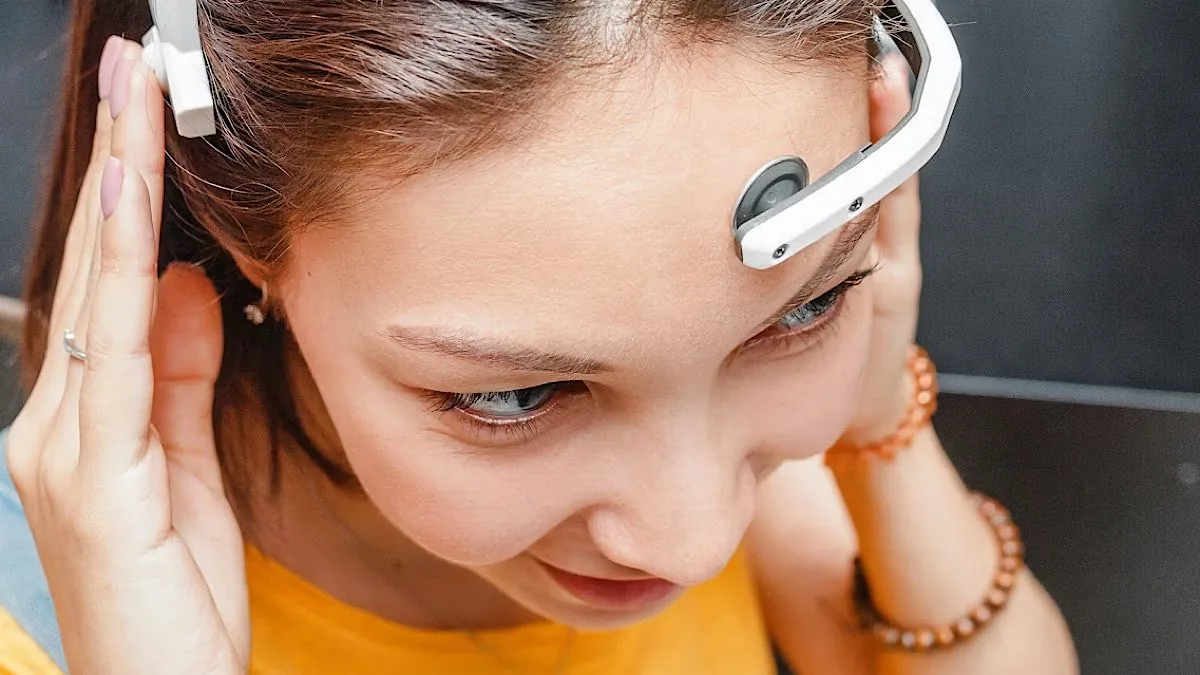
Imagine a device that can read your thoughts and help you make decisions, like checking if you can afford something before you even open your banking app.
This is what neurotechnology is starting to do.
It's moving from hospitals and labs into everyday life, like work, school, and entertainment.
These new wearables connect with your brain to do things like translate your thoughts into text or help you control apps without speaking.
While this can be helpful, especially for people who can't speak, it also raises questions about privacy, who's in control, and how it affects society.
We're still figuring out the best ways to use this technology and make sure it's fair for everyone.

Neurotechnology is transitioning from medical settings to everyday life, making the brain an interface for daily activities.
Examples include silent speech decoding, productivity tracking, and educational applications.
Technical challenges exist, such as the need for wearable, noninvasive devices that are reliable and accurate.
Ethical concerns include privacy, consent, inequalities in access, and societal pressure on non-users.
The Neurotechnology Shift involves technoscientific, cognitive, and sociocultural transformations, redefining how we interact with technology and each other.
- Who
- Researchers, tech companies, and consumers exploring and adopting neurotechnology.
- What
- The Neurotechnology Shift: Integration of brain-interfacing wearables into daily life.
- When
- Currently in early stages with ongoing developments and research.
- Where
- Nonclinical settings such as workplaces, education, and entertainment.
- Why
- To enhance communication, productivity, and educational support, but also raises ethical and societal concerns.
- Definition
- Neurotechnology Shift: Migration of neurotechnology from labs/hospitals to nonclinical settings, making the brain an everyday interface.
- Examples
- Silent speech decoding, productivity tracking, fatigue monitoring for workers, educational applications.
- Challenges
- Technical limitations, ethical concerns, governance mechanisms, societal implications.
- Current Status
- Early stages with unresolved questions about performance, reliability, and socioeconomic consequences.
- Potential Benefits
- Enhanced communication for patients with ALS, improved productivity, and educational support.
- Potential Risks
- Privacy concerns, consent issues, inequalities in access, and pressure on non-users.
- Key Players
- Consumer neurotech companies, research groups, educational institutions, and tech giants like Meta.
- Ethical Principles
- Emerging ethical principles but lack of practical governance mechanisms.