

Archive · 30 Jan 2026
BRICS Eyes Digital Payment System to Bypass Dollar
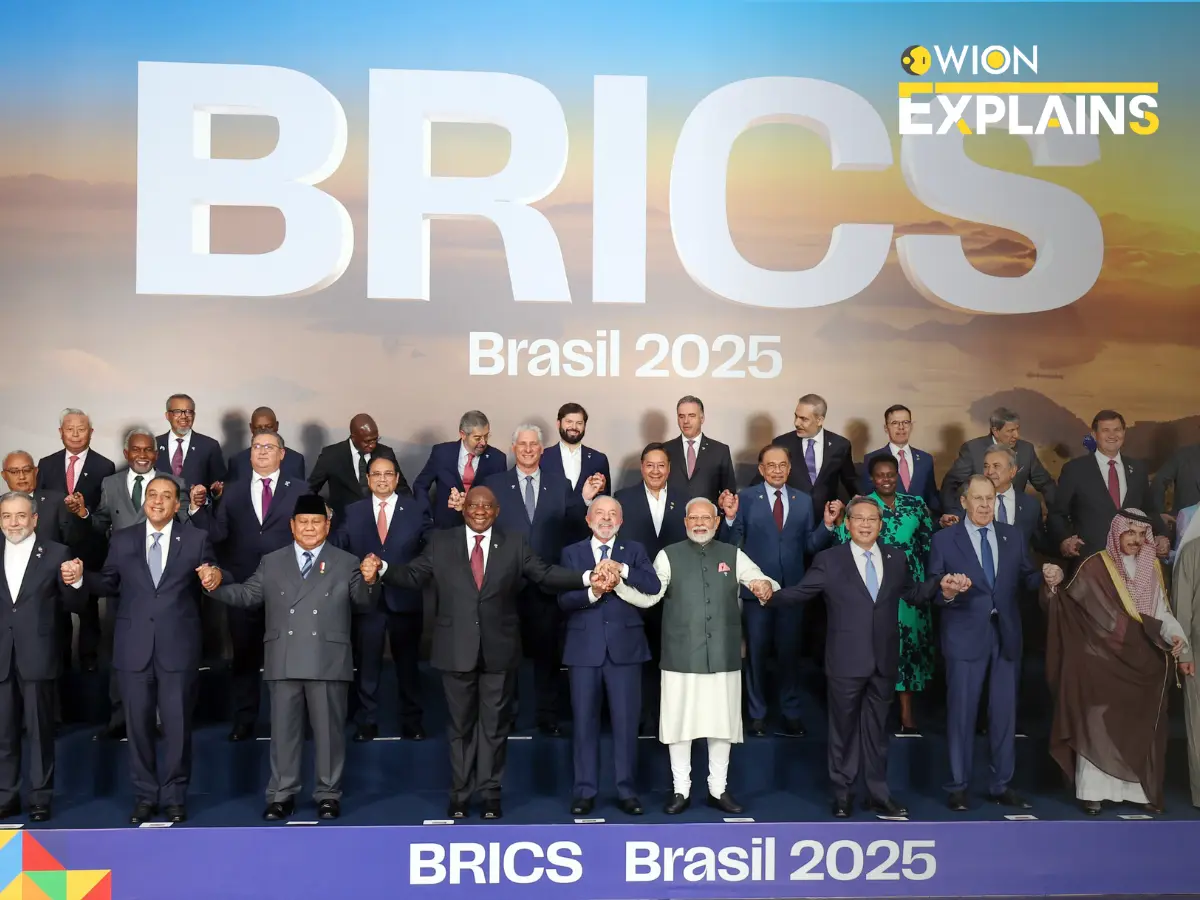
The BRICS countries are working on a new digital payment system that would allow them to trade using their own digital currencies instead of the US dollar.
This system would connect digital currencies like India's digital rupee, China's digital yuan, and Russia's digital ruble.
Each country would keep control of its own currency, but they would be able to trade directly with each other without using the dollar or the SWIFT network.
This could make trade cheaper and more secure.
However, it will take time to set up because the digital currencies are still being tested and there are different rules in each country.
The goal is to have a backup system in case the dollar system becomes unstable.

BRICS countries are developing a digital payment system using interoperable CBDCs to reduce dependency on the US dollar.
India is playing a central role, emphasizing interoperability while preserving sovereignty.
The system would allow direct trade settlements in national digital currencies, bypassing the SWIFT network.
Settlement cycles and forex swap lines would reduce liquidity needs and transaction costs.
The system is not intended to replace the dollar but to provide a backup in case of instability.
- Who
- BRICS countries (Brazil, Russia, India, China, South Africa)
- What
- Development of a digital payment system using interoperable CBDCs
- When
- Expected to take time due to ongoing pilot stages and varying legal frameworks
- Where
- BRICS nations, with India playing a central role
- Why
- To reduce dependency on the dollar, mitigate financial risks, and ensure trade continuity
- Primary Category
- ECONOMICS
- Secondary Category
- Digital Payments
- Tertiary Category
- BRICS
- Quaternary Category
- CBDCs
- Key Countries
- India, China, Russia
- Key Technology
- Central Bank Digital Currencies (CBDCs)
- Potential Benefits
- Reduced dependency on dollar, lower transaction costs, increased financial sovereignty
- Challenges
- Different inflation regimes, capital controls, technical and legal variations