

Archive · 4 Sep 2025
MS Swaminathan: Architect of India's Green Revolution
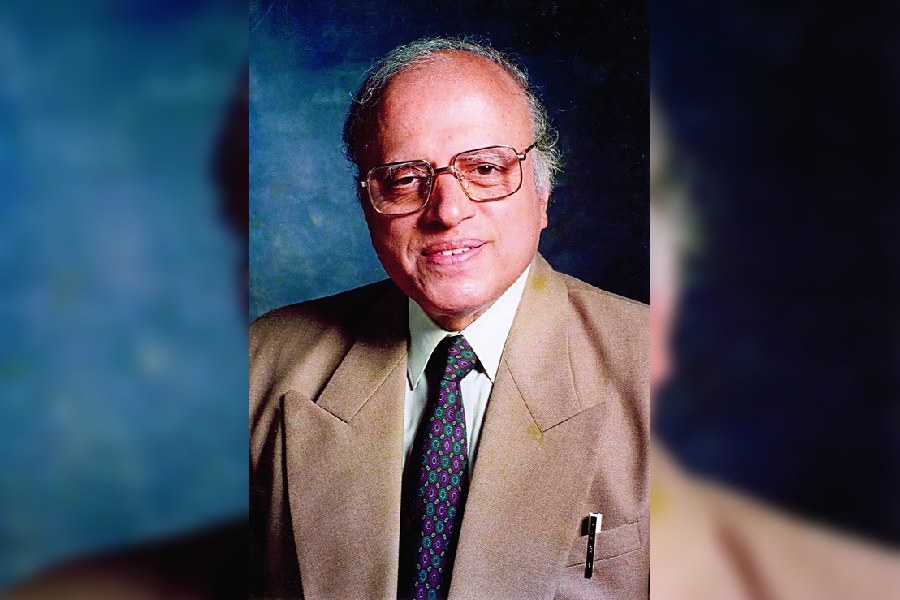
Imagine India didn't have enough food for everyone.
Scientists, including M.S. Swaminathan, worked hard to find a solution.
They found special seeds that grew lots of wheat, even though the government was hesitant at first.
With support from the government, farmers and a lot of hard work, India grew much more wheat, enough to feed its people without buying from other countries!
This helped India become stronger and more independent.
Swaminathan was the first person to win the World Food Prize because of his great work to ensure people have food.

India faced a severe food crisis in the mid-1960s.
M.S. Swaminathan spearheaded the introduction of high-yield wheat varieties.
Norman Borlaug provided dwarf wheat seeds, which were crucial for the Green Revolution.
The Green Revolution led to a 250% increase in wheat production.
India achieved agricultural self-reliance and stopped food grain imports in 1968.
- Who
- M.S. Swaminathan, along with other scientists and officials.
- What
- Led efforts to introduce high-yield wheat varieties in India, sparking the Green Revolution.
- When
- Mid-1960s
- Where
- India, including Delhi, Punjab, and Maharashtra.
- Why
- To address a severe food crisis and achieve agricultural self-reliance.
- Key Figure
- M.S. Swaminathan
- Event
- Green Revolution in India
- Role
- Scientist, Agricultural Researcher
- Key Contribution
- Import and development of high-yield wheat varieties
- Year India stopped importing grain
- 1968
- World Food Prize Recipient
- First Recipient