

Archive · 17 Sep 2026
Swadeshi Jagran Manch Challenges New UPI Merchant Transaction Fee
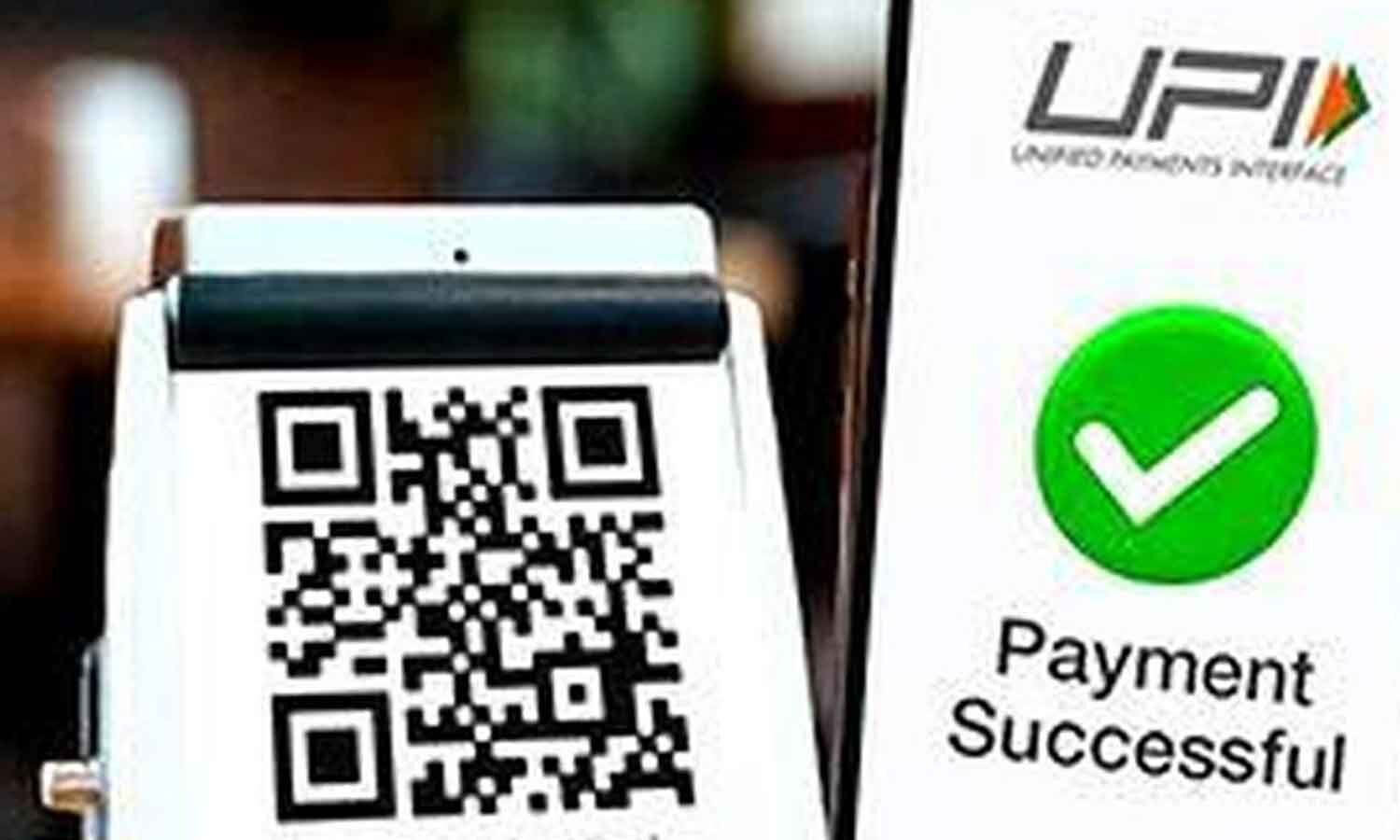
India plans to charge a 0.4% merchant fee on some UPI payments above Rs 2,000.
The rule applies when people pay businesses, not when they send money to other people.
Small UPI payments will also remain free.
The Finance Ministry said customers will not directly pay this fee.
People will still have unlimited free UPI use without monthly or volume limits.
Swadeshi Jagran Manch disagrees with the change.
It says banks have not asked for the fee and that UPI has reduced some banking costs.
The group also says cybersecurity costs and foreign concerns should not be used to end zero-MDR UPI payments.
The government has not been reported as directly responding to SJM’s criticism.

Swadeshi Jagran Manch urged the Indian government to reconsider a 0.4% MDR on UPI merchant transfers above Rs 2,000.
The fee is scheduled to begin October 15, while person-to-person and small payments remain free.
The Finance Ministry said customers will not directly pay the merchant discount rate and will retain unlimited free UPI use.
SJM said banks have not requested MDR and that UPI has reduced costs by lowering the need for infrastructure such as ATMs.
SJM argued that cybersecurity expenses and United States Trade Representative concerns should not justify ending zero-MDR UPI payments.
- Who
- The Swadeshi Jagran Manch, represented by co-convener Ashwani Mahajan, criticized the policy; the Finance Ministry explained the fee structure.
- What
- The government introduced a 0.4% merchant discount rate on UPI transfers above Rs 2,000 made to merchants.
- When
- The policy was introduced one day before the reported Wednesday criticism and is scheduled to take effect October 15.
- Where
- The policy concerns India’s Unified Payments Interface system.
- Why
- SJM says the fee is not justified by actual costs, could diminish a major Indian achievement, and should not result from international pressure.
SJM’s Objections
Government’s Policy
Whether MDR is justified
SJM’s Objections
Swadeshi Jagran Manch says the fee is not warranted by actual costs and that UPI has reduced banks’ operational expenses, including by reducing ATM requirements.
Government’s Policy
The government introduced a 0.4% MDR for merchant transfers above Rs 2,000 while preserving free person-to-person and small payments.
Who bears the charge
SJM’s Objections
SJM says cybersecurity and related expenses are banks’ own operating costs and should not justify imposing MDR on UPI transactions.
Government’s Policy
The Finance Ministry says customers will not directly pay the fee because MDR is a charge within the merchant payment ecosystem.
International concerns
SJM’s Objections
SJM says concerns from the United States Trade Representative should not influence India’s zero-MDR policy, arguing that Visa and Mastercard have lost business to UPI.
Government’s Policy
The government has proceeded with a limited MDR for qualifying merchant transactions; the articles do not report a direct government response to SJM’s criticism.
- Fee rate
- 0.4% merchant discount rate
- Payment threshold
- Transfers above Rs 2,000 made to merchants
- Effective date
- October 15
- Exempt payments
- Person-to-person transactions and small payments remain free
- Usage limits
- Individuals retain unlimited free UPI use without monthly quotas, volume restrictions, or tiered caps
- SJM objection
- The organization says the amount involved is too small to justify MDR
- Finance Ministry position
- MDR is part of the merchant payment ecosystem, not a direct charge on customers
