

Archive · 1 Dec 2025
Face Transplants: Ethical and Psychological Challenges 20 Years On
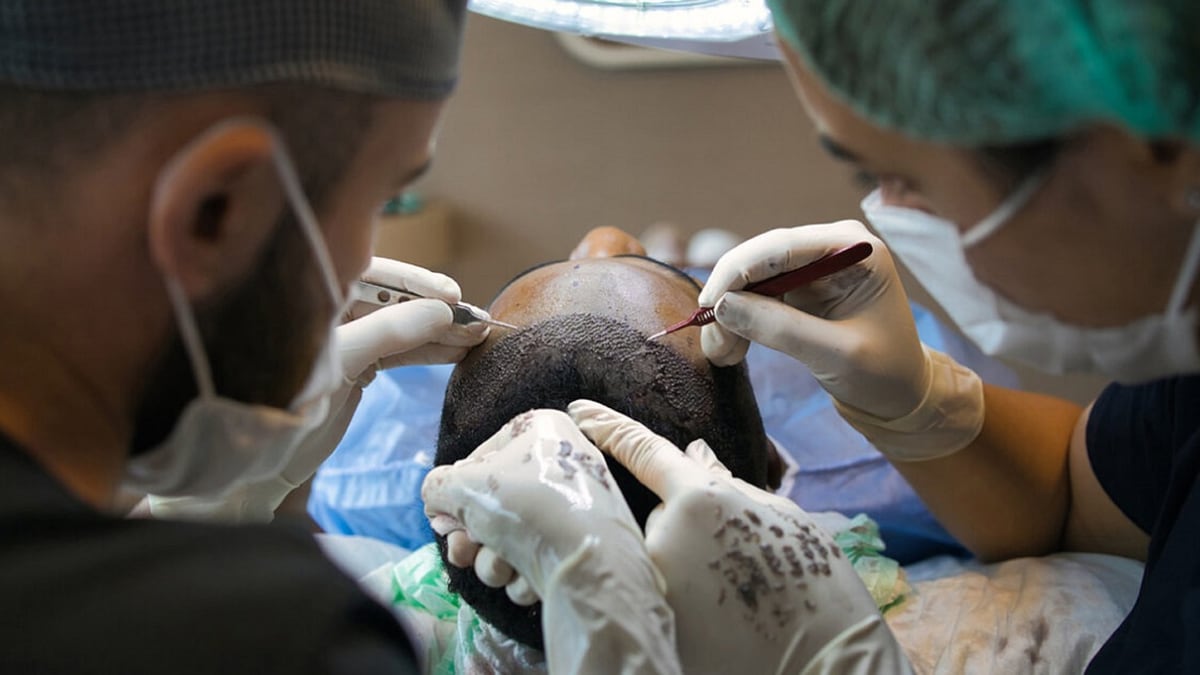
Twenty years ago, the first face transplant was done on a woman named Isabelle Dinoire.
This surgery was a big deal because it was the first time someone got a new face from a donor.
But it also brought up lots of questions.
Some people, like James Partridge, who works with people who have facial differences, worried about the ethics.
They thought it might make people feel like their faces weren't good enough.
There are also big risks, like the body rejecting the new face or having to take medicines for the rest of your life.
Isabelle Dinoire, the first person to get a face transplant, had a hard time with depression and feeling like everyone was staring at her.
Faces are very important to how we see ourselves and how others see us.
So, even though the surgery is possible, we still don't know all the long-term effects.
It's a complex issue that involves medicine, psychology, and culture.

The first partial face transplant was performed in 2005 on Isabelle Dinoire in France.
Around 50 face transplants have been performed worldwide, with significant risks including graft rejection and psychological toll.
James Partridge, an advocate for people with facial differences, raised ethical concerns about the procedure.
The psychological impact of face transplants includes issues of identity, belonging, and self-recognition.
Cultural pressures, such as social media and cosmetic surgery trends, add complexity to the debate.
- Who
- Isabelle Dinoire (first recipient), James Partridge (advocate), Peter Butler (surgeon), Bernard Devauchelle and Jean-Michel Dubernard (French surgical team)
- What
- Ethical and psychological challenges of face transplantation
- When
- 20 years after the first face transplant in 2005
- Where
- Global, with significant events in the UK and France
- Why
- To understand the long-term consequences of face transplantation
- First Face Transplant
- 2005, Isabelle Dinoire, France
- Total Face Transplants Worldwide
- Around 50
- Key Risks
- Graft rejection, infections, cancers, psychological toll
- Immunosuppressants
- Lifelong requirement with significant risks
- Psychological Impact
- Identity, belonging, self-recognition issues
- Cultural Pressures
- Social media, cosmetic surgery rates, body dysmorphic disorder