

Archive · 21 Nov 2025
Cyclone Senyar, Volcano Eruption, Cheetah Reintroduction, CBAM, Marine Wasting Disease
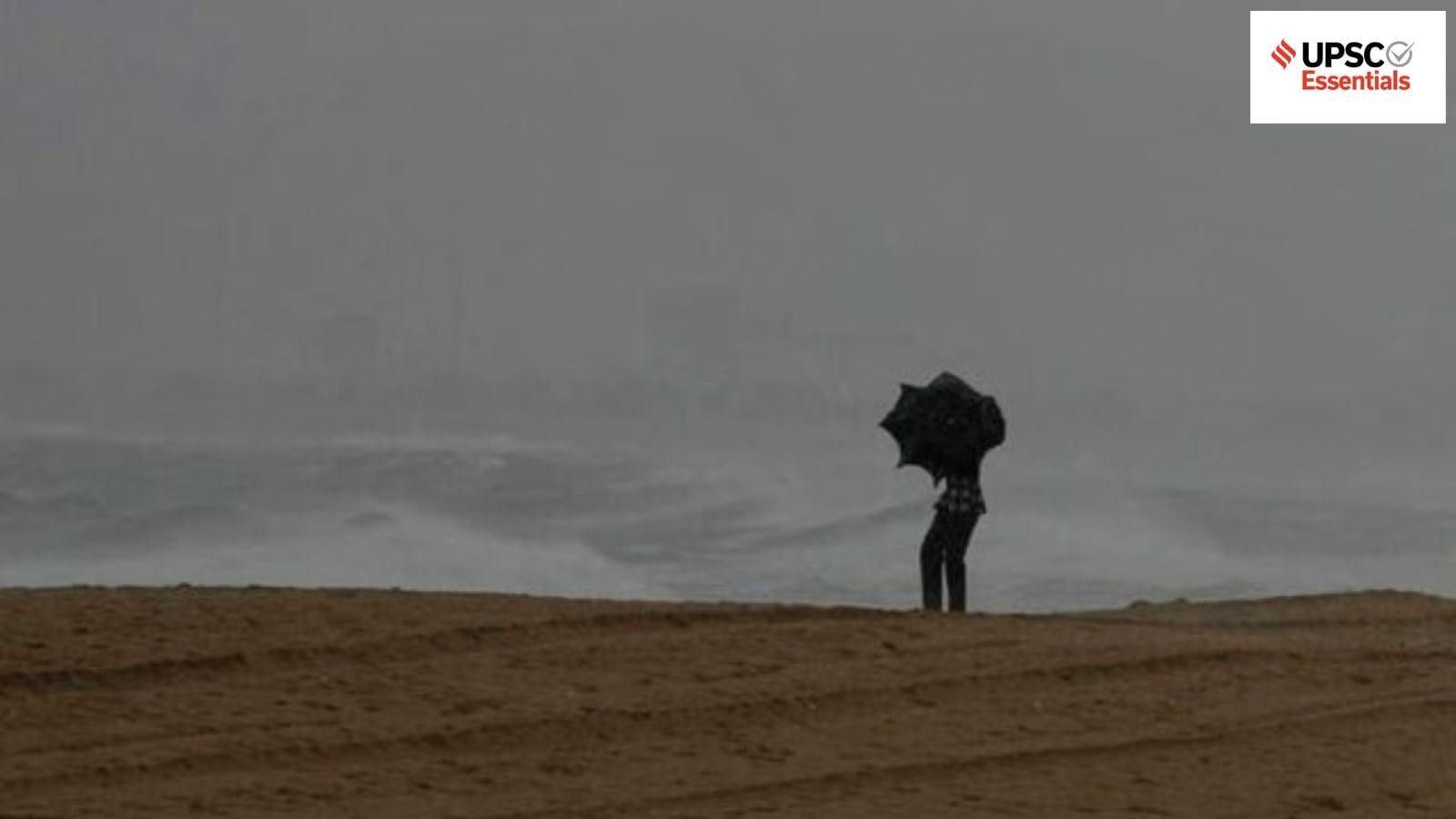
Cyclone Senyar didn't form over the Arabian Sea, and no heavy rainfall is expected.
A volcano in Indonesia erupted, spewing ash and debris.
Cheetahs are being reintroduced in Madhya Pradesh's Kuno National Park.
The EU's Carbon Border Adjustment Mechanism (CBAM) will initially apply to certain high-risk products.
A marine wasting disease is affecting starfish populations along the North American Pacific coast.

Cyclone Senyar not formed over Arabian Sea, no heavy rainfall expected
Volcano eruption in Indonesia causes ash and debris spewing
Kuno National Park in Madhya Pradesh hosts cheetah reintroduction project
CBAM to initially apply to iron/steel, cement, fertilizers, aluminum, hydrogen, and electricity
Marine wasting disease affects starfish populations along North American Pacific coast
- Who
- IMD, Mount Semeru, Mukhi (cheetah), EU, starfish
- What
- Issued alert for Andaman and Nicobar Islands, erupted, gave birth to cubs, introduced CBAM, dying off from wasting disease
- When
- November 21 (Cyclone Senyar alert), recently (Volcano eruption, Cheetah reintroduction, CBAM introduction), recently (Marine wasting disease)
- Where
- Andaman and Nicobar Islands, Indonesia, Kuno National Park, EU, Pacific coast of North America
- Why
- Due to cyclonic circulation (Cyclone Senyar alert), heat movement beneath Earth's surface (Volcano eruption), reintroduction project (Cheetah reintroduction), reduce carbon emissions (CBAM), unknown (Marine wasting disease)
Environmentalists
Industry Representatives
CBAM Impact
Environmentalists
Encourages cleaner production, protects EU industries
Industry Representatives
May increase production costs, affect international trade
- Cyclone Senyar
- Not formed over Arabian Sea, no heavy rainfall expected
- Volcano Eruption
- Mount Semeru, Indonesia
- Cheetah Reintroduction
- Kuno National Park, Madhya Pradesh
- CBAM
- EU's Carbon Border Adjustment Mechanism, initially applies to high-risk products
- Marine Wasting Disease
- Affects starfish populations along North American Pacific coast