

Archive · 3 Aug 2026
Frauds, Crimes, and the Illusion of a Nation in Peril
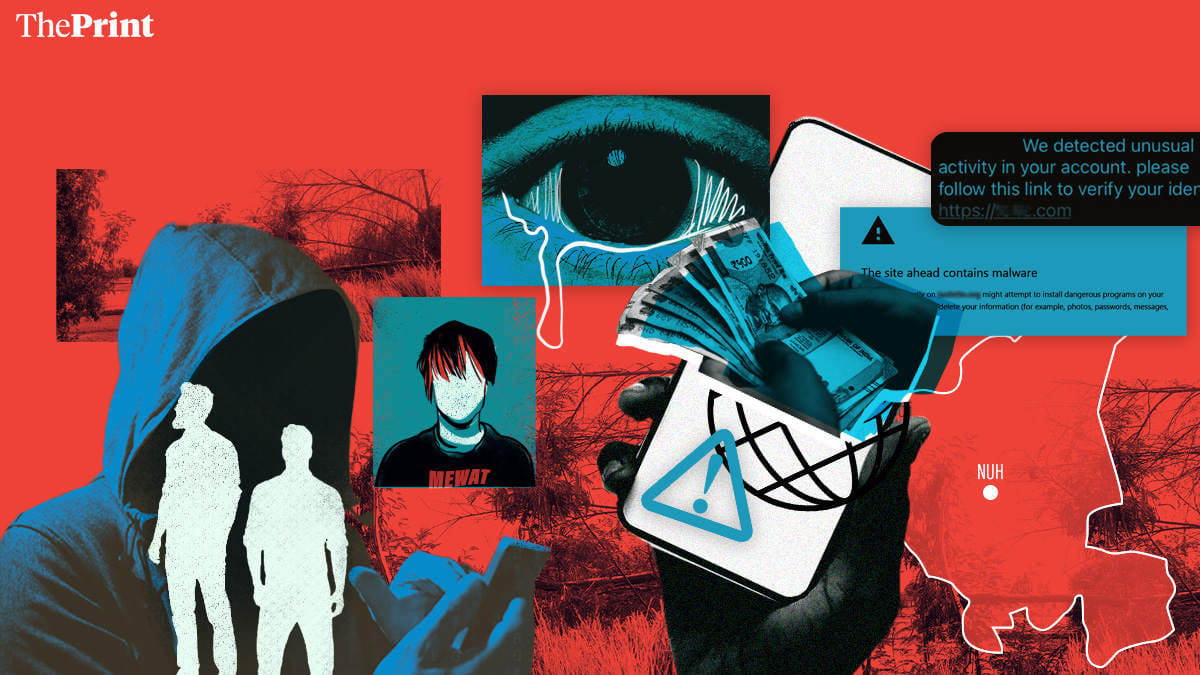
People in India read a lot of news about fraud and crime.
Even if only a few people are affected, the stories get shared many times on social media.
Our brains remember scary stories better than everyday safe events, so we think crime is higher than it really is.
This can make people feel scared and suspicious.
The author says we should look at crime rates, not just the number of stories, and that governments and media should share clear data.
By doing this, we can stop feeling unsafe when we are actually safe.

Fraud and crime incidents are common but often perceived as widespread due to media amplification.
Human psychology favors threat perception over proportion, leading to heightened fear.
Social media algorithms amplify exceptional events, making them seem normal.
Perception can diverge from reality, causing societal paranoia and mistrust.
Governments and media should communicate data effectively to restore balanced perspective.
- Who
- Col KL Viswanathan, Indian Army veteran and contemporary affairs commentator
- What
- An opinion piece on how crime and fraud perception diverge from reality
- Where
- India
- Why
- To explain the psychological and media factors that inflate perceived danger and suggest ways to restore balanced perspective
- Author
- Col KL Viswanathan
- Publication
- ThePrint
- Country
- India
- Topic
- Crime and fraud perception
- Key Insight
- Media amplification skews public perception