

Archive · 30 Dec 2025
Ancient Board Games from India to Ur
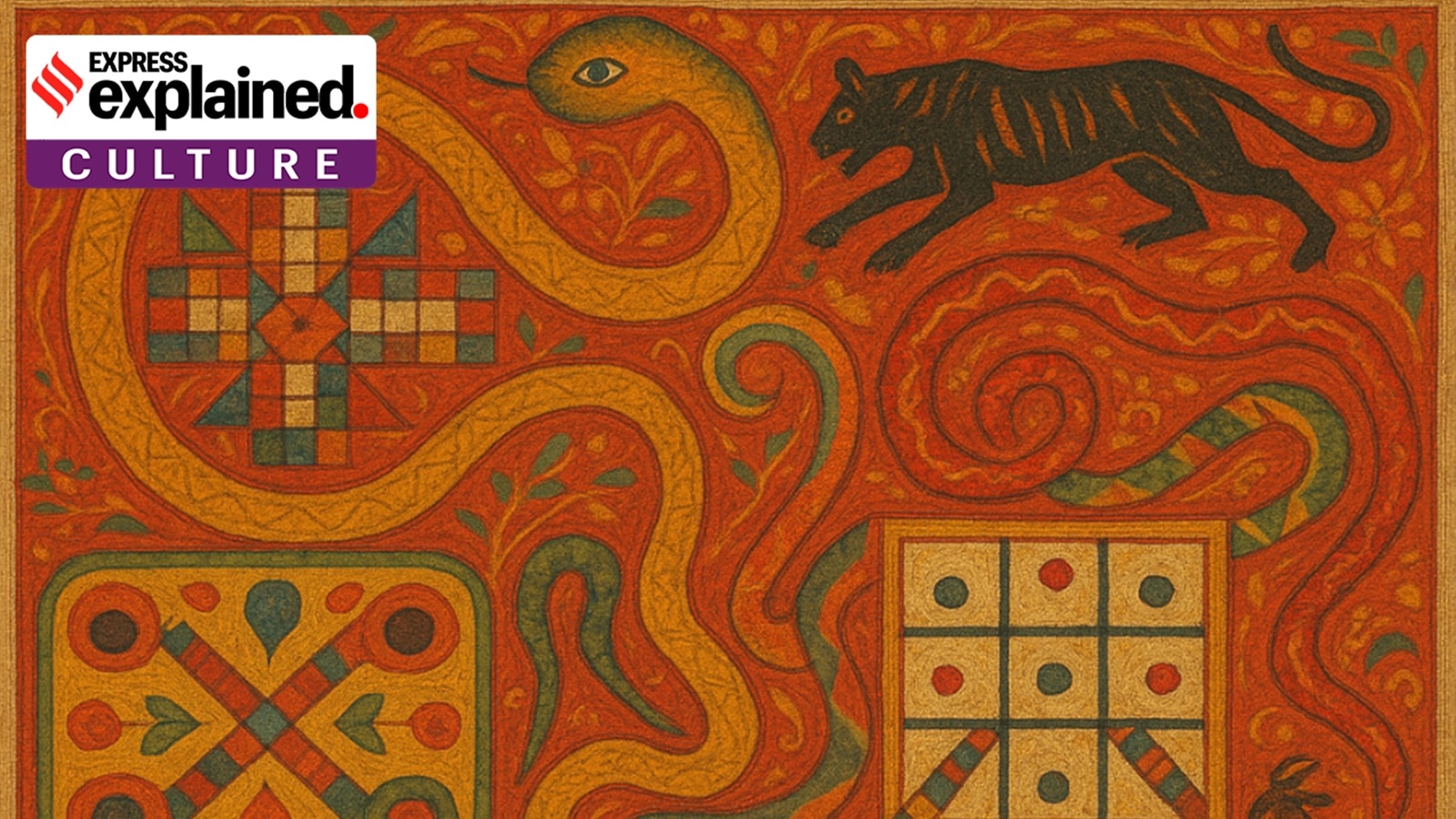
Ancient board games like Chaturanga, Hounds and Jackals, Mehen, The Royal Game of Ur, and Senet were popular in different parts of the world.
These games were not just for fun but also had cultural and spiritual meanings.
For example, Chaturanga, which is like the early version of chess, was played in India around 6th century CE.
Hounds and Jackals was a favorite of Egyptian Pharaohs, and Senet was linked to the journey into the afterlife.
These games show how people in the past enjoyed strategy and social interaction, just like we do today.

Chaturanga, an ancient Indian game, is considered the predecessor of modern chess, played during the Gupta Empire.
Hounds and Jackals, originating around 2000 BCE, was a favorite among Egyptian Pharaohs like Tutankhamun.
Mehen, named after an Egyptian snake deity, was played from 3000 BCE to 2300 BCE and had spiritual connotations.
The Royal Game of Ur, dating back to 2600 BCE to 2400 BCE, was rediscovered in Mesopotamia and involved strategic gameplay.
Senet, with the earliest representation in 2620 BCE, was popular among both commoners and royalty in Egypt and was associated with the afterlife.
- Who
- Ancient civilizations including India, Egypt, and Mesopotamia
- What
- Ancient board games and their historical significance
- When
- Games date from 3300 BCE to 6th century CE
- Where
- India, Egypt, Mesopotamia, and other ancient regions
- Why
- To explore the cultural and strategic importance of ancient board games
- Chaturanga
- Ancient Indian game, predecessor of modern chess, played in 6th century CE
- Hounds and Jackals
- Ancient Egyptian game, origins around 2000 BCE, favored by Pharaohs
- Mehen
- Egyptian game, played from 3000 BCE to 2300 BCE, named after snake deity
- The Royal Game of Ur
- Rediscovered in 1922-1934, played from 2600 BCE to 2400 BCE
- Senet
- Egyptian game, earliest representation 2620 BCE, associated with afterlife