

Archive · 6 Jun 2025
The Global Journey of Lemons: From Asia to Tables Worldwide
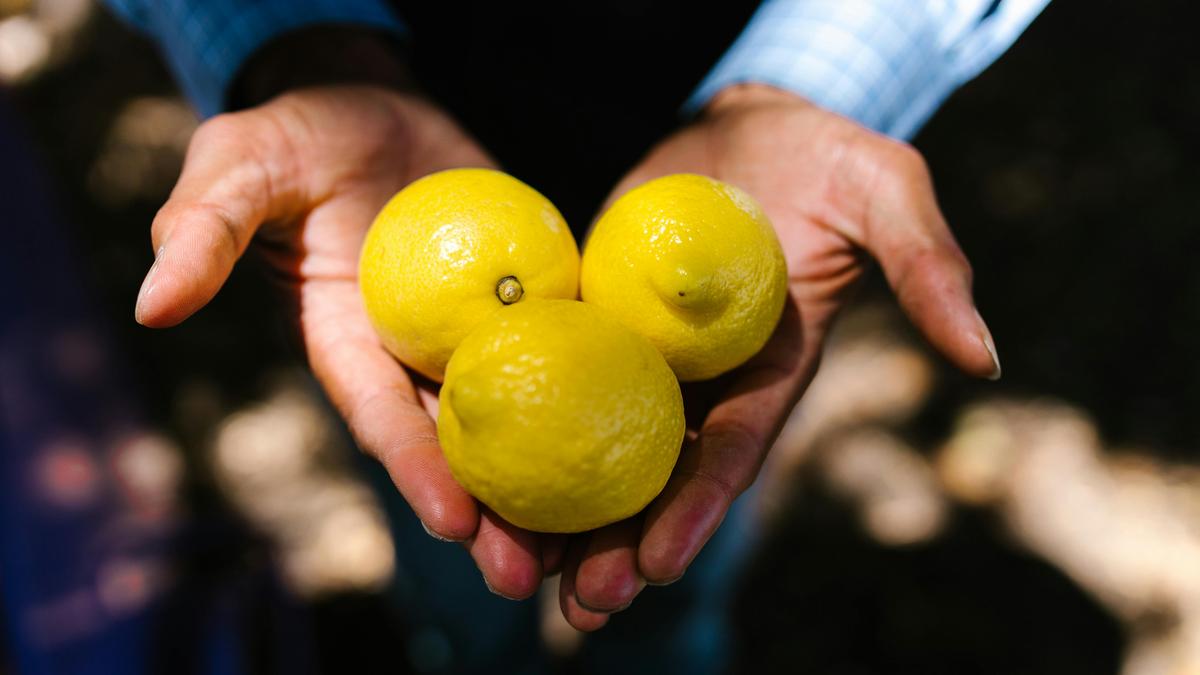
Lemons, the yellow, sour fruits we use today, come from a family of citrus fruits that started in Southeast Asia.
They're not a wild fruit but a mix of other citrus types.
Over time, people spread them around the world.
Arabs helped bring them to places like Spain and Italy.
In the Middle Ages, lemons were used for medicine.
Explorers took lemons on ships to prevent diseases like scurvy.
Today, lemons grow in many countries and are used in food, cleaning products, and for health reasons, containing Vitamin C and other helpful things.

Lemons are a hybrid citrus fruit, originating in Southeast Asia.
Arabs played a key role in spreading lemons throughout the Mediterranean.
Lemons were used for medicinal purposes in medieval Europe.
European explorers brought lemons to prevent scurvy during the Age of Exploration.
Today, lemons are grown globally and used in various applications.
- Who
- Lemons were cultivated and spread by Arabs, Europeans, and through global trade and exploration.
- What
- Lemons are a hybrid citrus fruit, originating in Southeast Asia, and are used in various applications globally.
- When
- Lemons were known in the Middle East and Mediterranean by the first century CE, and their popularity expanded over centuries.
- Where
- Lemons originated in Southeast Asia and spread through the Middle East, Mediterranean, and eventually worldwide.
- Why
- Lemons have been used for culinary, medicinal, and preservation purposes due to their properties.
- Origin
- Southeast Asia
- Hybridization
- Bitter orange and citron
- Spread by
- Trade, conquest, cultural exchange
- Medicinal use
- Treating indigestion and fevers
- Prevented
- Scurvy
- Major Producers
- India, Mexico, China, Argentina, USA