

Archive · 20 Sep 2026
Iran Challenges US Over Ground Troops Amid Ongoing War
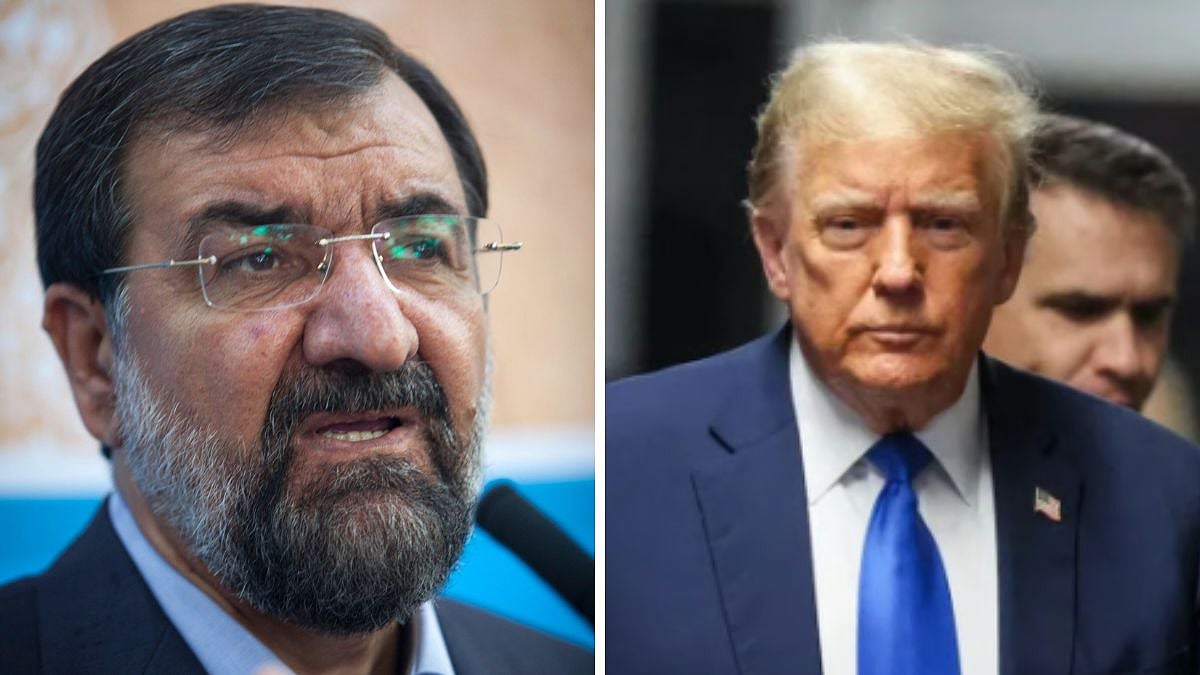
Iranian official Mohsen Rezaei challenged the United States to send soldiers into Iran.
He questioned why the United States was using air strikes instead of ground troops.
Rezaei said Iran had learned how to deal with attacks from the air.
He warned that Iran would respond more strongly if the United States attacked again.
A ground invasion of Iran would be very difficult because the country is large, mountainous and heavily populated.
The United States has not begun a large ground campaign, according to the article.
Iran and the United States are still exchanging threats.
At the same time, other countries are helping them communicate.
Iran has given conditions that it says could help end the conflict.

Mohsen Rezaei challenged the United States to deploy ground troops if it is confident in its military campaign.
Rezaei criticized Washington for relying mainly on air strikes and long-range attacks against Iranian targets.
He said Iran had adapted to US air attacks and would respond more strongly against American bases and regional interests.
Experts cited in the article said Iran’s mountainous terrain and large population would make a full-scale invasion difficult.
Iran has reportedly communicated conditions for ending the conflict, including an end to the war, unfreezing funds and lifting the naval blockade.
- Who
- Iranian Supreme National Security Council Secretary Mohsen Rezaei and the United States, led by President Donald Trump.
- What
- Rezaei challenged the United States over its refusal to deploy ground troops and warned of stronger Iranian retaliation against further attacks.
- When
- The remarks were made amid the ongoing conflict; the article also cites diplomatic comments from September 19 and appointments in March and August.
- Where
- The conflict involves Iran, US forces and American interests across the region; diplomatic messages were conveyed through Qatar.
- Why
- Rezaei argued that ground forces ultimately decide wars and questioned whether air strikes alone could achieve a decisive result.
Iran’s Challenge
US Military Approach
Use of ground forces
Iran’s Challenge
Mohsen Rezaei argued that the United States should send ground troops into Iran if it is confident in its campaign, saying ground forces have the final say in wars.
US Military Approach
The United States has avoided a large-scale ground campaign and has instead relied mainly on air strikes and other long-range capabilities.
Effectiveness of air strikes
Iran’s Challenge
Rezaei questioned whether bombing from the air could produce a decisive outcome and said Iran had adapted to such attacks.
US Military Approach
The article describes continued US air operations against Iranian targets, without stating that Washington has committed to a ground invasion.
Conflict resolution
Iran’s Challenge
Iran has warned of a decisive war if its demands are rejected while also seeking an end to the conflict through diplomatic contacts.
US Military Approach
The United States is considering or responding to diplomatic efforts, but the article does not specify Washington’s accepted terms.
- Iranian official
- Mohsen Rezaei, secretary of Iran’s Supreme National Security Council
- US military approach
- The United States has mainly relied on air power and long-range capabilities, according to the article.
- Iranian response
- Rezaei warned of stronger attacks against US bases and interests if Washington resumes strikes.
- Ground invasion challenge
- The article cites Iran’s mountainous geography and large population as major obstacles to a full-scale invasion.
- Diplomatic channel
- Iran reportedly communicated its conditions to Washington through Qatar.
- Iranian conditions
- A complete halt to the war, unfreezing Iranian funds and an end to the US naval blockade.
- Other diplomatic contacts
- Qatar and Pakistan have reportedly maintained contacts aimed at returning Iran and the United States to negotiations.