

Archive · 8 Jun 2025
Microplastics Found in Mussels of West Bengal: Study Reveals
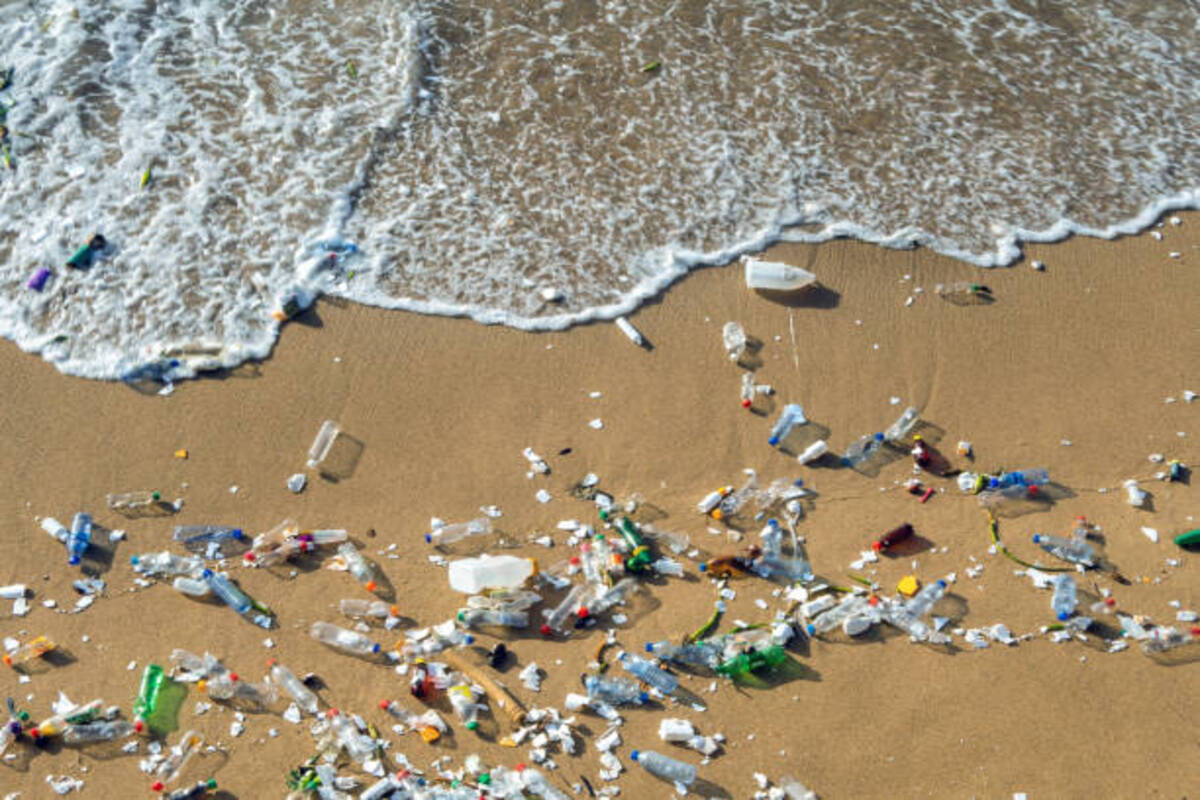
Imagine tiny bits of plastic getting into the water where mussels live.
These mussels, eaten by people, are like filters that collect these plastics.
A new study found lots of these microplastics inside the mussels in West Bengal.
The study looked at mussels from different markets and discovered that many contained plastic particles.
The scientists are worried because eating these mussels means people are also eating plastic.
This could lead to health issues and harm the environment since the mussels are important for keeping the water clean.
Scientists and environmentalists want people to know about this problem to help clean up the water.

A study revealed microplastic contamination in freshwater mussels in West Bengal.
Over 80% of mussel samples from key markets contained microplastic particles.
Mussels act as both a food source and water filters.
The study found an average of 3.76 microplastic particles per gram in the mussels’ gastrointestinal tract.
The research highlights environmental and potential human health risks.
- Who
- A multi-institutional research team led by Dr. Sujoy Midya conducted the study. Local communities are affected.
- What
- A study revealing widespread microplastic contamination in freshwater mussels in West Bengal.
- When
- Recently, the study's findings were published.
- Where
- Freshwater mussels in West Bengal, specifically in markets of Jhargram and other areas.
- Why
- To raise awareness of microplastic contamination in freshwater mussels and its potential health and environmental impacts.
- Study Lead
- Dr. Sujoy Midya
- Mussel Species
- Lamellidens marginalis
- Microplastic Content
- Average of 3.76 particles/gram in gastrointestinal tract and 1.48 particles/gram in edible muscle tissues
- Prevalent Microplastic Shape
- Fibers
- Affected Markets
- Gopiballavpur, Jhargram Town, Jamda, Nayagram, Lalgarh, and Belpahari