

1 week ago
Could Alexandria Ocasio-Cortez Break America’s Final Glass Ceiling?

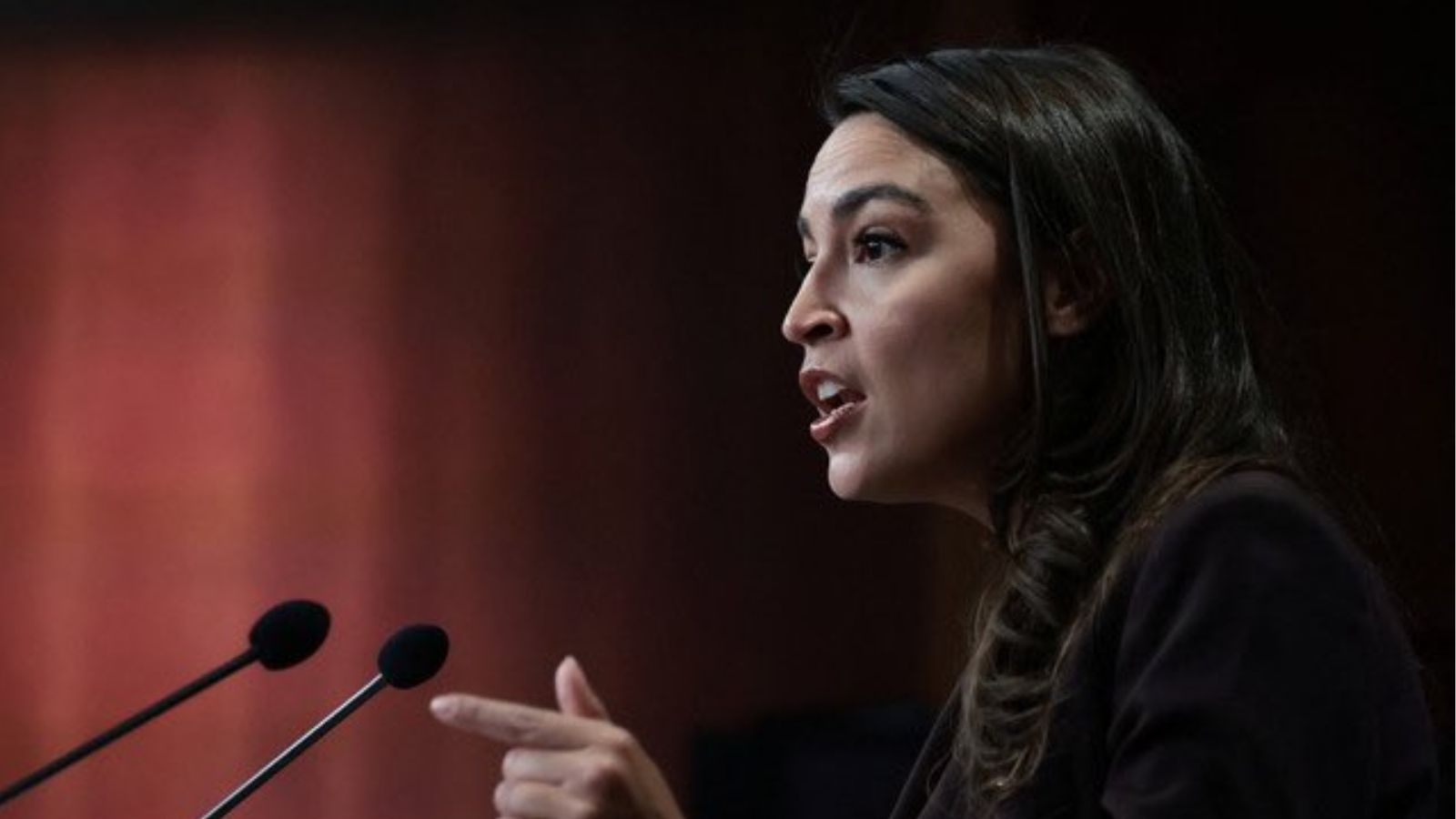
Alexandria Ocasio-Cortez, often called AOC, is being discussed as a possible presidential candidate for 2028.
The Constitution would allow her to run because she would be at least 35 years old and meets the stated residency requirement.
No woman has ever been elected president of the United States.
AOC could also become the first Latina president.
A poll showed her leading some possible Democratic primary candidates, but it is much too early to predict an election.
Her supporters like her progressive ideas and direct speaking style.
To win the presidency, she would need support from many people beyond her strongest progressive supporters.
She has not decided whether to run and is currently focused on the 2026 elections.

Alexandria Ocasio-Cortez is constitutionally eligible to run for president in 2028 and would be 39.
No woman has ever been elected president of the United States, although Hillary Clinton came close in 2016.
A July University of New Hampshire poll placed Ocasio-Cortez at 22 percent among likely Democratic primary voters.
Her main challenge would be expanding her progressive base into a national coalition of moderates, independents, older voters and battleground-state voters.
She has not committed to a presidential campaign, saying her immediate priorities are the 2026 midterms and building a political movement.
- Who
- Alexandria Ocasio-Cortez, Democratic primary voters, and potential 2028 presidential contenders including Pete Buttigieg.
- What
- Ocasio-Cortez is being considered as a possible 2028 Democratic presidential candidate who could become the first woman and first Latina president of the United States.
- Where
- The United States, including the national Democratic primary and the states that decide the Electoral College.
- When
- The speculation concerns the 2028 presidential election; Ocasio-Cortez is currently focused on the 2026 midterms.
- Why
- Her possible candidacy has gained attention because she is eligible to run, has early support in polling, and could challenge longstanding barriers facing women and progressive candidates.
Case for a Viable Candidacy
Barriers to Winning Nationally
Early political momentum
Case for a Viable Candidacy
A July poll placed Ocasio-Cortez at 22 percent among likely Democratic primary voters, narrowly ahead of Pete Buttigieg, suggesting she is a potential national contender.
Barriers to Winning Nationally
The article says the poll is far too early to be treated as a prediction, and she has not committed to running.
Communication and authenticity
Case for a Viable Candidacy
Supporters say she makes issues such as wages, housing, healthcare and climate change feel human and connects effectively with voters.
Barriers to Winning Nationally
Critics describe her communication style as theatre, and strong attention or celebrity does not necessarily translate into votes.
Broadening her coalition
Case for a Viable Candidacy
The article says recent reporting suggests she is becoming more pragmatic while remaining on the progressive left, which could help her broaden her appeal.
Barriers to Winning Nationally
She would need to win over moderates, independents, older voters, working-class Americans and voters beyond progressive urban districts without losing her core identity.
Key facts
- Potential election
- 2028 U.S. presidential election
- Age in 2028
- Ocasio-Cortez would be 39
- Constitutional eligibility
- The article says she meets the requirements of being a natural-born citizen, being at least 35, and having 14 years of U.S. residence.
- Early poll result
- A July University of New Hampshire poll gave her 22 percent among likely Democratic primary voters.
- Historical significance
- She could become the first woman and first Latina president of the United States.
- Current priority
- She has said her immediate focus is the 2026 midterms and building a political movement.
- Main political challenge
- Turning a progressive following into a broad national coalition capable of winning the Electoral College.
Sources
Related news

Ocasio-Cortez doesn't rule out 2028 presidential or Senate run
AOC gaining ground as potential 2028 US presidential contender

AOC Won't Rule Out 2028 White House Run

Usha Vance Addresses JD Vance’s Potential 2028 White House Bid

Democrats test messaging in blue wall states ahead of 2028

Progressive Abdul El-Sayed Wins Michigan U.S. Senate Primary

Mamdani’s Progressive Agenda Brings New York City Head-to-Head With Amazon
Moderate Crowley edges Hong in Wisconsin primary; Lindell loses Minnesota
