Archive · 4 Nov 2025
Supreme Court to Rule on Trump's Use of Tariffs in Crucial Trade Case
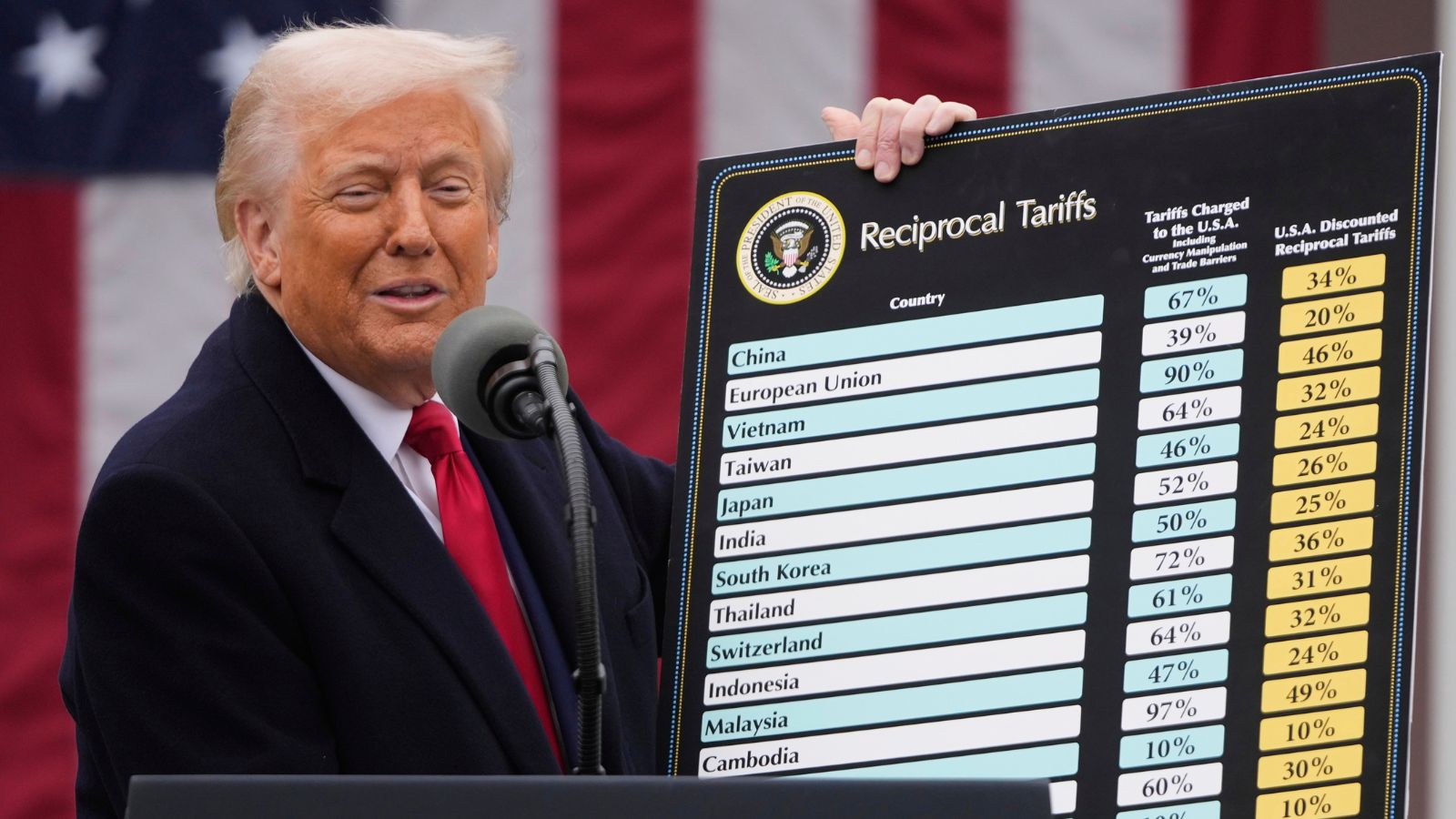
Imagine the President has a special rulebook, called IEEPA, that lets him do certain things in emergencies.
He has used this rulebook a lot to put extra taxes, called tariffs, on goods coming from other countries.
But, some people are saying he's using the rulebook too much for tariffs, and that only Congress, who makes the laws, should decide on taxes.
Three other courts have already agreed with these people.
Now, the highest court in the country, the Supreme Court, is listening to both sides.
They need to figure out if the President can use the emergency rulebook to put tariffs on his own, or if he needs Congress's permission.
If the Supreme Court says no, it could mean all those tariffs the President put on might have to be removed, and it could change how America does trade with other countries.
It's a big decision about who has the power to control trade.

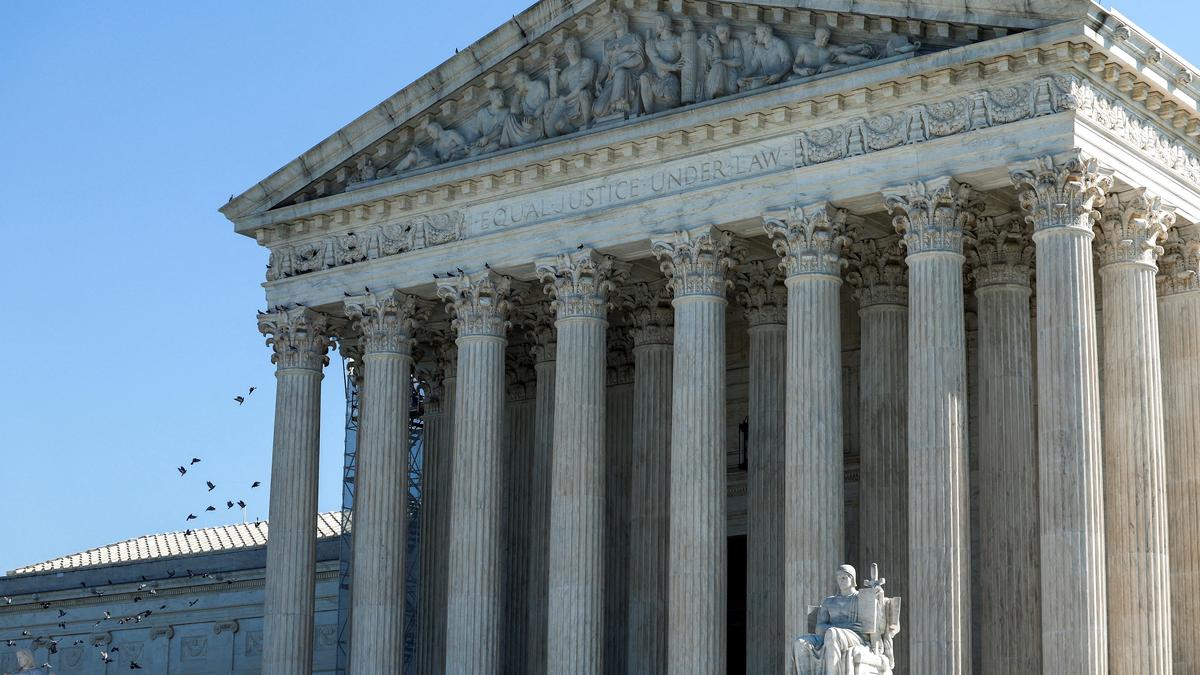
The US Supreme Court will hear arguments on November 5 regarding President Trump's use of tariffs under the International Emergency Economic Powers Act (IEEPA).
The core issue is whether a president can use IEEPA emergency powers to impose tariffs without explicit congressional approval.
Three lower courts have previously ruled against the Trump administration, stating that IEEPA does not grant the president authority to levy general tariffs.
A ruling against Trump could force the withdrawal of "Liberation Day" tariffs, impacting trade agreements with the EU, Japan, South Korea, and the UK, and disrupting talks with India.
The case also involves a jurisdictional question: whether the case should be heard in a federal district court or the Court of International Trade.
- Who
- The US Supreme Court, President Donald Trump's administration, petitioners (Learning Resources, Inc.), and potentially global trade partners.
- What
- The Supreme Court is hearing arguments in a case that will determine if a US president can use emergency powers under the International Emergency Economic Powers Act (IEEPA) to impose tariffs without congressional approval.
- When
- Oral arguments are scheduled for November 5, with the article published on November 3, 2025.
- Where
- US Supreme Court, Washington.
- Why
- To decide whether the President has exceeded his authority by using IEEPA for tariffs, which could redefine presidential power over trade and impact global economic relations and trade agreements.
Petitioners / Challengers
Trump Administration / Government
Presidential Authority to Impose Tariffs via IEEPA
Petitioners / Challengers
The International Emergency Economic Powers Act (IEEPA) does not grant the President the authority to set general tariffs; this power is reserved for Congress. The President has exceeded his constitutional bounds by using IEEPA for routine trade matters.
Trump Administration / Government
The President has lawfully used IEEPA to address economic emergencies, safeguard national security, and negotiate favorable trade deals. Tariffs are a necessary tool for leverage in international relations.
Jurisdiction of the Case
Petitioners / Challengers
The case's core challenge is under IEEPA itself, not directly under a law 'providing for tariffs,' therefore it belongs in a federal district court, not the Court of International Trade.
Trump Administration / Government
Because the case directly challenges the imposition of tariffs, it falls under the jurisdiction of the Court of International Trade.
Interpretation of 'Regulation of Importation'
Petitioners / Challengers
The language in IEEPA permitting regulation of 'importation or exportation' does not extend to the power to set customs duties, which is a distinct legislative power held by Congress.
Trump Administration / Government
The government implicitly argues that the President's power to regulate importation under IEEPA encompasses the authority to impose tariffs as a means of regulation, especially during perceived economic emergencies.
- Case Name
- Learning Resources Vs Trump
- Law in Question
- International Emergency Economic Powers Act (IEEPA), 1977
- Date of Oral Arguments
- November 5
- Date of Publication
- November 3, 2025
- Lower Court Rulings
- Three lower courts ruled against the Trump administration, finding IEEPA does not authorize general tariffs and that the President exceeded his authority.
- Key Legal Questions
- Jurisdiction (federal district court vs. Court of International Trade) and whether IEEPA permits the President to impose tariffs.
- Petitioners' Argument
- Claims fall under IEEPA, not tariff law, so should be in district court; IEEPA's 'regulation of importation' does not include setting customs duties; use of tariffs upsets constitutional balance of powers.
- Government's Argument
- Case challenges tariff schedule, thus properly falls under the Court of International Trade's jurisdiction.
Sources
Tariffs are Trump’s favorite foreign policy tool. The Supreme Court could change how he uses them
US Supreme Court hearing on Trump reciprocal tariffs may impact India trade talks - Telegraph India
Supreme Court May Redefine Trump's Favourite Foreign Policy Tool - Tariffs