Archive · 9 Aug 2025
Books Document Atomic Bombings 80 Years Later
In 1945, the U.S. dropped atomic bombs on Hiroshima and Nagasaki, causing massive destruction and many deaths.
These events are remembered and understood through books.
Books like 'Hiroshima' by John Hersey showed what really happened and what the impact was.
Other books, like 'The Making of the Atomic Bomb,' explain how the bombs were made.
Some books discuss if the bombings were really needed.
These books are meant to help people remember and to make sure this never happens again.

Atomic bombs devastated Hiroshima and Nagasaki in August 1945, leading to Japan's surrender.
Books, like John Hersey's 'Hiroshima,' revealed the bombings' true human cost and aftermath.
Richard Rhodes' 'The Making of the Atomic Bomb' details the bomb's development.
Historians debate the necessity of the bombings, citing strategic and ethical considerations.
Books aim to ensure the events of Hiroshima and Nagasaki are remembered to prevent recurrence.
- Who
- The victims of the bombings, survivors, authors, historians, and those involved in the creation and use of the bombs.
- What
- The impact of the Hiroshima and Nagasaki bombings, as explored in various books.
- When
- August 6 and 9, 1945, and the decades since.
- Where
- Hiroshima and Nagasaki, Japan.
- Why
- To document the events, understand the impact, and prevent future tragedies.
Necessity of Bombings
Ethical considerations
Military Strategy
Necessity of Bombings
Some historical accounts suggest the bombings were necessary to end the war quickly.
Ethical considerations
Other analyses question the strategic necessity of the bombings.
- Bombing Dates
- August 6 and 9, 1945
- Bombing Locations
- Hiroshima and Nagasaki, Japan
- Author of 'Hiroshima'
- John Hersey
- Author of 'The Making of the Atomic Bomb'
- Richard Rhodes
- Book Based on
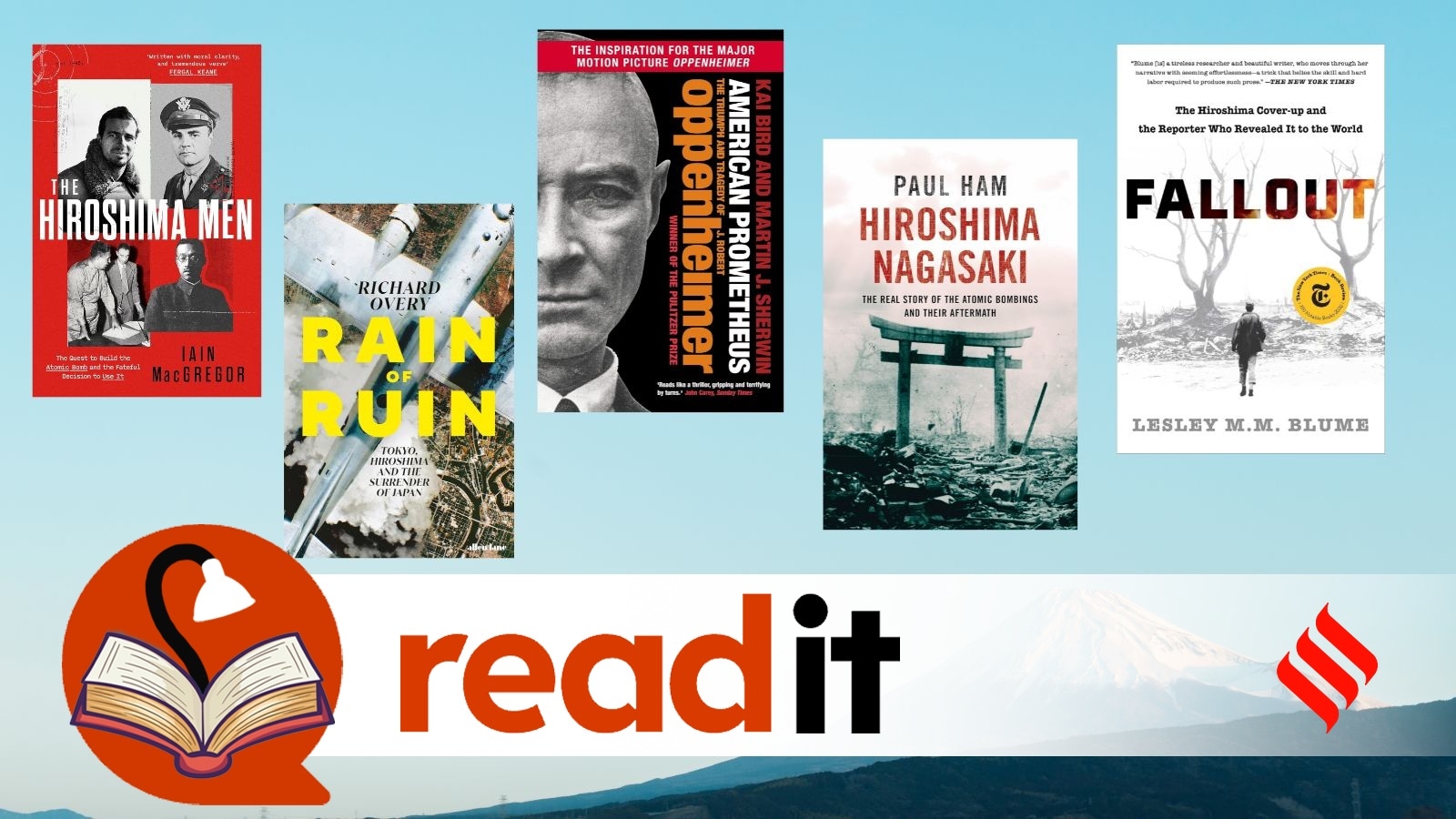
- American Prometheus: The Triumph and Tragedy of J Robert Oppenheimer