

Archive · 19 Jan 2026
UK Bans Junk Food Ads: Should India Follow?
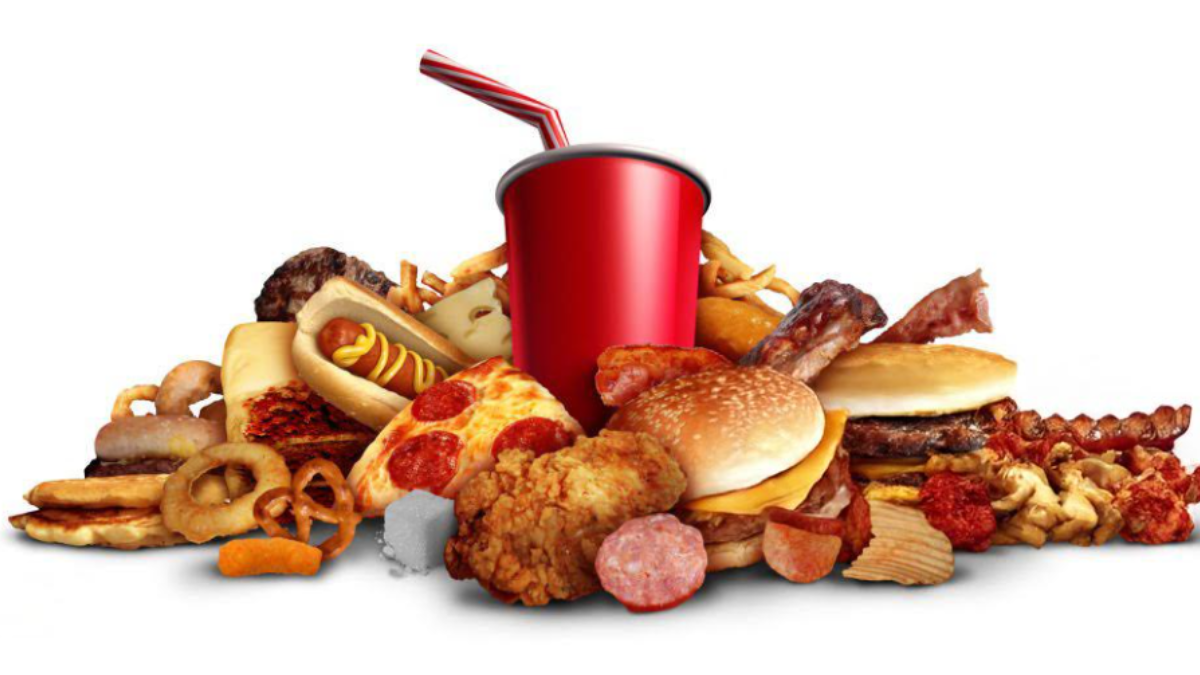
The UK has recently banned ads for unhealthy foods like pizza and sugary drinks on TV and online before 9 PM.
This is to help kids eat healthier and fight obesity.
In India, experts are discussing if similar rules should be made.
India spends a lot on ads for these foods, and some companies have already stopped advertising to kids.
But a complete ban could be hard and might hurt businesses.
Experts suggest better food labels and clearer rules to help people make healthier choices.

UK bans junk food ads on digital, social media, and TV before 9 PM to combat childhood obesity.
India's food and beverage advertising spend is significant, with major advertisers like Mondelez and Coca-Cola.
Experts suggest India should consider similar advertising curbs and stronger food policies to address childhood obesity.
Current advertising frameworks in India include guidelines for truthful claims and responsible advertising.
A complete ban in India could have economic repercussions and requires careful implementation.
- Who
- UK government, Indian food and beverage advertisers, regulatory bodies, and experts
- What
- UK's ban on junk food advertising and debate on similar measures in India
- When
- UK ban introduced this month, potential future implementation in India
- Where
- UK and India
- Why
- To tackle childhood obesity and promote healthier food choices
- UK Ban Scope
- Digital, social media, and TV before 9 PM
- Affected Products
- 13 categories including pizza, sugary drinks, chocolates, and cereals
- India's Ad Spend
- 10,000 crore in CY24, one-third of FMCG ad spends
- Major Advertisers in India
- Mondelez, Coca-Cola, PepsiCo India
- Projected Overweight Children in India
- 27 million by 2030
- HUL's Commitment
- Stopped advertising to children under 16 in January 2023
- Potential Economic Impact
- Substantial financial losses for media and marketing businesses