

Archive · 27 Sep 2025
Sabudana: From Tapioca Roots to Fasting Staple
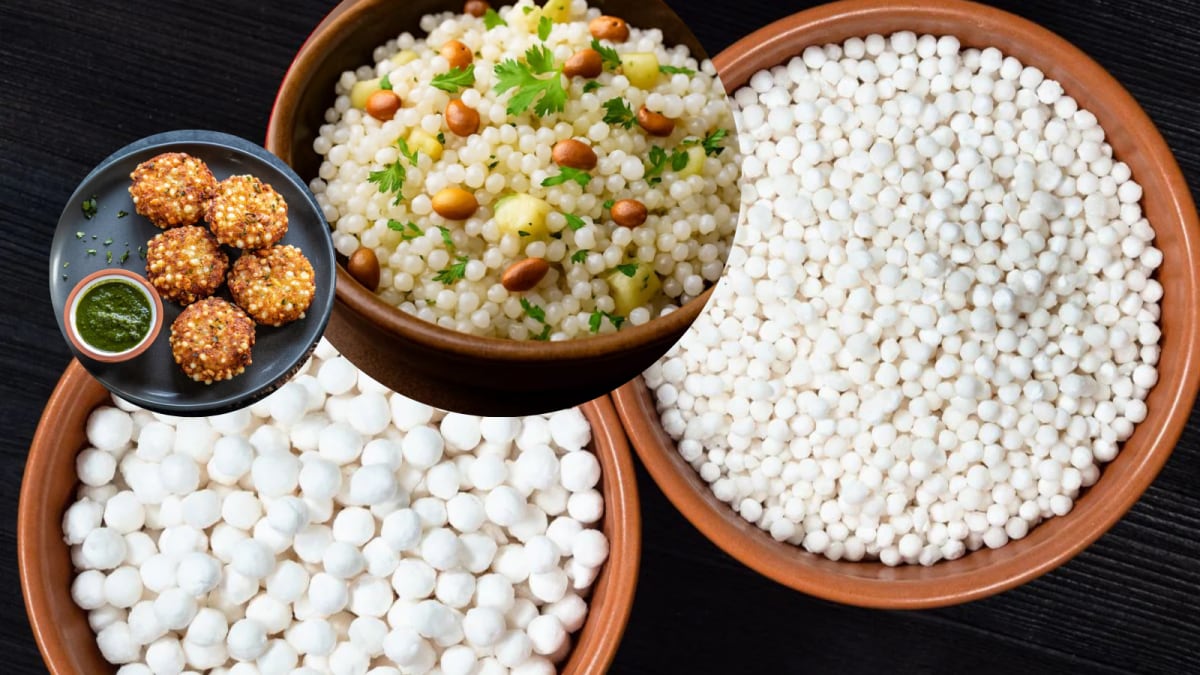
Sabudana, often eaten during fasts, is not a grain, but starch from tapioca root.
It comes from South America and is processed into small, pearl-like balls.
The process includes washing, grinding, and shaping the starch.
Rich in carbs, sabudana provides energy, making it ideal for fasting.
It was introduced to India and played a vital role during famines in the past.
It is now a common part of many Indian dishes.

Sabudana is a starch extracted from tapioca root, not a grain.
The tapioca root originates from South and Latin America.
Production in India started around 1943-44 in Salem, Tamil Nadu.
Sabudana is a popular food during religious fasts due to its high carbohydrate content.
Tapioca helped to prevent starvation in the past.
- Who
- Sabudana, a food made from tapioca root starch.
- What
- The origin, processing, and use of sabudana, a popular food.
- When
- Sabudana production in India began around 1943-44.
- Where
- Primarily produced in Salem, Tamil Nadu, India.
- Why
- Sabudana is a popular fasting food due to its energy-rich composition.
Tapioca in Diet
Sweet vs. Bitter Tapioca
Importance of Tapioca
Tapioca in Diet
Tapioca, main ingredient for sabudana, is an integral part of the diet, especially during fasting.
Sweet vs. Bitter Tapioca
There are two types of tapioca, with sweet tapioca being safe for consumption, and bitter tapioca containing hydrocyanic acid.
- Main Ingredient
- Tapioca root (cassava)
- Origin of Tapioca
- South and Latin America
- First Cultivated in India
- Kerala
- Primary Use
- Fasting food
- Production Hub (India)
- Salem, Tamil Nadu
- Calories (per 100g)
- Approximately 350
