Archive · 17 Sep 2025
India's Import Substitution Strategy Faces Scrutiny
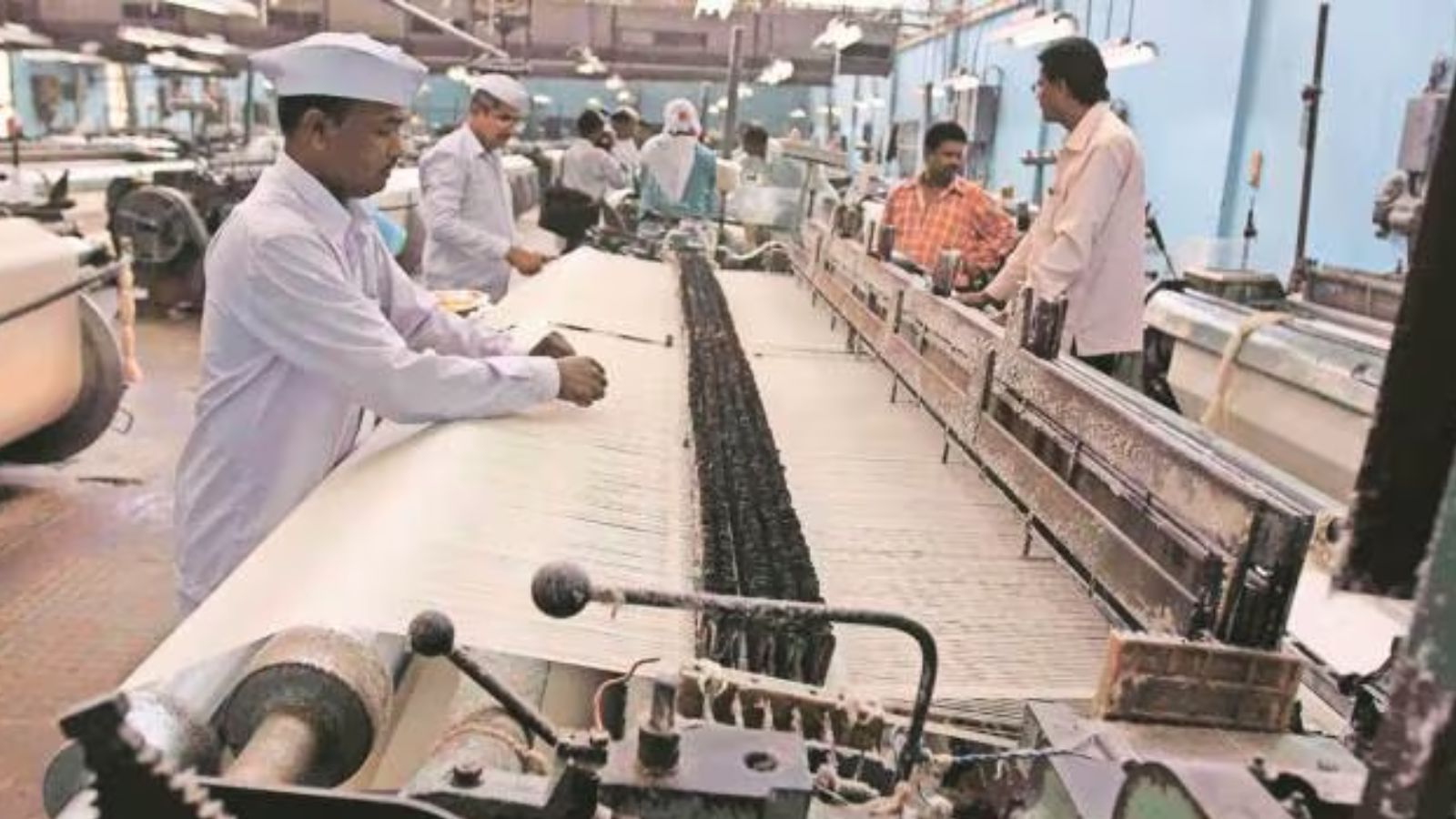
The Indian government is trying to make more things in India instead of importing them, starting with 100 specific products.
The idea is to protect against problems in getting supplies from other countries, save money, and boost local businesses.
But some people are questioning if this is the best way to do it.
They worry it might be too limited, and that some companies might try to get special treatment.
Also, the government is checking products labeled 'Made in India' to make sure they're really made here, with at least half the value added in India.

The government aims to reduce import dependence on 100 specific products.
The Commerce & Industry Ministry is examining raw materials, intermediates, and finished goods.
Concerns raised about limiting the scope to only 100 products.
Risk of lobbying influencing the selection of products for import substitution.
BIS will conduct checks on products with the 'Made in India' label.
- Who
- Commerce & Industry Ministry, BIS
- What
- Government's plan to reduce import dependency on 100 products
- When
- Recently
- Where
- India
- Why
- Reduce supply chain vulnerability, conserve foreign exchange, and encourage local manufacturing
Concerns
Government Stance
Product Selection
Concerns
Limiting to 100 products is arbitrary.
Government Stance
To encourage local manufacturing and reduce import dependency.
Risk of Lobbying
Concerns
Industry lobbies may distort the policy.
Government Stance
To boost consumer safety and local business growth.
- Focus
- Import substitution of 100 specific products
- Government Agencies
- Commerce & Industry Ministry; Consumer Affairs Dept.; BIS
- Products Targeted
- Raw materials, intermediates, and finished goods
- Local Content Requirement
- Minimum 50% value addition in India for 'Made in India' label
- Ministry Official
- Commerce & Industry Secretary Sunil Barthwal