

Archive · 25 Sep 2026
Bangladesh Faces Growing Crisis of Juvenile Violence and Crime
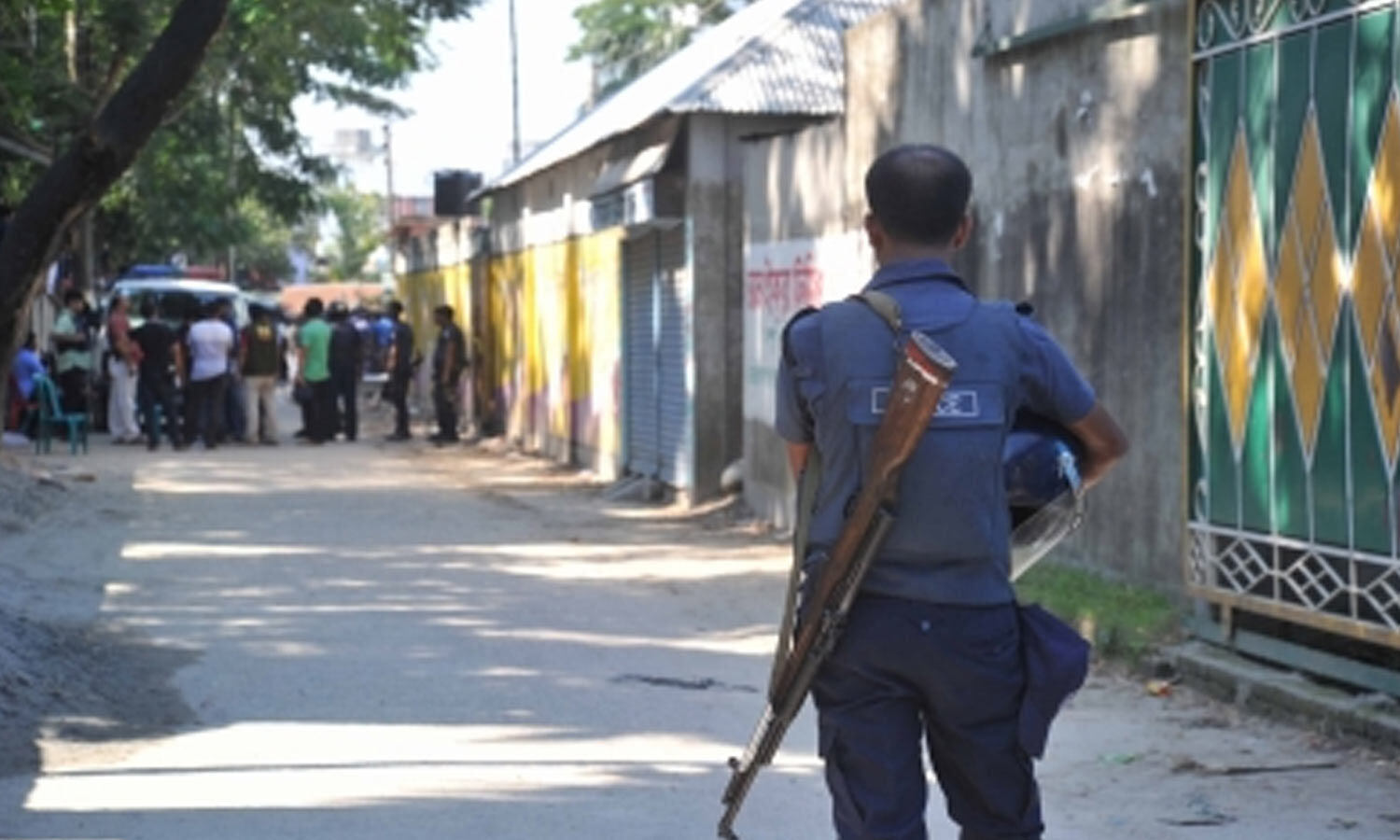
Bangladesh is worried about more violence involving children and teenagers.
The murder of 13-year-old Ishayat Shahriar Apratim has brought fresh attention to the problem.
Experts say children may be affected by poverty, unemployment, dropping out of school and child labour.
Some teenagers are also joining groups that encourage aggressive or criminal behavior.
Social media can make violence seem attractive when young people want attention or to look cool.
Experts say families, schools and communities should notice problems early and support vulnerable children.
They also say the government must provide safe places, education and better opportunities.
Juvenile justice should focus on helping children change instead of only punishing them.

The murder of 13-year-old Ishayat Shahriar Apratim in Cumilla has renewed concern about violence against children.
Experts link juvenile crime to poverty, unemployment, school dropouts, child labour, child marriage and limited recreational spaces.
Adolescent gang culture is reportedly being reinforced by social media platforms including TikTok, Facebook, Instagram and YouTube.
Experts say families, schools, communities, law-enforcement agencies and the government must coordinate to prevent serious youth crime.
A researcher warned that inadequate juvenile detention facilities and weak rehabilitation could push more children into the criminal justice system.
- Who
- Children and adolescents in Bangladesh, along with families, schools, communities, law-enforcement agencies and the state, are at the center of the issue.
- What
- The murder of 13-year-old Ishayat Shahriar Apratim has highlighted wider concerns about juvenile violence, adolescent gangs and weaknesses in child protection and juvenile justice.
- When
- The concerns were raised following the recent murder of Ishayat Shahriar Apratim.
- Where
- The reported murder occurred in Cumilla district, while the broader concerns apply across Bangladesh.
- Why
- Experts cite poverty, unemployment, school dropouts, child labour, child marriage, social-media influences, weak intervention and inadequate rehabilitation facilities as contributing factors.
- Victim
- Ishayat Shahriar Apratim, 13
- Incident location
- Cumilla district, Bangladesh
- Main concern
- Growing violence involving children and adolescents
- Identified social factors
- Poverty, unemployment, school dropouts, child labour and child marriage
- Reported online influence
- TikTok, Facebook, Instagram and YouTube may help normalize aggression or encourage attention-seeking violence
- Proposed response
- Coordination among families, schools, communities, law enforcement and the state
- Juvenile justice concern
- Bangladesh reportedly lacks adequate juvenile detention facilities and sufficient emphasis on rehabilitation