2 days ago
India’s Co-operative Banks Can Professionalise Without Losing Their Spirit

Co-operative banks help small businesses, workers and local communities obtain banking services.
These banks are trying to improve how they work and manage risks.
However, modern technology, cybersecurity and regulatory rules are expensive.
Smaller banks may not be able to hire every specialist on their own.
NUCFDC is an organisation that can provide shared banking technology and other services.
The article suggests that it could also provide panels of experts to many banks.
Experienced elected directors still understand local borrowers and community needs.
The goal is to make co-operative banks stronger without losing their community-focused purpose.

India’s co-operative banks are improving governance, systems and financial discipline while serving local communities.
Rising technology, compliance, cybersecurity and staffing costs strain smaller co-operative banks.
The National Urban Cooperative Finance and Development Corporation offers shared technology, training and operational services.
NUCFDC could create expert panels covering cybersecurity, risk, legal compliance, treasury and human resources.
The article argues that professional expertise should complement, not replace, experienced elected co-operative directors.
- Who
- India’s urban and other co-operative banks, the government, the Reserve Bank of India and NUCFDC.
- What
- The sector is being urged to professionalise through shared expertise and services while retaining experienced co-operative leadership.
- Where
- India.
- When
- During the co-operative banking sector’s ongoing transformation.
- Why
- To improve governance, risk management, transparency, technology and financial discipline without imposing unsustainable costs on smaller banks or weakening their community connection.
Professionalisation and specialist expertise
Co-operative experience and community connection
How banks should strengthen management
Professionalisation and specialist expertise
The government and Reserve Bank of India seek stronger governance, risk management, transparency, technology and professional expertise.
Co-operative experience and community connection
Professionalisation should not treat elected directors as incapable solely because they lack formal professional qualifications.
How smaller banks should afford expertise
Professionalisation and specialist expertise
Banks need access to specialists in areas such as cybersecurity, compliance, information technology, treasury and risk management.
Co-operative experience and community connection
Requiring every smaller bank to hire multiple expensive specialists could consume a substantial share of its profits; shared NUCFDC services could reduce that burden.
Role of elected directors
Professionalisation and specialist expertise
Professional managers and qualified specialists can address increasingly complex regulatory, technological and operational requirements.
Co-operative experience and community connection
Directors with 15 or 20 years of experience may understand local businesses, borrowers, recovery challenges and member expectations better than outside professionals.
Key facts
- Umbrella organisation
- The National Urban Cooperative Finance and Development Corporation was established for urban co-operative banks with support from the Ministry of Cooperation and the Reserve Bank of India.
- Current services
- NUCFDC provides shared IT infrastructure, operational support, technology, training, consultancy, and fund-based and non-fund-based services.
- Bank in a Box
- Its concept offers core banking, digital payments, cloud, cybersecurity and compliance services on an affordable shared-cost basis.
- Proposed expert support
- NUCFDC could maintain panels of specialists in cybersecurity, information technology, treasury, legal compliance, risk management and human resources.
- Illustrative bank
- A co-operative bank with more than 30 branches and ₹5 crore in profit could see a significant share of earnings consumed by multiple highly paid professionals.
- Governance principle
- The article recommends combining specialised professional expertise with directors’ practical knowledge of borrowers, recovery and local economic conditions.
Sources
Related news

Amit Shah announces NUCFDC headquarters shift from Delhi to Mumbai

RBI Calls for Stronger Governance in Cooperative Banks
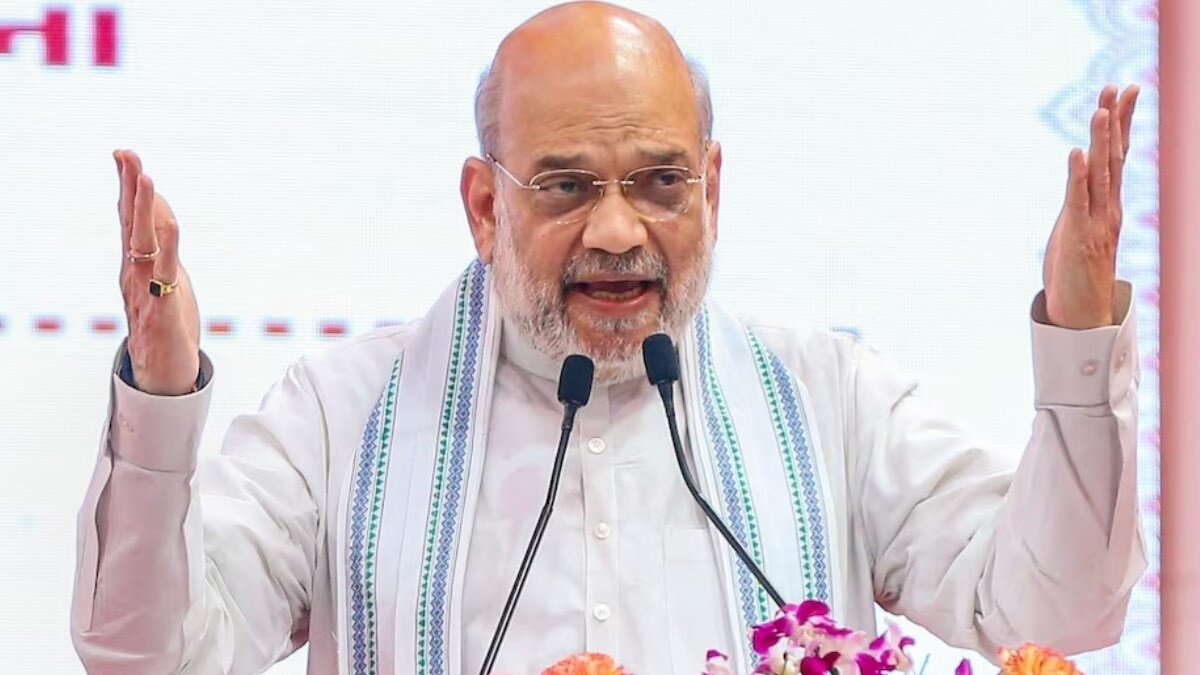
Shah urges cooperative banks to be transparent and modernise

Shah urges urban cooperative banks to see RBI differently

Lok Sabha passes NCDC Amendment Bill 2026 to boost cooperatives

Parliament passes NCDC Amendment Bill to boost cooperative sector

Kanda Express Delivers Onions to Delhi as Prices Rise

Bharat Taxi Puts Indian Drivers at the Wheel of Ownership