

Archive · 4 Aug 2025
Congress and OBCs: A History of Missed Opportunities
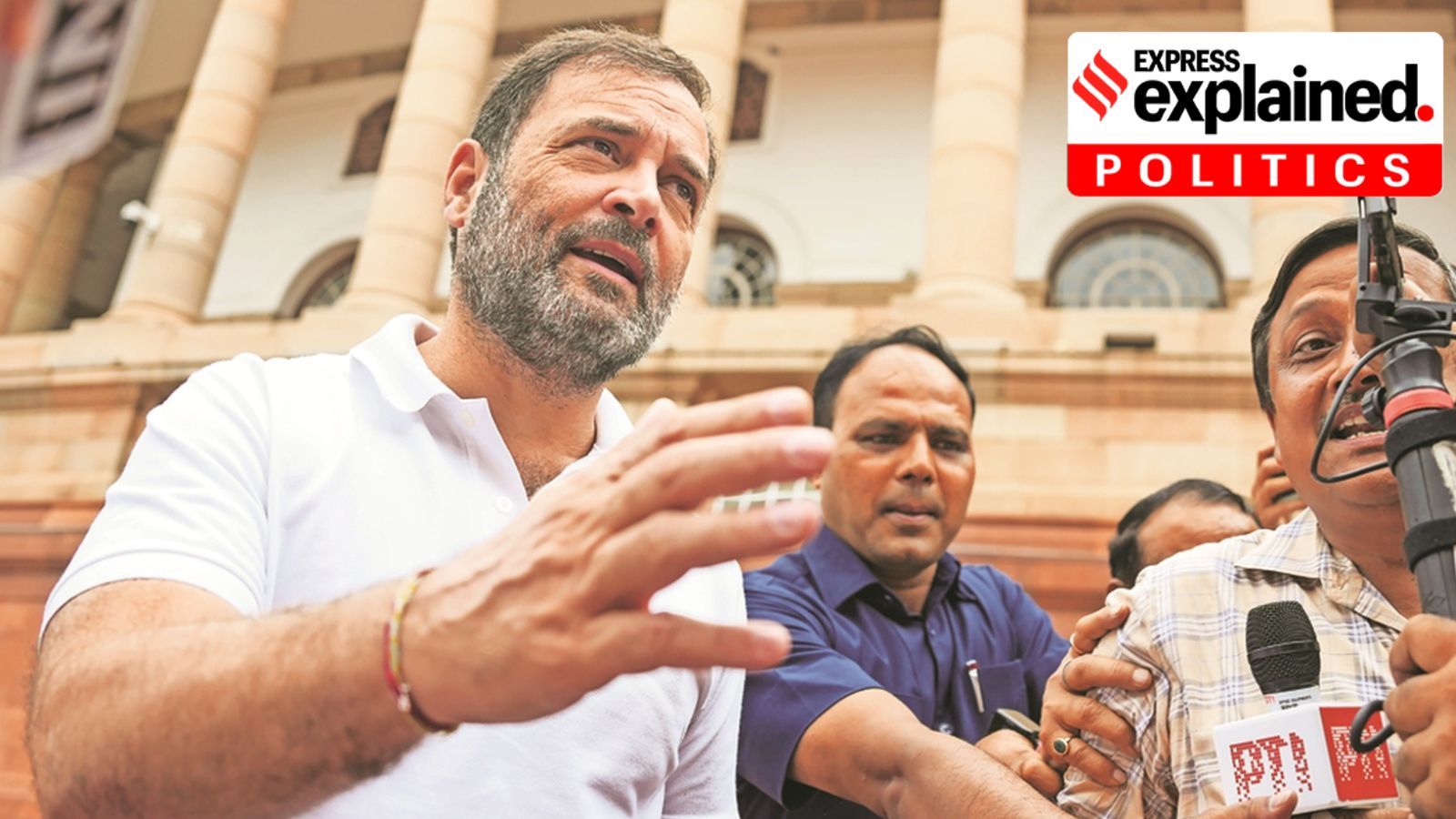
Rahul Gandhi said his party, Congress, didn't understand or help the OBC groups (like lower castes) as much as they should have.
This opened the door for the BJP party to gain support from these groups.
Congress missed chances to help OBCs and didn't take credit for some of the good things they did.
Even when they did try to help, like with job reservations, they didn't get any boost.
This is why Congress is now working to fix its relations with these groups.

Rahul Gandhi acknowledged Congress's shortcomings with OBCs, which aided BJP's rise.
Congress missed opportunities to connect with OBCs and take credit for beneficial policies.
The Kalelkar Commission report in 1955, suggesting OBC upliftment, was never implemented by Nehru's government.
The Mandal Commission report, recommending OBC quotas, was implemented by VP Singh in 1990, hurting Congress.
Congress implemented OBC reservation in education in 2006, but gained little political ground.
- Who
- Congress, OBCs, BJP, and key political figures like Rahul Gandhi, Nehru, and VP Singh.
- What
- Congress's evolving relationship with OBCs and missed opportunities to gain political support.
- When
- Since Independence, with key events in the 1950s, 1970s, 1990s, and 2000s.
- Where
- India
- Why
- To understand how Congress's actions impacted its political standing and how it contributed to the rise of BJP.
Congress's Perspective
BJP's Perspective
Recognition of Shortcomings
Congress's Perspective
Admitting they 'fell short' in understanding OBC issues and aspirations.
BJP's Perspective
The opposing side is not explicitly defined in the article.
- Kalelkar Commission Report
- 1955
- Mandal Commission Report
- 1980
- OBC Reservation in Education
- 2006
- Rahul Gandhi's Statement
- July 24
