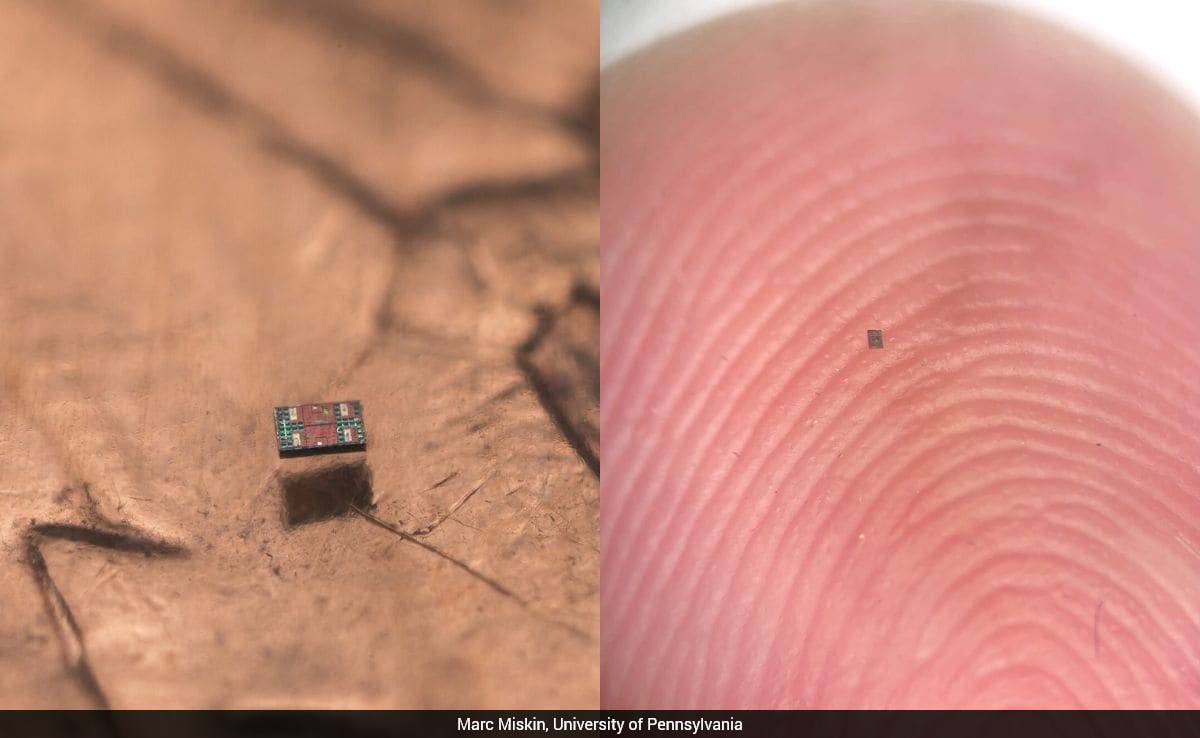
Archive · 16 Dec 2025
World’s smallest autonomous robots developed by scientists
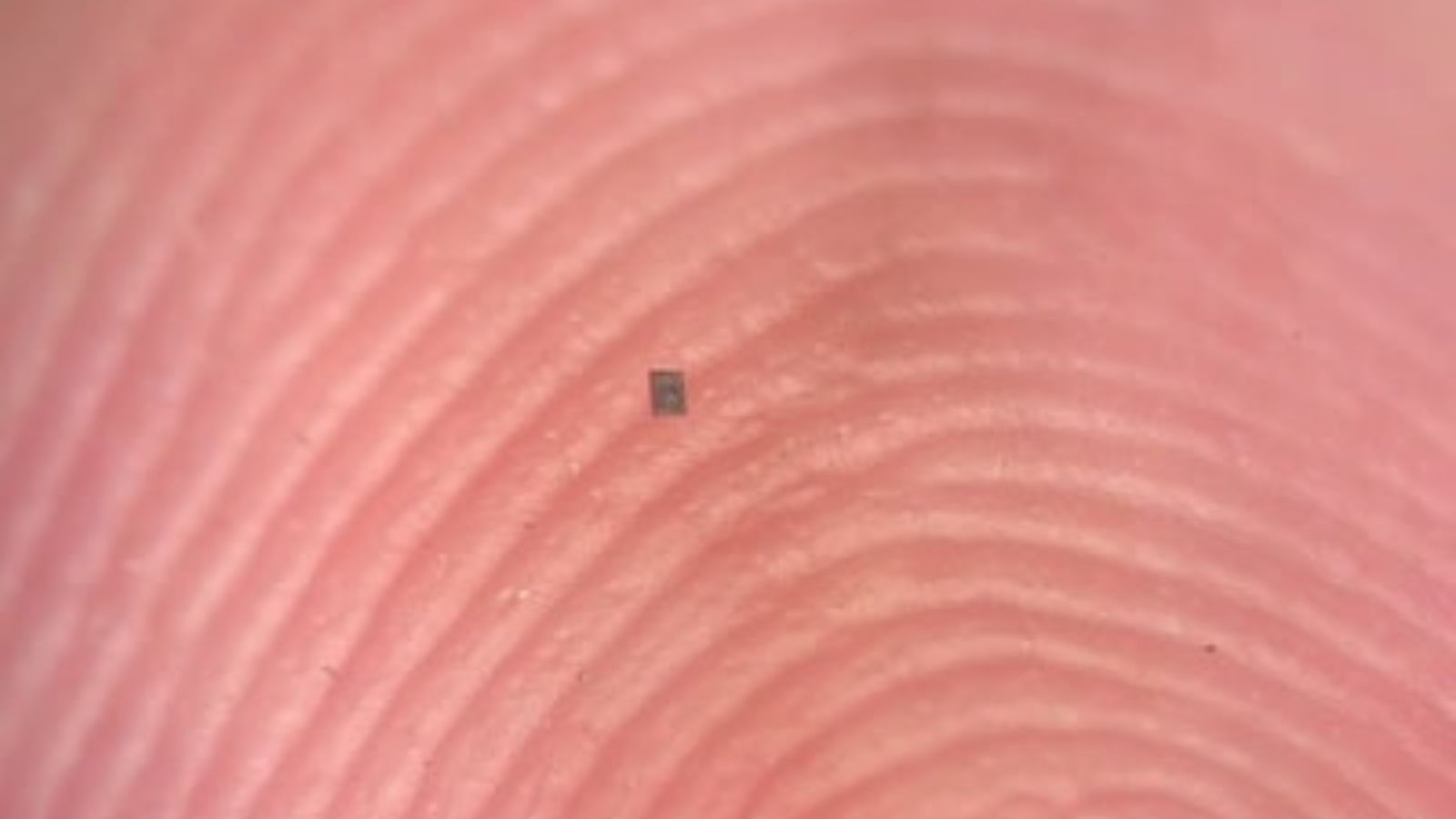
Scientists have created the world's smallest robots that can move and think on their own.
These tiny robots are so small that you can barely see them with your eyes.
They can swim, sense their surroundings, and even work together like a school of fish.
The robots were made by combining two big ideas: one for making them move, and another for giving them a tiny brain.
Each robot costs about one penny, and they can work for months without stopping.
This is a big step forward in making very small robots that can do useful things.

Researchers at the University of Pennsylvania and the University of Michigan have developed the world’s smallest fully programmable, autonomous robots.
Each robot measures around 0.2 by 0.3 by 0.05 mm, making them barely visible to the naked eye.
The robots can sense their surroundings, move in complex patterns, and operate independently for months.
The propulsion system was developed at the University of Pennsylvania, while the ultra-low-power 'brain' was created at the University of Michigan.
The robots can swim through liquid environments, respond to temperature changes, and coordinate their movements in groups.
- Who
- Researchers at the University of Pennsylvania and the University of Michigan
- What
- Developed the world’s smallest fully programmable, autonomous robots
- When
- Recently unveiled (exact date not specified)
- Where
- University of Pennsylvania and University of Michigan
- Why
- To advance microscale robotics and enable new applications in various fields
- Size
- 0.2 by 0.3 by 0.05 mm
- Cost
- Roughly one penny per unit
- Institutions Involved
- University of Pennsylvania, University of Michigan
- Capabilities
- Sense surroundings, move in complex patterns, operate independently for months
- Propulsion System
- Developed at the University of Pennsylvania
- Brain Technology
- Developed at the University of Michigan