

11 months ago
Nuclear Non-Proliferation Treaty: Explained and the Countries That Did Not Sign
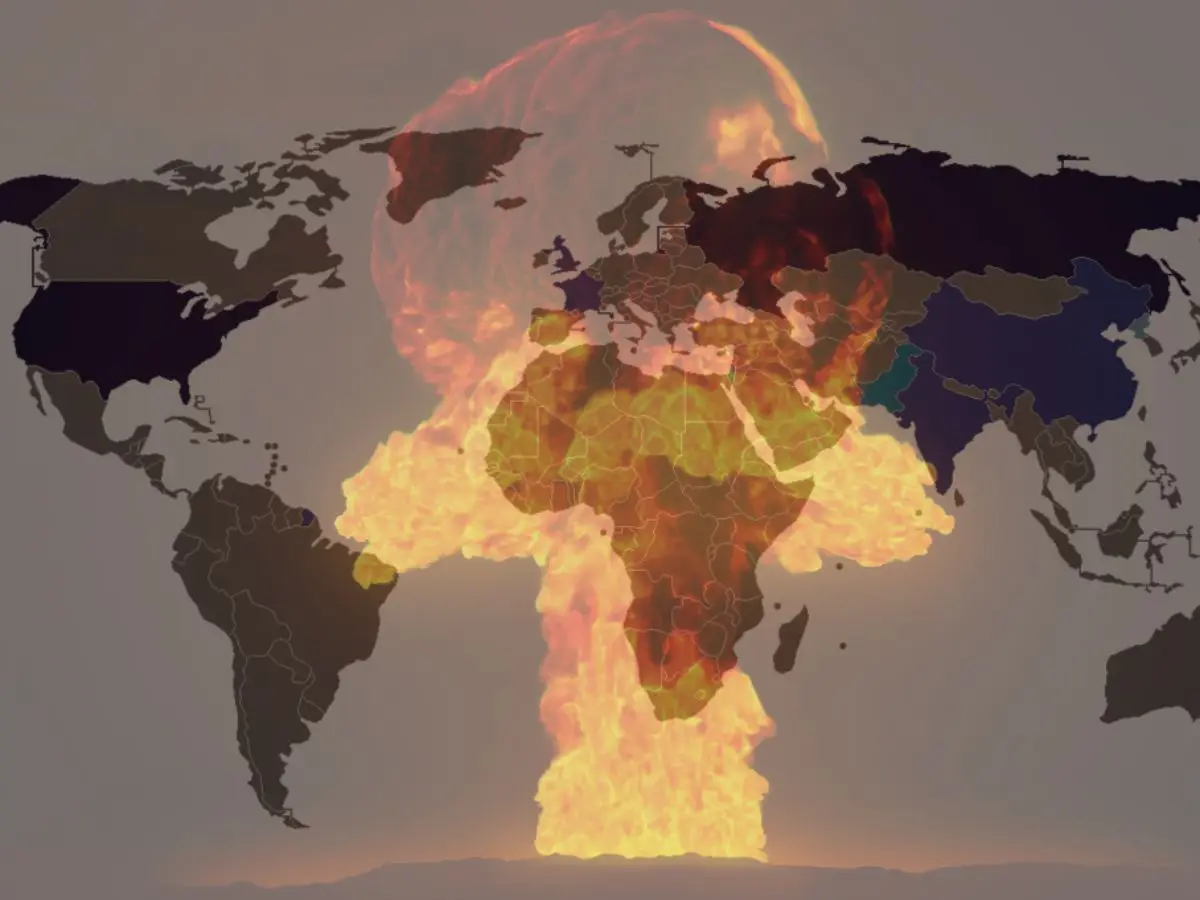
Imagine a club with rules about dangerous toys, like nuclear weapons.
The NPT is like that club, with most countries agreeing not to build these toys.
It also helps countries use nuclear energy safely.
Some countries like India, Israel, and Pakistan have never joined, often because they feel unsafe without their own toys.
North Korea was in the club but left and built its own toys.
This treaty tries to make the world safer, but it’s a complicated issue.

The Treaty on the Non-Proliferation of Nuclear Weapons (NPT) is a global agreement to prevent the spread of nuclear weapons.
The NPT has three main goals: prevent proliferation, promote peaceful nuclear energy, and pursue disarmament.
India, Israel, Pakistan, and North Korea have not signed the NPT.
These countries cite security concerns and other reasons for not joining.
North Korea withdrew from the NPT and conducted nuclear tests.
- Who
- The Treaty on the Non-Proliferation of Nuclear Weapons (NPT), India, Israel, Pakistan, and North Korea
- What
- The NPT aims to prevent the spread of nuclear weapons and promote disarmament.
- Where
- Globally
- When
- Adopted in 1970
- Why
- To prevent nuclear weapons and promote peace and international security.
Key facts
- Treaty Name
- Treaty on the Non-Proliferation of Nuclear Weapons (NPT)
- Year Adopted
- 1970
- Main Goals
- Prevent proliferation, promote peaceful uses of nuclear energy, advance nuclear disarmament
- Number of Parties
- 191
- Countries That Never Signed
- India, Israel, Pakistan, North Korea
Sources
Related news

Report Says Pakistan Nuclear Programme Prioritises Warheads Over Energy Needs
Iran Security Chief Says Trump Created Nuclear Insecurity, Not Security

Iran Warns Neighbors as Trump Escalates Economic Pressure

Nuclear Arms Control Faces Challenges in 2026
