

Archive · 5 Jan 2026
Mandana: Preserving India's Vanishing Folk Art
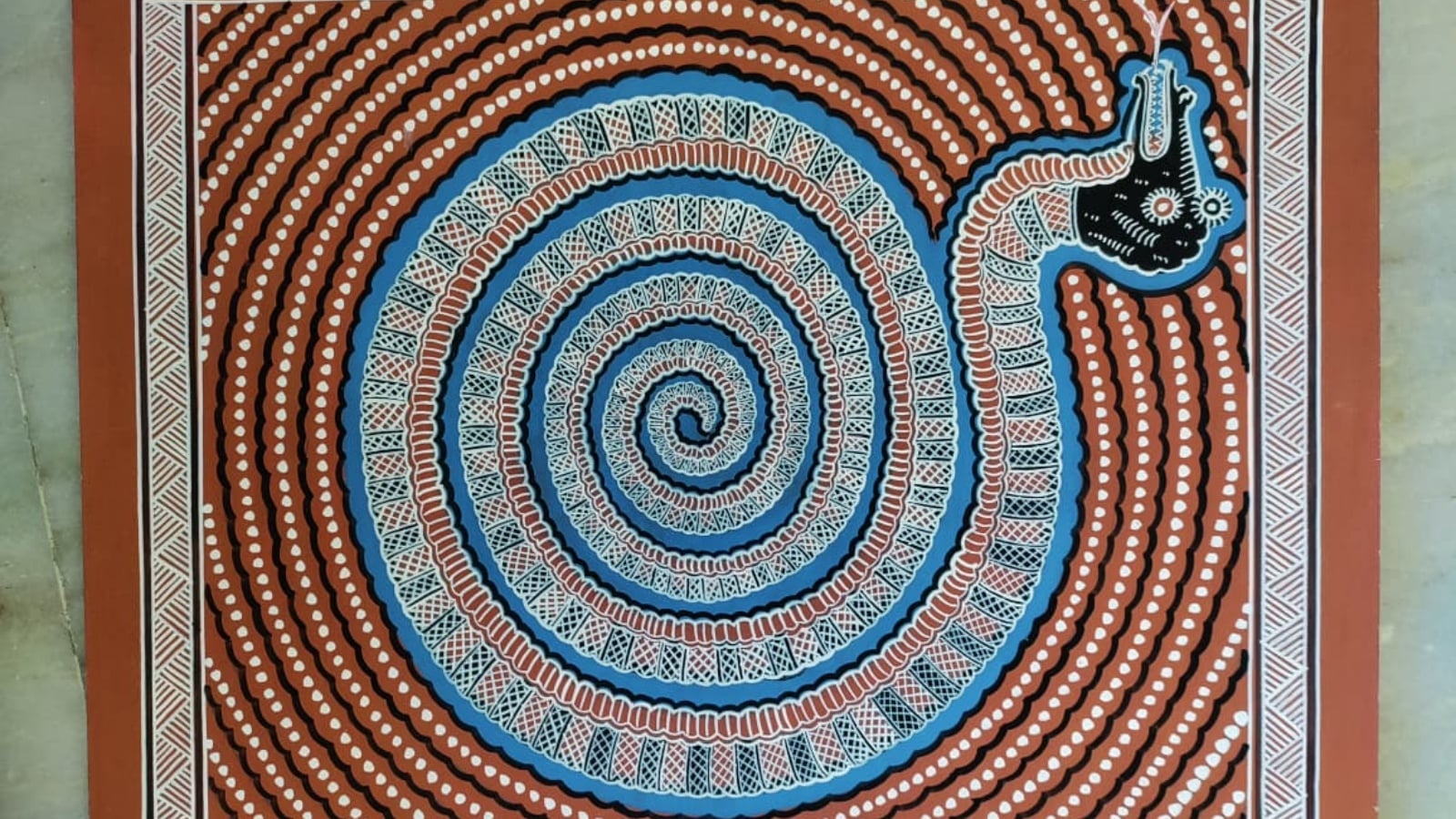
Mandana is a traditional Indian folk art that used to be drawn on mud floors in homes.
It was made with natural colors and had special meanings for different festivals and life events.
As more people started living in houses with concrete floors, the art form began to disappear.
Vidya Devi Soni, a 74-year-old artist, and her son Dinesh are working hard to keep Mandana alive by teaching it to others and adapting it to new surfaces like cloth and hard sheets.
They want young people to learn and appreciate this beautiful art so it doesn't get forgotten.

Mandana is a traditional Indian folk art form that was traditionally drawn on mud floors using natural pigments.
The art form is declining due to the prevalence of concrete houses and ready-made alternatives.
Vidya Devi Soni and her son Dinesh Soni are working to preserve Mandana by teaching it and adapting it to new surfaces.
Mandana carries ritual and cultural significance, marking festivals, seasons, marriages, and other life events.
Despite its cultural importance, Mandana lacks formal recognition and government support.
- Who
- Vidya Devi Soni, a 74-year-old artist, and her son Dinesh Soni
- What
- Mandana, a traditional Indian folk art form
- When
- The art form is declining due to modern housing and lifestyle changes
- Where
- Originated in Bhilwara, Rajasthan, India
- Why
- To preserve cultural heritage and ritual significance
- Artist
- Vidya Devi Soni
- Origin
- Bhilwara, Rajasthan, India
- Traditional Surface
- Mud floors
- Colors Used
- Geru (red-brown earth pigment) and Khadiya (white chalky clay)
- Current Medium
- Cotton cloth and hard sheets
- Symbolism
- Ritual and cultural significance tied to festivals and life events
- Preservation Efforts
- Taught by Vidya Devi Soni and her son Dinesh Soni