

Archive · 26 Jul 2026
Kargil War Anniversary: Unanswered Questions Persist
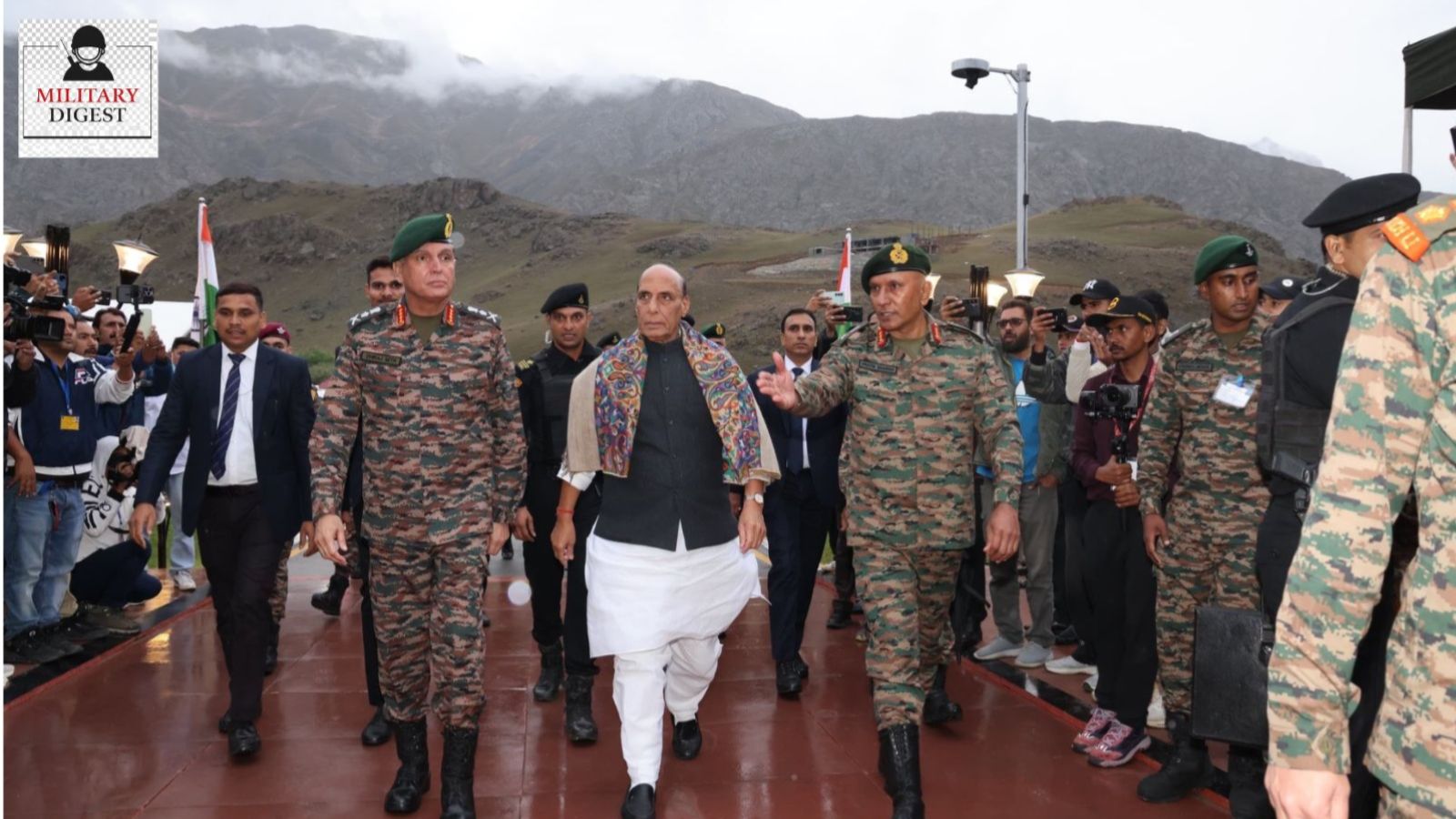
The Kargil War happened in 1999 between India and Pakistan.
Even though India won, there are still many questions about how Pakistan was able to sneak into Indian territory and why India didn't know about it beforehand.
Some senior officers say that the higher-ups in the military didn't do a good job preparing for the attack and didn't listen to warnings.
They also say that the story of the war has been told in a way that focuses too much on the soldiers who fought and not enough on the decisions made by the generals.
There are also questions about why some important posts were left empty and why the military didn't have enough information about what Pakistan was doing.
Some officers who spoke out about these issues were punished, and their cases are still being fought in court.

The Kargil conflict occurred in 1999 between India and Pakistan, with India ultimately winning.
There are unanswered questions about how Pakistani intrusions occurred and why early warnings were ignored.
Senior officers argue that the post-Kargil narrative focuses too much on battalion-level actions and not enough on higher command decisions.
Intelligence failures at the national level allowed Pakistani troop movements to go undetected.
Operational preparedness was lacking, with key posts vacated and resources diverted, which facilitated Pakistani gains.
- Who
- Indian and Pakistani military forces, senior field commanders, and government officials
- What
- The Kargil conflict and its aftermath, including intelligence lapses and operational decisions
- When
- May-July 1999, with ongoing discussions and commemorations
- Where
- Kargil region, India
- Why
- To understand the causes and consequences of the Kargil conflict, including intelligence failures and operational decisions
Critics of Higher Command
Defenders of Higher Command
Intelligence Failures
Critics of Higher Command
Critics argue there was a complete intelligence failure at the national level, with no advance information about Pakistani troop movements.
Defenders of Higher Command
Defenders maintain that the intelligence system was functioning but was overwhelmed by the scale and deception of the Pakistani intrusions.
Operational Preparedness
Critics of Higher Command
Critics claim that operational preparedness was lacking, with key posts vacated and resources diverted, which allowed Pakistani forces to gain a foothold.
Defenders of Higher Command
Defenders argue that the Indian Army responded effectively once the intrusions were detected, demonstrating operational agility and strategic depth.
- Date of Kargil Conflict
- May-July 1999
- Key Battles
- Tiger Hill, Batalik, Dras
- Pakistani Forces Involved
- Northern Light Infantry, Frontier Force battalions
- Indian Forces Involved
- 8 Mountain Division, 70 Infantry Brigade, 192 Mountain Brigade
- Casualties
- 43 Pakistani soldiers killed by Indian artillery fire
- Key Figures
- Brigadier Devinder Singh, Brigadier MPS Bajwa, Brigadier Surinder Singh
- Intelligence Failures
- No advance information about Pakistani troop movements
- Operational Lessons
- Intelligence failure, operational preparedness, surprise and deception, air support, innovative use of artillery, utilisation of resources, decisive role of junior leadership