

Archive · 23 Jul 2026
Gut Repair Timeline and Healing Factors
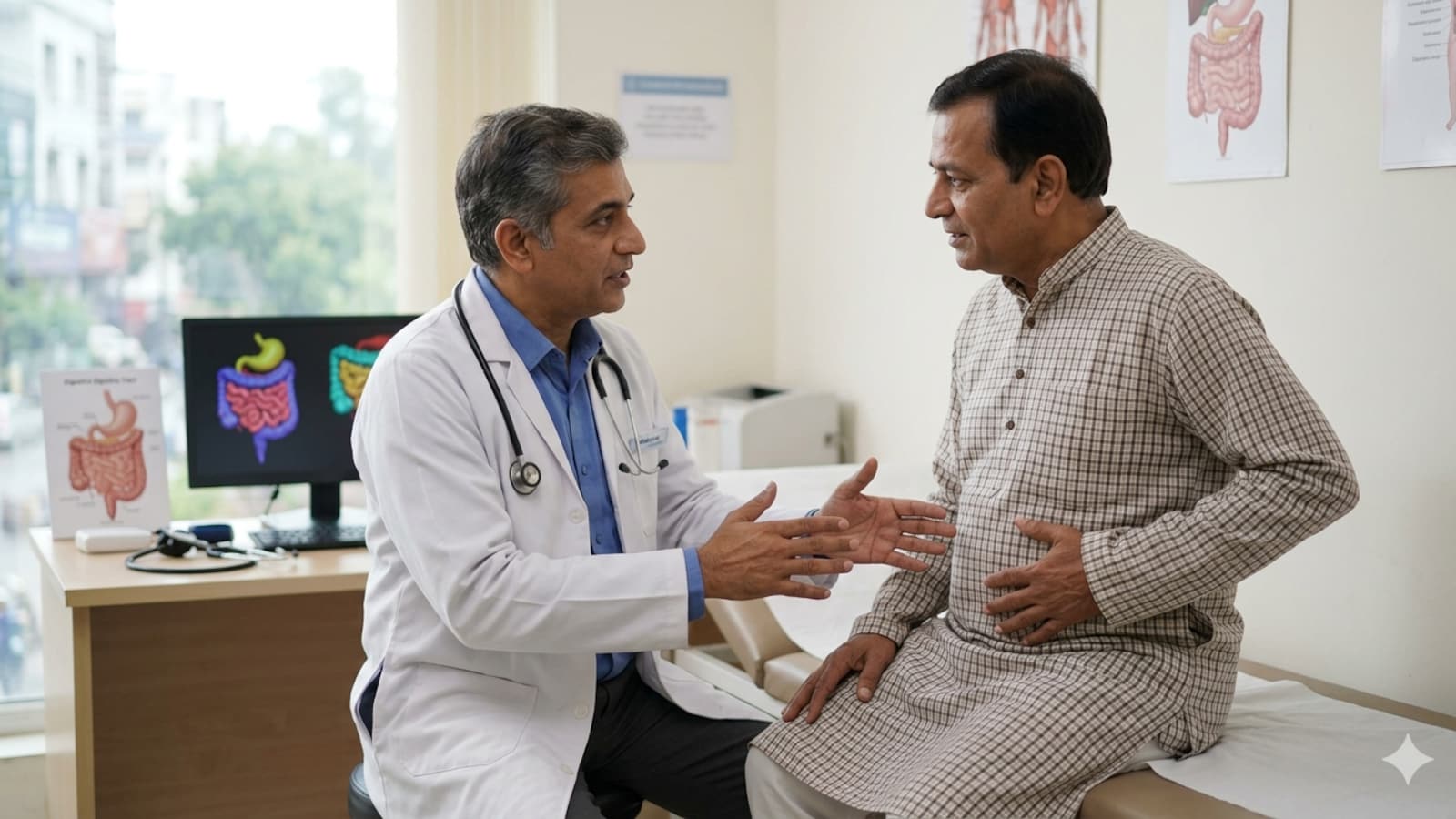
The gut has a natural ability to repair itself, but the timeline varies depending on the extent of damage.
Factors like poor diet, stress, and infections can harm the gut.
Initial healing signs include reduced bloating and better digestion within a few days.
Long-term healing involves improved gut barrier function and microbiome diversity, which can take up to 6 months.
Eating fiber-rich and fermented foods, managing stress, and getting enough sleep can help the gut heal faster.
If you have severe symptoms like blood in stools or persistent diarrhea, you should see a doctor.

The gut can start healing within 24 to 72 hours with reduced bloating and improved digestion.
Long-term healing involves improved gut barrier function and microbiome diversity, taking up to 6 months.
Factors like poor diet, antibiotics, chronic stress, alcohol, smoking, and gastrointestinal infections can damage the gut.
Supportive foods include fermented foods, fiber-rich foods, prebiotic foods, and polyphenol-rich foods.
Daily habits like adequate sleep, stress management, regular exercise, and hydration can speed up gut repair.
- Who
- Individuals experiencing gut health issues
- What
- The timeline and factors affecting gut repair
- When
- Healing begins within 24 to 72 hours and can take up to 6 months for full recovery
- Where
- Globally applicable
- Why
- To understand and promote gut health through dietary and lifestyle changes
Quick Recovery
Long-Term Healing
Recovery Time
Quick Recovery
The gut can show initial signs of healing within 24 to 72 hours with reduced bloating and improved digestion.
Long-Term Healing
For chronic conditions like IBS or severe dysbiosis, the gut may take several months to heal completely.
Dietary Impact
Quick Recovery
A diet rich in fiber and fermented foods can speed up gut repair within weeks.
Long-Term Healing
Long-term dietary changes are necessary for significant improvement in gut barrier function and microbiome diversity.
- Primary Factors Damaging the Gut
- Poor diet, antibiotics, chronic stress, alcohol, smoking, gastrointestinal infections
- Initial Healing Signs
- Reduced bloating, improved digestion, better hydration
- Long-Term Healing Signs
- Improved gut barrier function, increased microbiome diversity, reduced inflammation
- Supportive Foods
- Fermented foods, fiber-rich foods, prebiotic foods, polyphenol-rich foods
- Daily Habits for Gut Health
- Adequate sleep, stress management, regular exercise, hydration, diverse plant foods
- When to See a Doctor
- Blood in stools, persistent diarrhea, unexplained weight loss, severe abdominal pain, ongoing digestive symptoms