2 months ago
Flash floods kill 20 in Afghanistan

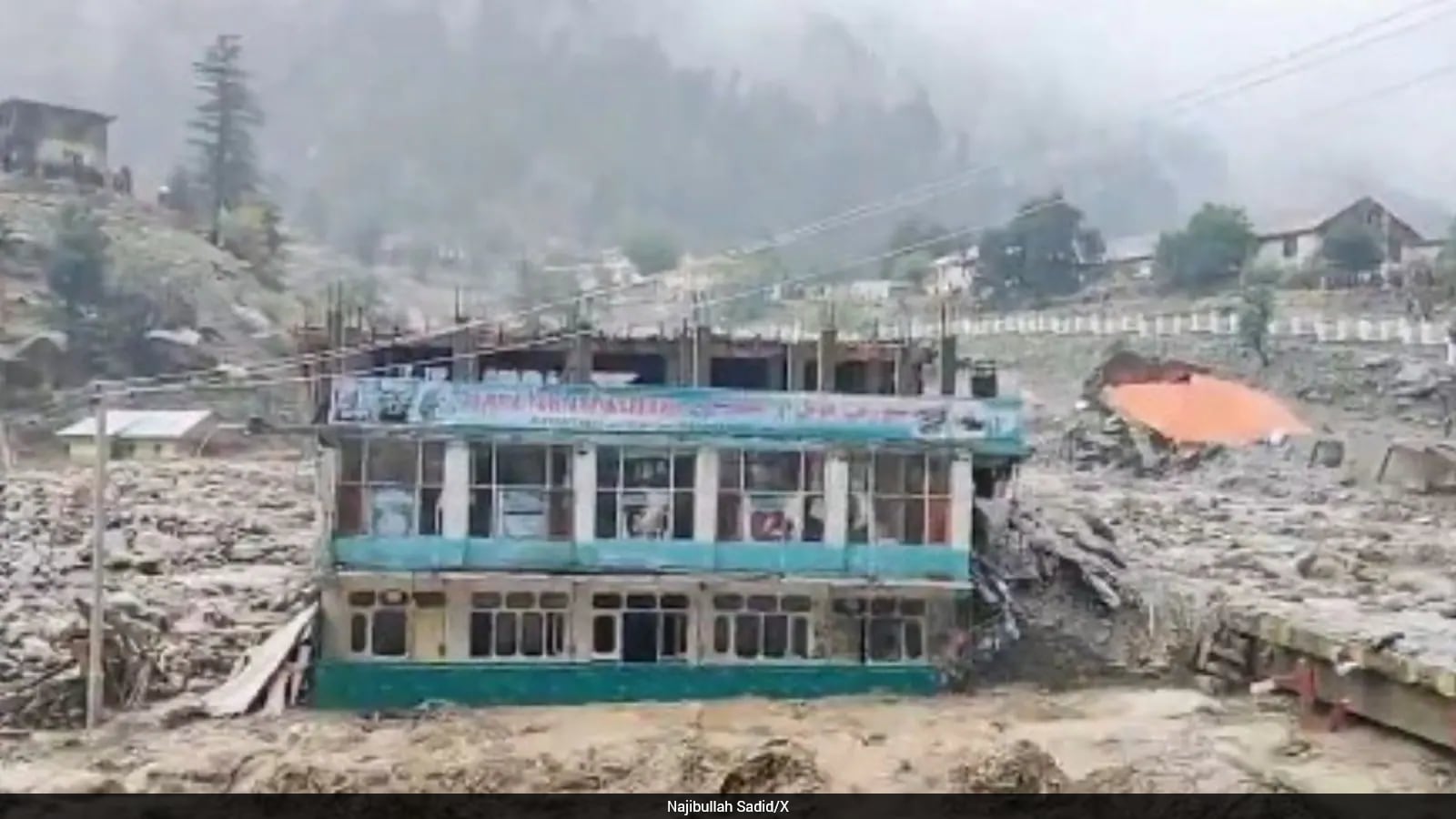
On July 20, flash floods in northeastern Afghanistan killed at least 20 people and injured 80 others.
The floods hit Parun, the capital of Nuristan, near the Afghan-Pakistani border.
Around 100 people are still missing, and the death toll is expected to rise.
The Taliban government launched a search and rescue operation.
Afghanistan is very vulnerable to climate change, which has made some areas more prone to heavy rainfall.
Deforestation has made the floods worse by reducing the soil's ability to absorb water.

Flash floods in northeastern Afghanistan killed at least 20 people on July 20.
The floods injured 80 people and left 100 missing.
The worst damage was reported in Parun, the capital of Nuristan.
The Taliban government launched a search and rescue operation.
Afghanistan's vulnerability to climate change and deforestation worsened the impact of the floods.
- Who
- Residents of Parun, Nuristan, Afghanistan
- What
- Flash floods
- Where
- Parun, Nuristan, Afghanistan
- When
- July 20
- Why
- Heavy rainfall and deforestation
Environmental Impact
Human Activity
Cause of Floods
Environmental Impact
Climate change has made parts of Afghanistan more prone to heavy rainfall and flash floods.
Human Activity
Deforestation in Nuristan and other provinces has worsened the impact of flash floods by reducing the soil's ability to absorb rainwater.
Key facts
- Location
- Parun, Nuristan, Afghanistan
- Date
- July 20
- Death Toll
- 20
- Injured
- 80
- Missing
- 100
- Rescue Operation
- Launched by Taliban officials
- Vulnerability
- Afghanistan is highly vulnerable to climate change impacts
Sources
Related news

Saudi Arabia’s CEER Exobot Offers 850hp and 670km Range

Navy Chief Visits Australia, New Zealand to Boost Cooperation

Trump Announces U.S. Space Academy Amid Rivalry With China

Trump Signs Order Launching Proposed U.S. Space Academy

Kadapa Students Honour Police Personnel During Raksha Bandhan

Suwałki Gap Emerges as NATO’s Baltic Achilles’ Heel
Afghanistan, Pakistan Clash Over Militants, Airstrikes and Border Claims
India Delivers Medical Aid to Afghanistan, Reaffirms Humanitarian Support

India Sends Relief to Flood-Hit Afghanistan
Devastating floods and landslide strike Afghanistan's Nuristan province