

Archive · 10 Aug 2025
Indian Debate: Live-In Relationships Spark Cultural Divide
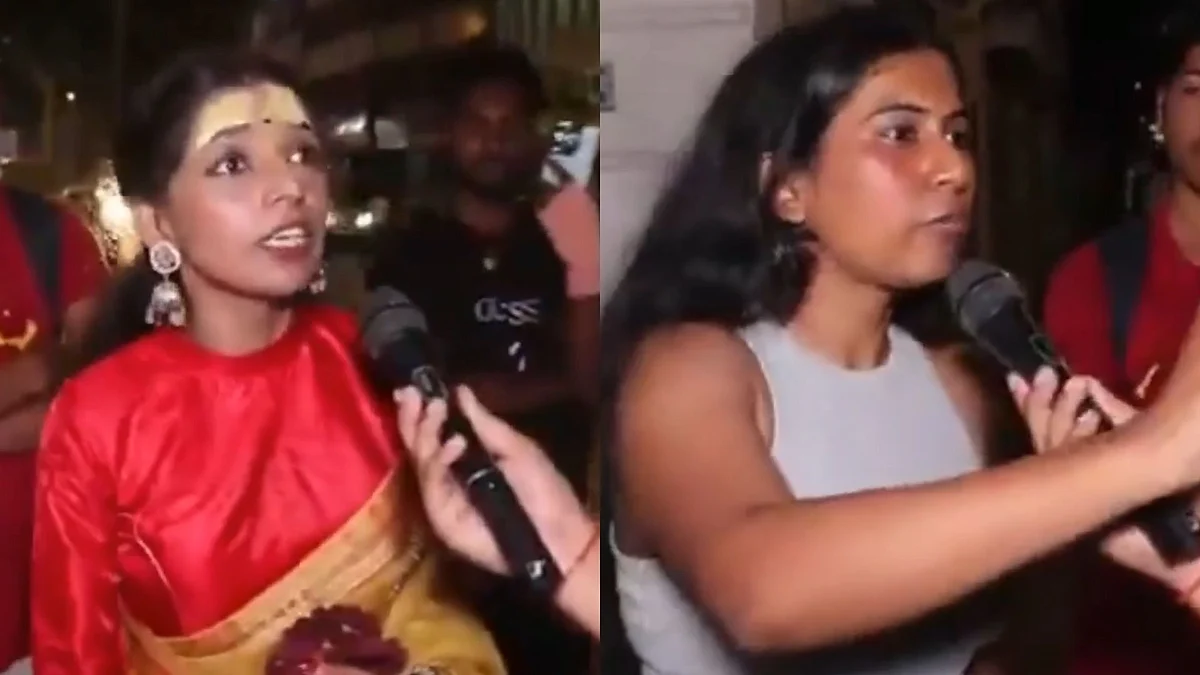
A video of a street interview in Bihar has people talking about live-in relationships.
Some people think it's wrong and against their culture, even comparing it to something bad.
They believe marriage is important and that live-in relationships are immoral.
Other people disagree, saying it's a personal choice, especially for adults.
They feel the criticism comes from a lack of understanding and education.
The discussion also touches on history, generational differences, and if women face harsher judgements than men.
People online have different opinions, from supporting traditional values to embracing modern freedom.

A street interview in Bihar sparked a debate on live-in relationships.
Some locals oppose live-in arrangements, citing cultural and moral concerns.
Others defend live-in relationships as a matter of personal choice.
Online discussions reference ancient Hindu texts and generational divides.
The conversation highlights potential gender bias and differing viewpoints.
- Who
- Locals interviewed in Bihar and social media users.
- What
- A debate on live-in relationships triggered by a street interview.
- When
- Not explicitly stated, but recent.
- Where
- Bihar, India, and social media.
- Why
- To explore differing views on live-in relationships.
Traditionalists
Progressives
Morality
Traditionalists
Live-in relationships are morally unacceptable and against cultural norms.
Progressives
Live-in relationships are a personal choice between consenting adults.
Social Progress
Traditionalists
Live-ins undermine family values.
Progressives
Live-ins reflect societal progress and normalization.
Education
Traditionalists
Those in live-in relationships have no morals and it is comparable to prostitution.
Progressives
Lack of education causes this perspective.
- Location of Interview
- Bihar, India
- Subject
- Live-in Relationships
- Main Issue
- Cultural and Moral Opposition vs. Personal Choice
- Source
- Street interview and social media
- Key Themes
- Tradition, Modernity, Generational Divide