

2 hrs ago
BRICS Leaders Plant Banyan Saplings as India Pushes Governance Reform

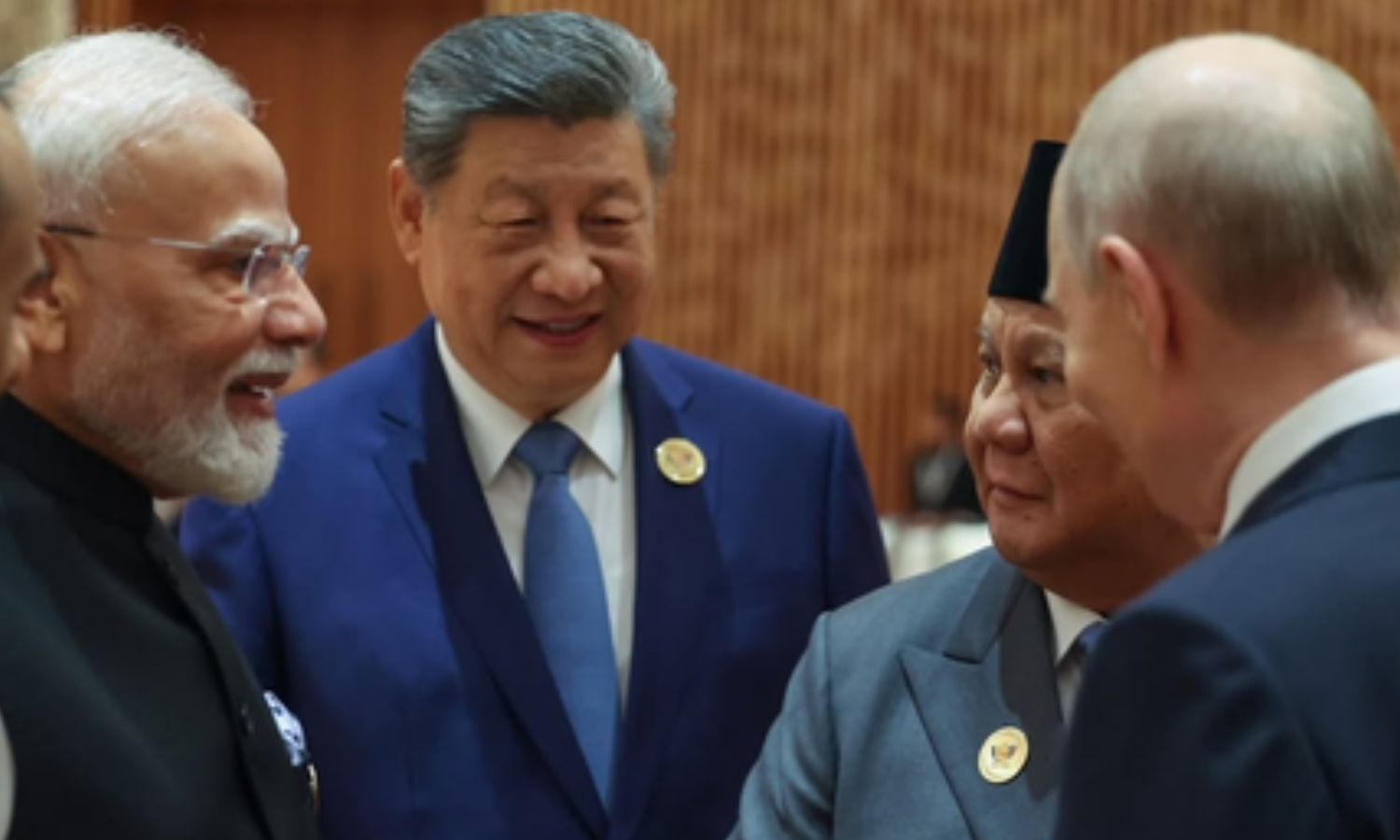
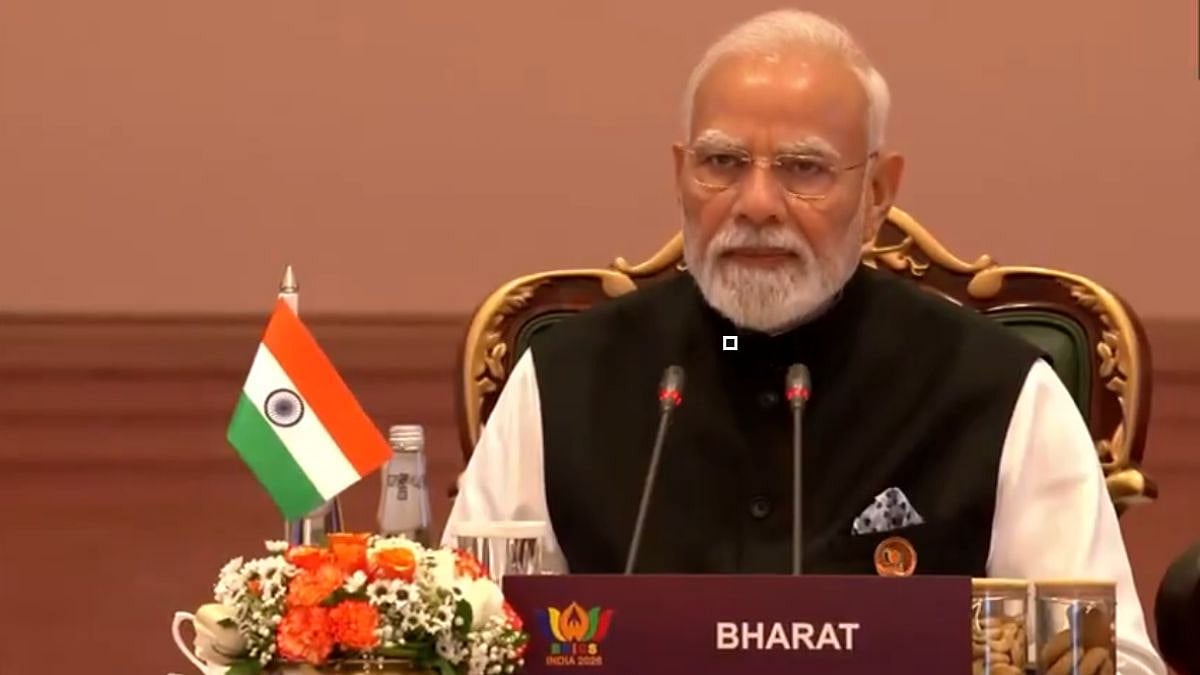
BRICS leaders met in New Delhi for a two-day summit hosted by India.
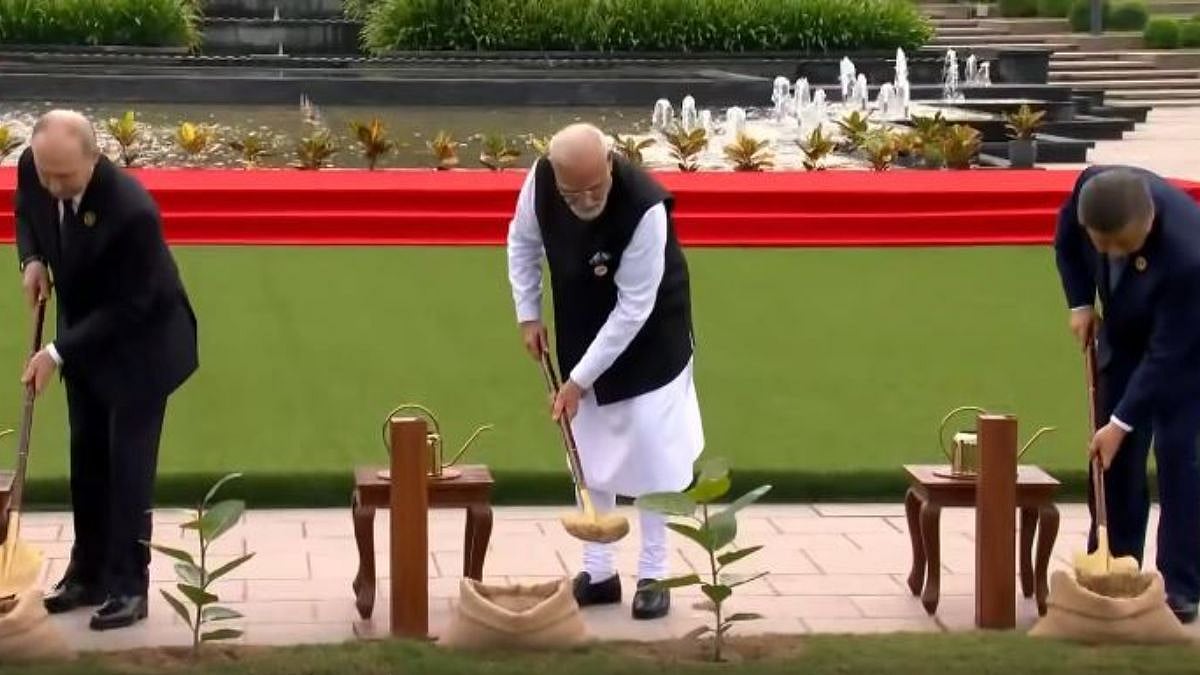
On the first day, Prime Minister Narendra Modi and nine other leaders planted great banyan tree saplings.
The tree planting was connected to India’s “Ek Ped Maa ke Naam” campaign and the summit’s sustainability theme.
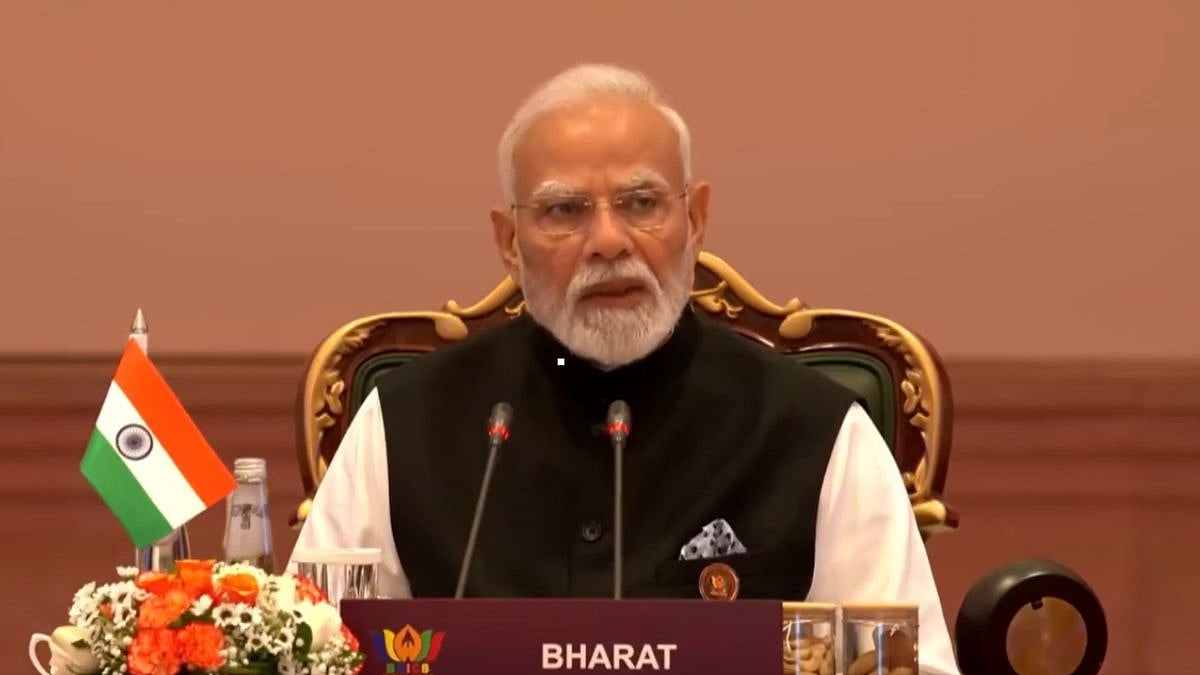
Modi said countries of the Global South should have a stronger role in making global rules.
He also proposed a plan to reform global governance.
Another proposal would create emergency support for sailors facing dangers from international crises.
The leaders agreed on a New Delhi Declaration.
They reached agreement after discussions about differences involving the United Arab Emirates and Iran.

Prime Minister Narendra Modi and nine other BRICS leaders planted great banyan saplings at Bharat Mandapam on the summit’s first day.
Modi called for the Global South to become a “rule shaper” and replace the “pyramid of privilege” with a “platform of partnership.”
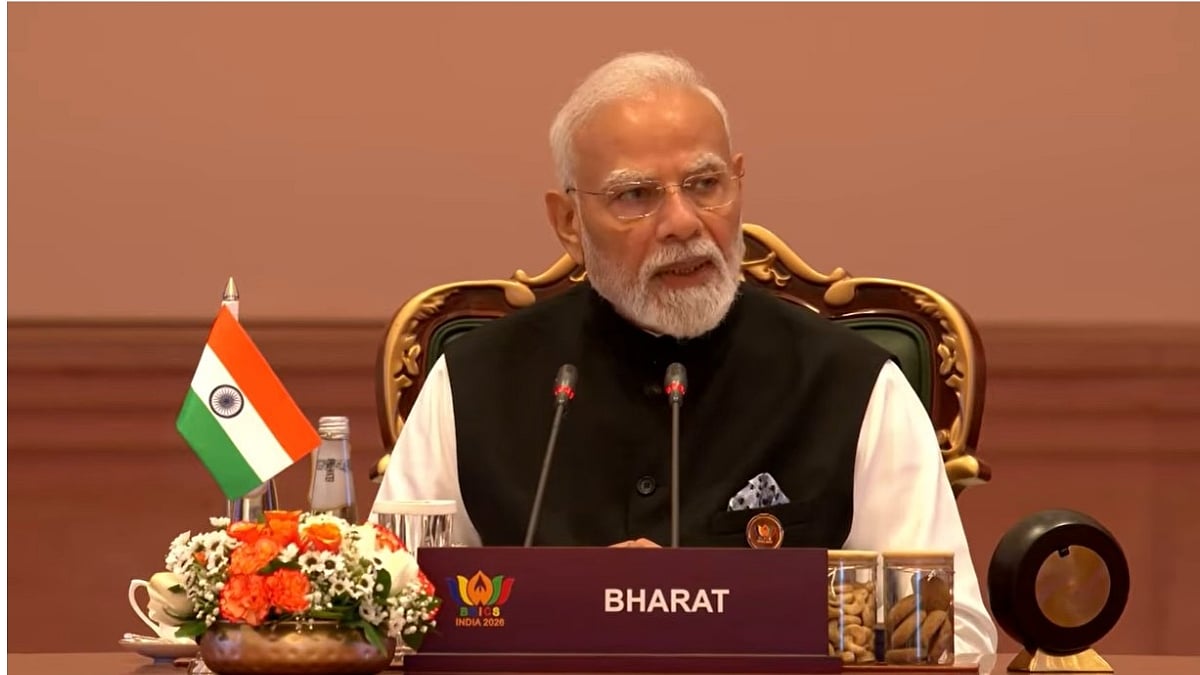
India presented a 10-point roadmap for global governance reform and proposed a Seafarers’ Emergency Support Network.
BRICS leaders adopted a New Delhi Declaration after discussions helped overcome differences between the United Arab Emirates and Iran.
The summit is being held in New Delhi on September 12 and 13 as India marks BRICS’ 20th anniversary in 2026.
- Who
- Prime Minister Narendra Modi and leaders of nine other BRICS member countries, including China’s Xi Jinping, Russia’s Vladimir Putin, South Africa’s Cyril Ramaphosa, Iran’s Masoud Pezeshkian and Egypt’s Abdel Fattah El-Sisi.
- What
- BRICS leaders planted great banyan saplings, discussed global governance reform, proposed support for sailors and adopted a New Delhi Declaration.
- Where
- The Bharat Mandapam complex in New Delhi, India.
- When
- September 12 and 13; the tree planting and main proceedings began on September 12.
- Why
- The planting supported India’s “Ek Ped Maa ke Naam” campaign and the summit’s resilience, innovation, cooperation and sustainability theme; the policy discussions addressed global governance and crisis-related risks.
Case for consensus and reform
Concerns over limited diplomatic language
Global governance
Case for consensus and reform
India’s position is that the Global South should become a “rule shaper” and that global governance should move from a “pyramid of privilege” to a “platform of partnership.”
Concerns over limited diplomatic language
The article does not identify a specific opposing country’s response to this proposal or detail objections to the 10-point roadmap.
New Delhi Declaration
Case for consensus and reform
India described the consensus declaration as a diplomatic achievement reached through conversations and engagement at multiple levels.
Concerns over limited diplomatic language
The declaration did not directly mention United States strikes on Iran or Iranian military attacks on several Gulf Arab nations, despite differences between the United Arab Emirates and Iran over the West Asia conflict.
Key facts
- Host country
- India
- Summit location
- Bharat Mandapam, New Delhi
- Summit dates
- September 12-13
- Saplings planted
- 10 great banyan tree saplings
- Governance proposal
- A 10-point roadmap for global governance reform
- Additional proposal
- A Seafarers’ Emergency Support Network
- Declaration
- New Delhi Declaration
- BRICS milestone
- The grouping will complete 20 years since its establishment in 2026
Quotes
Sudhakar Dalela
India’s BRICS Sherpa
“conversations have been taking place at various levels”
 theprint.in
“we were able to forge a consensus”
theprint.in
Sources
Related news
BRICS Leaders Plant Trees During India-Hosted New Delhi Summit
BRICS Summit Adopts New Delhi Declaration, Modi Urges Reform
Modi Urges BRICS to Make Global South Rule-Shaper
Modi Calls 2026 BRICS Summit Historic Amid Global Reform Push
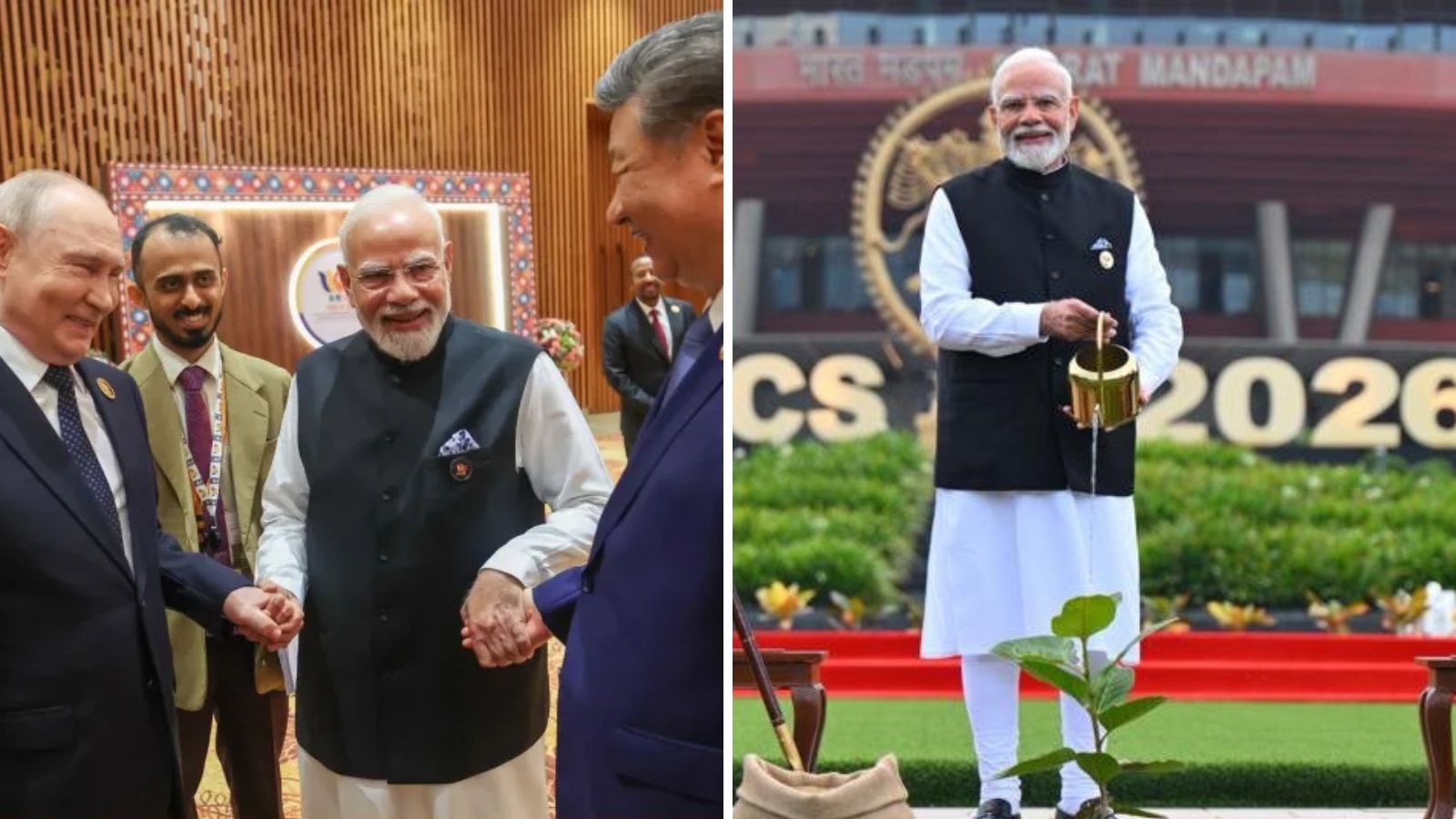
Modi, Putin and Xi Unite at 2026 BRICS Summit
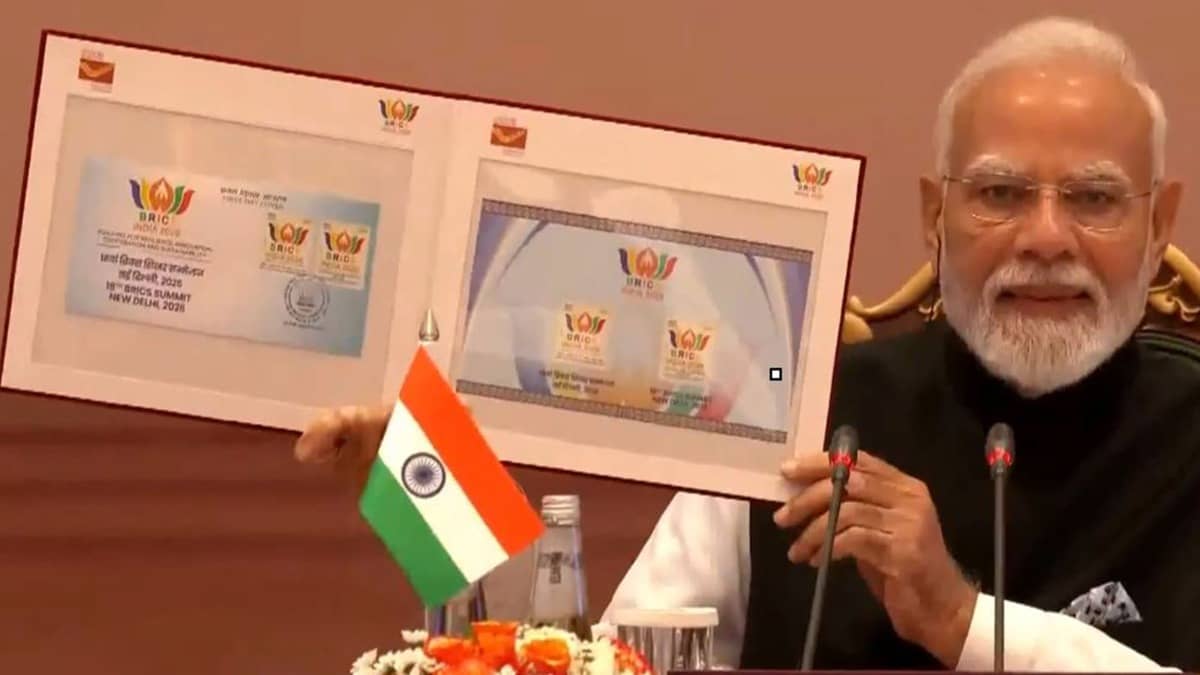
Modi Launches BRICS Stamps as Summit Adopts Declaration
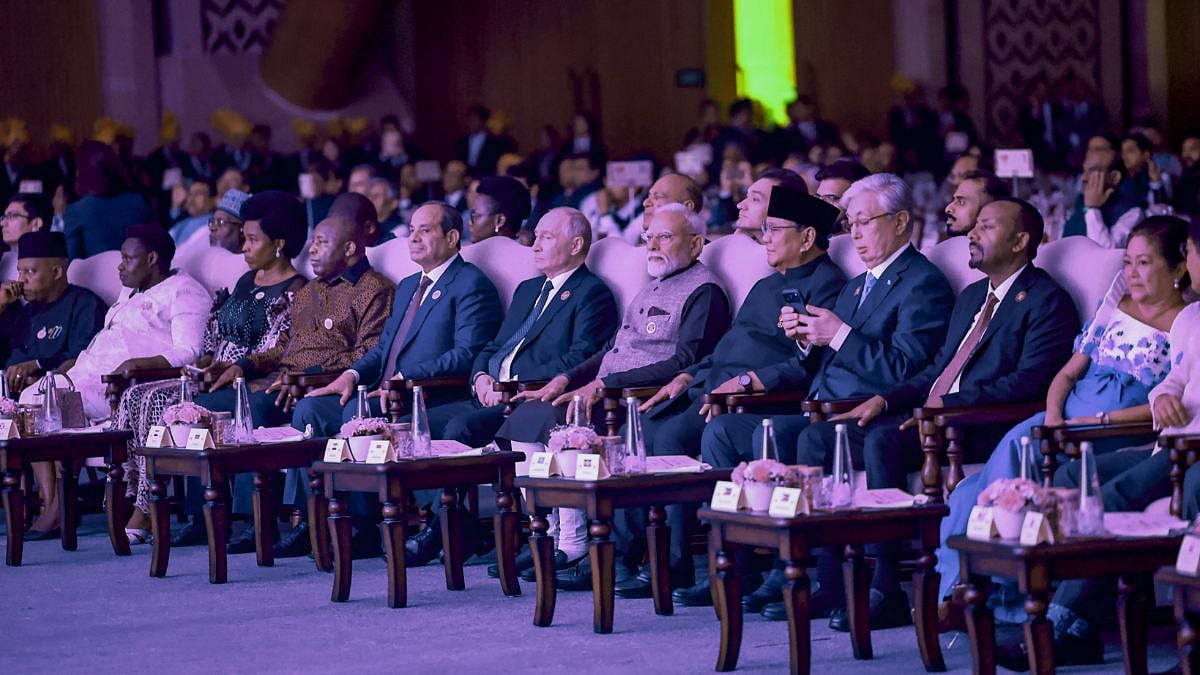
Modi Hosts BRICS Leaders at New Delhi Gala Dinner
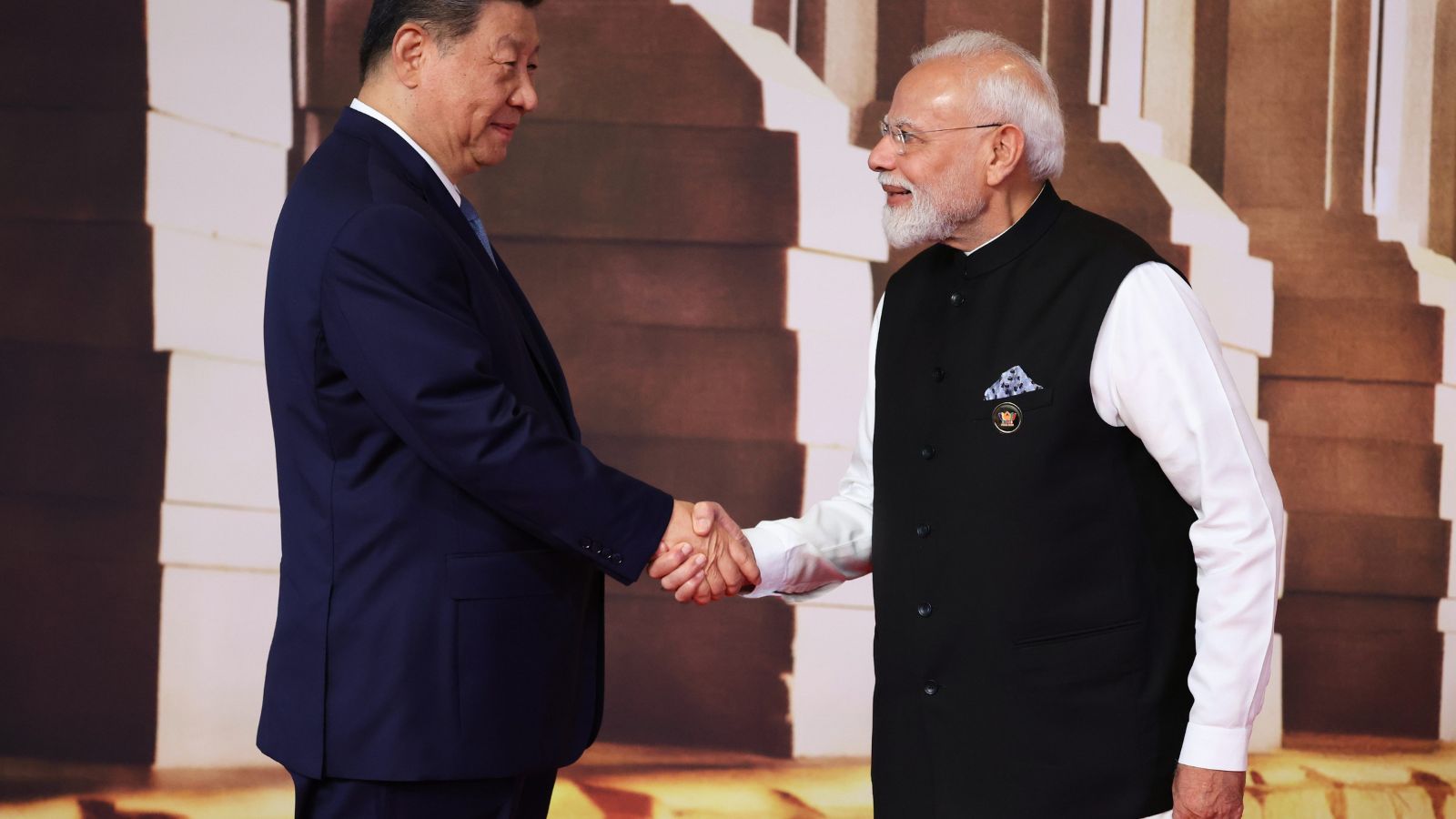
Modi Welcomes BRICS Leaders Before Rameswaram Temple Backdrop
Modi Calls BRICS ‘Coming of Age,’ Urges Unity for Results
