

Archive · 19 Jul 2026
TRAI and Truecaller Dispute Over Call Tagging
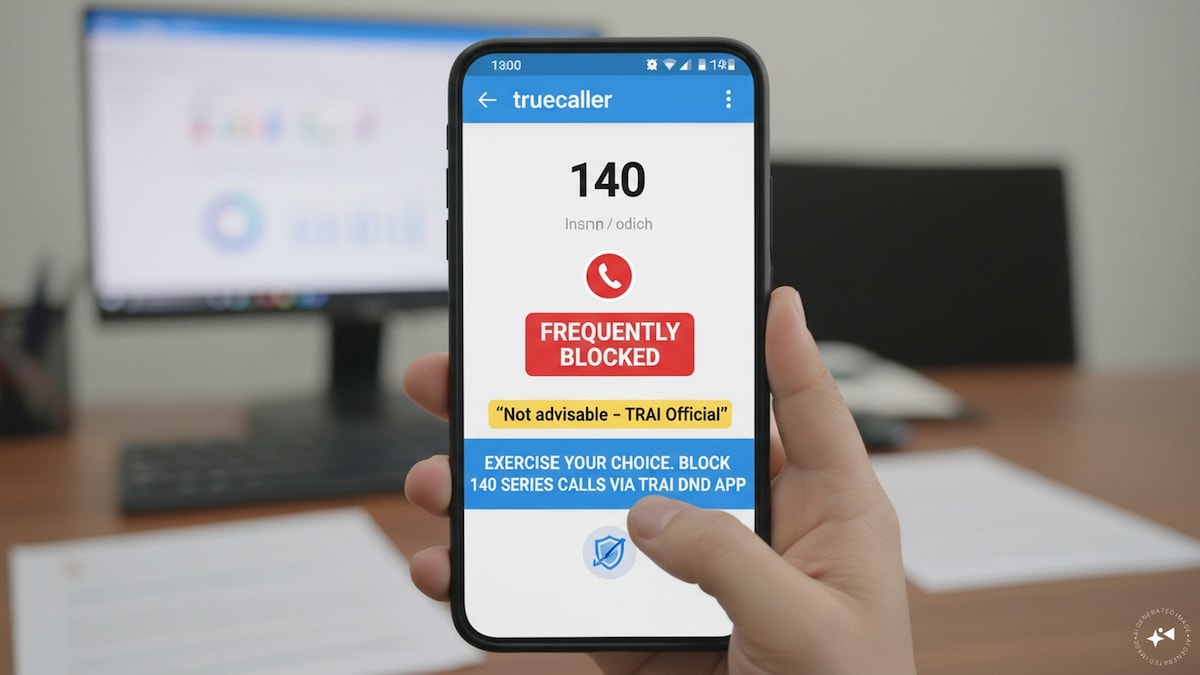
TRAI and Truecaller are arguing about how to handle tags on certain phone numbers.
TRAI says that tagging numbers as 'frequently blocked' can confuse people because these numbers are used by important services like banks and the government.
They want Truecaller to show a message about the DND system instead, which lets people choose what calls they want to receive.
Truecaller says their tag is based on what users report and helps protect people from spam.
TRAI also says that most spam calls come from regular numbers, not the special ones they regulate.
They believe their DND system gives people enough control over promotional calls.
Truecaller, however, thinks TRAI's rules have made it harder to stop spam calls.

TRAI objects to Truecaller's 'frequently blocked' tag on 140 and 1600 series numbers, saying it misleads consumers.
Truecaller argues the tag is based on user reports and complies with regulations to protect consumers.
TRAI mandates the use of 1600 series for service calls and 140 series for promotional calls by registered entities.
TRAI emphasizes the DND framework allows consumers to control promotional calls, specifying sectors and preferences.
TRAI asserts that most spam calls originate from ordinary numbers, not the regulated 140 series.
- Who
- Telecom Regulatory Authority of India (TRAI) and Truecaller
- What
- Dispute over the tagging of calls from dedicated 140 and 1600 number series.
- When
- Published on July 19, 2026
- Where
- India
- Why
- TRAI believes tagging creates unwarranted suspicion, while Truecaller aims to protect consumers from spam calls.
TRAI's Perspective
Truecaller's Perspective
Tagging of Calls
TRAI's Perspective
TRAI argues that tagging calls as 'frequently blocked' creates unwarranted suspicion and misleads consumers, as these calls are from regulated entities.
Truecaller's Perspective
Truecaller maintains that the 'frequently blocked' tag is based on user blocking patterns and complies with regulations, aiming to protect consumers.
Consumer Control
TRAI's Perspective
TRAI emphasizes that consumers have complete control over promotional calls through the DND preference management system.
Truecaller's Perspective
Truecaller claims that TRAI's framework has weakened consumer protection by preventing apps from displaying community-reported spam information.
Spam Calls
TRAI's Perspective
TRAI asserts that the real problem of spam lies outside the regulated numbering system and that the DND framework effectively addresses promotional communications.
Truecaller's Perspective
Truecaller alleges that spam calls have surged due to TRAI's mandate, leading to increased blocking of legitimate business communications.
- Regulated Number Series
- 1600 series for service and transaction calls by BFSI entities and government communications; 140 series for promotional calls by registered entities.
- TRAI's Stance
- Opposes tagging of 140 and 1600 series numbers as it creates unwarranted suspicion.
- Truecaller's Stance
- Uses 'frequently blocked' tag based on user blocking patterns to protect consumers.
- DND Framework
- Allows consumers to control promotional calls, specifying sectors and preferred days/time slots.
- Spam Calls Origin
- More than 80% of unsolicited marketing calls originate from ordinary mobile and landline numbers.

