

Archive · 1 Sep 2025
Political Influence on US Interest Rates
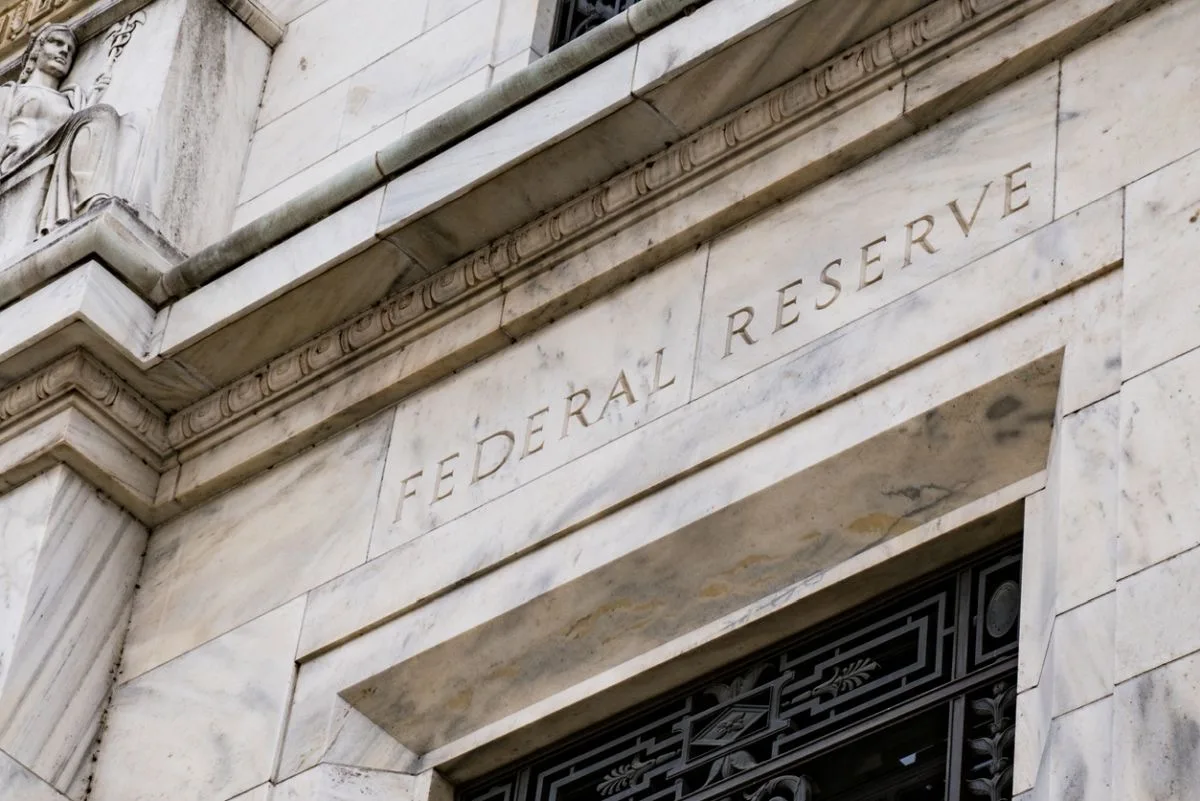
Central banks, like the Federal Reserve, control interest rates, which affect how the economy grows.
They aim for stable prices.
Politicians often want lower rates to boost the economy and reduce government debt.
However, lower rates can also cause inflation.
The article discusses how former President Trump pressured the Fed to lower rates, even though central banks are supposed to be independent.
This highlights the ongoing tension between political desires and the need for central banks to make decisions for economic stability.

Central banks manage interest rates to influence economic growth and stability.
Governments with high debt prefer low interest rates.
Former President Trump publicly pressured the Federal Reserve to lower rates.
Market participants anticipate that the Fed will accommodate in response to political pressure.
The article highlights the interplay between central bank independence and political influence.
- Who
- Central bankers and politicians
- What
- Debate and influence over US interest rates
- When
- Ongoing, with increased focus under the Trump administration
- Where
- United States
- Why
- To manage economic growth and government debt.
Government Influence
Central Bank Independence
Interest Rate Policy
Government Influence
Governments seek lower interest rates to manage debt and stimulate growth.
Central Bank Independence
Central banks should be independent in setting rates to control inflation and ensure economic stability.
- Central Bank Role
- Implement monetary policy for price and financial stability.
- Interest Rate Impact
- Affect economic growth and jobs.
- Historical Context
- First central bank created in Sweden in 1668.
- Fed Chairman
- William McChesney Martin warned against excessive government borrowing.
- Trump's Actions
- Criticized Fed Chair Powell, called for his resignation, and pressured for lower rates.
- Market Sentiment
- Expectation of accommodative Fed policies under Trump.