

Archive · 23 Dec 2025
Storm Disrupts US Atomic Clocks
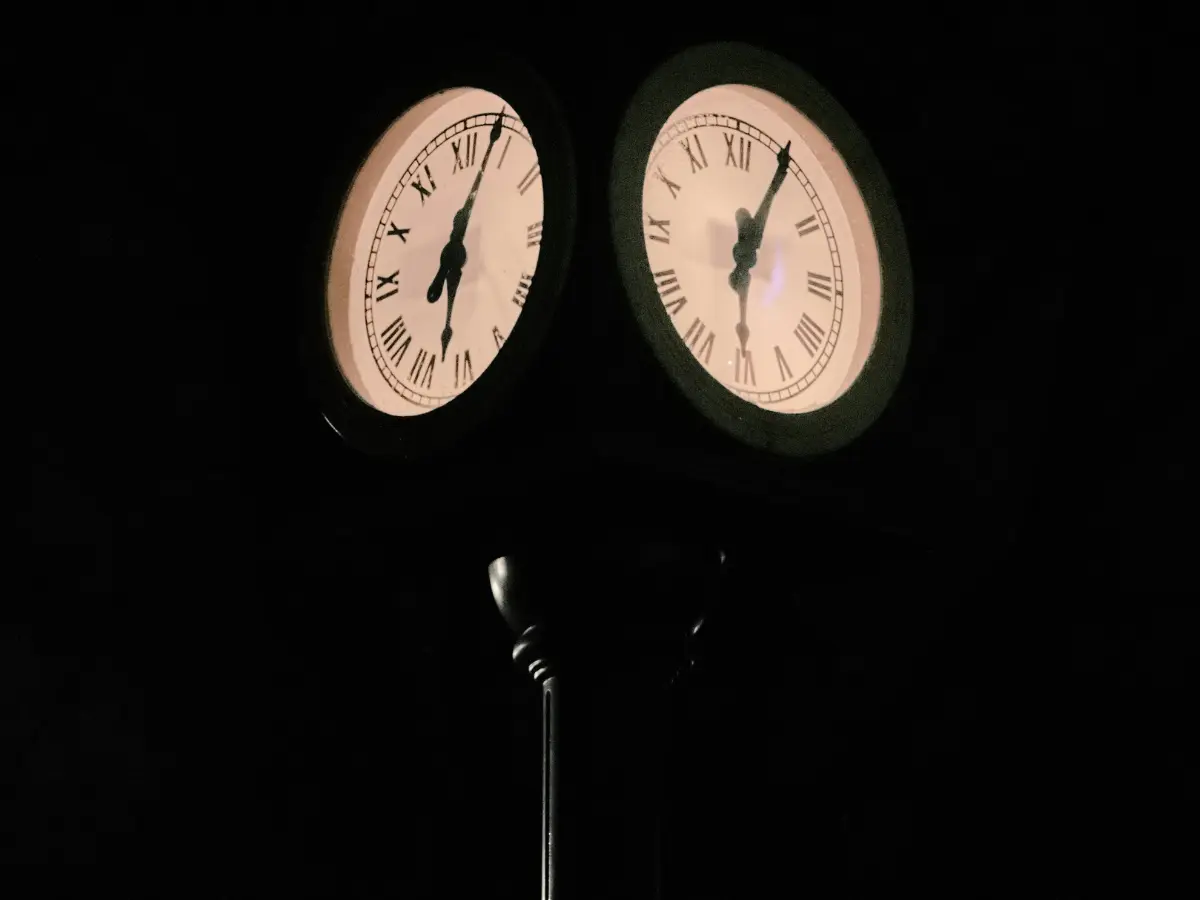
A big storm in Colorado caused some very important clocks at a place called NIST to slow down.
These clocks help keep the official time for the whole country.
Because of the storm, the country is now a tiny bit behind the rest of the world, by just 4.8 microseconds.
Even though that doesn't sound like much, it can affect important things like GPS and phone signals.
The clocks kept working because they had batteries, but the connection to the systems that measure and share the time stopped working correctly.
Scientists are saying that even a small time difference can have big effects on important systems.

A massive storm in Colorado disrupted atomic clocks at NIST, causing a 4.8 microsecond time lag.
The backup generator at NIST failed during the storm, affecting the time measurement and distribution systems.
NIST coordinated universal time (UTC(NIST)) determines the official time in the US.
The time difference can impact critical systems like infrastructure, telecommunications, and GPS signals.
Scientists warn that even small time discrepancies can have significant effects on crucial systems.
- Who
- National Institute of Standards and Technology (NIST)
- What
- Disruption of atomic clocks causing a time lag
- When
- Last week during a massive storm
- Where
- Boulder, Colorado
- Why
- Backup generator failure during a power outage
- Location
- National Institute of Standards and Technology (NIST) in Boulder, Colorado
- Time Difference
- 4.8 microseconds behind
- Cause
- Backup generator failure during storm
- Affected Systems
- Infrastructure, telecommunications, GPS signals
- Clocks Affected
- Hydrogen masers and caesium beam clocks