

Archive · 31 Dec 2025
Supermoon May Dim January's Quadrantid Meteor Shower
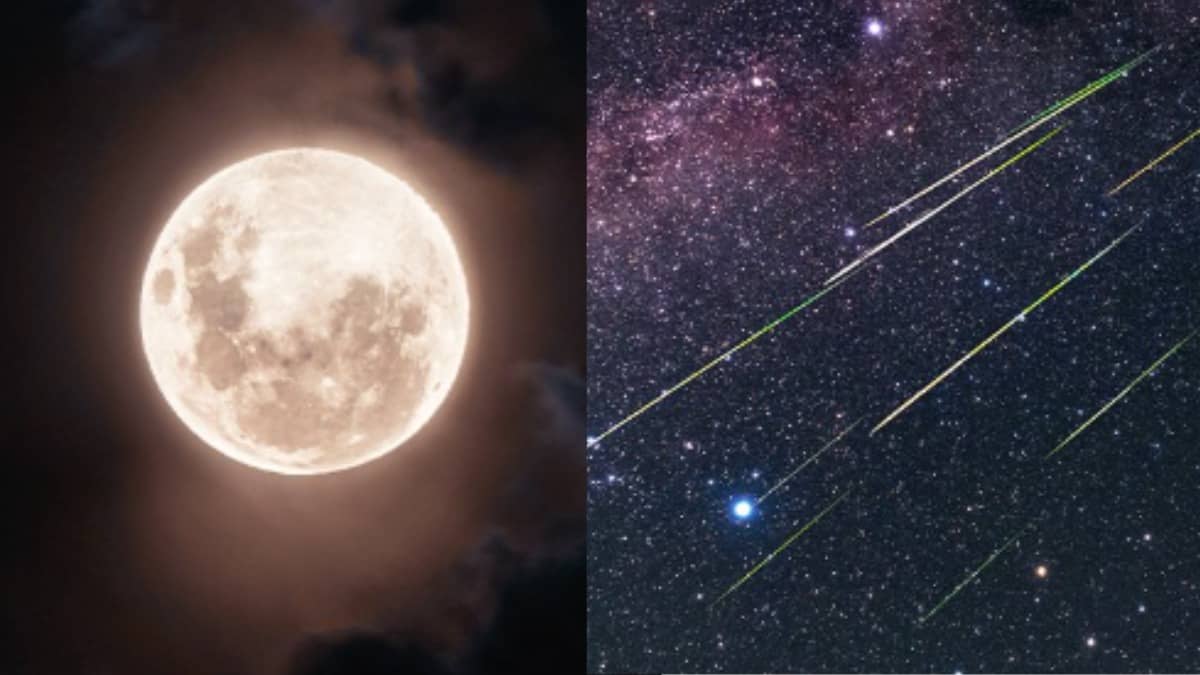
In January, there will be a special night where a meteor shower called the Quadrantids and a supermoon will happen at the same time.
Normally, you can see about 25 meteors per hour during the meteor shower, but this time, the supermoon's bright light might make it hard to see more than 10 meteors per hour.
A supermoon is when the full moon is closer to Earth, making it look bigger and brighter.
Meteor showers happen when tiny space rocks burn up in the Earth's atmosphere, creating streaks of light in the sky.
The Quadrantids are named after a constellation that isn't used anymore.
To see the meteor shower, it's best to go somewhere away from city lights and look up at the sky before the moon gets too bright.
The next big meteor shower will be in April.

The Quadrantid meteor shower and a supermoon will occur in January, with the meteor shower peaking Friday night into Saturday morning and the supermoon on Saturday.
The supermoon's brightness may reduce the visible meteor rate from 25 per hour to less than 10 per hour.
Supermoons appear up to 14% bigger and 30% brighter than the faintest moon of the year.
The Quadrantid meteor shower is best viewed from the Northern Hemisphere, while the supermoon is visible everywhere it's night.
The next major meteor shower, the Lyrids, is expected in April.
- Who
- Skygazers and astronomers
- What
- Quadrantid meteor shower and supermoon
- When
- January, with the meteor shower peaking Friday night into Saturday morning and the supermoon on Saturday
- Where
- Visible from the Northern Hemisphere for the meteor shower and everywhere it's night for the supermoon
- Why
- The supermoon's brightness may interfere with viewing the meteor shower
- Event 1
- Quadrantid meteor shower
- Event 2
- Supermoon
- Meteor Shower Peak
- Friday night into Saturday morning
- Supermoon Date
- Saturday
- Typical Meteor Rate
- 25 meteors per hour in dark skies
- Expected Meteor Rate
- Less than 10 per hour due to supermoon
- Supermoon Brightness
- Up to 30% brighter than the faintest moon
- Supermoon Visibility
- Visible everywhere it's night
- Meteor Shower Visibility
- Mainly Northern Hemisphere
- Next Major Meteor Shower
- Lyrids in April