

7 months ago
Sudhir Mishra on Ritwik Ghatak's Enduring Influence
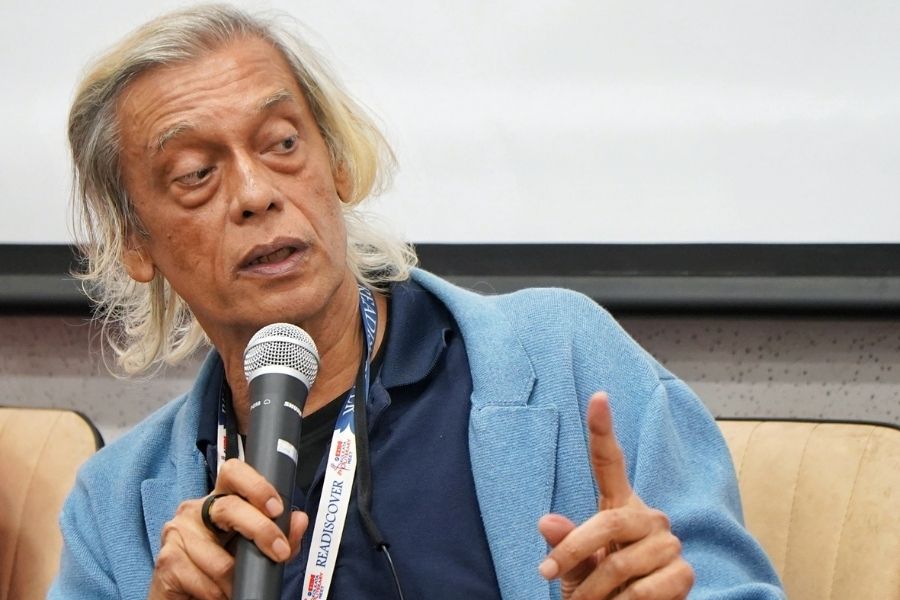
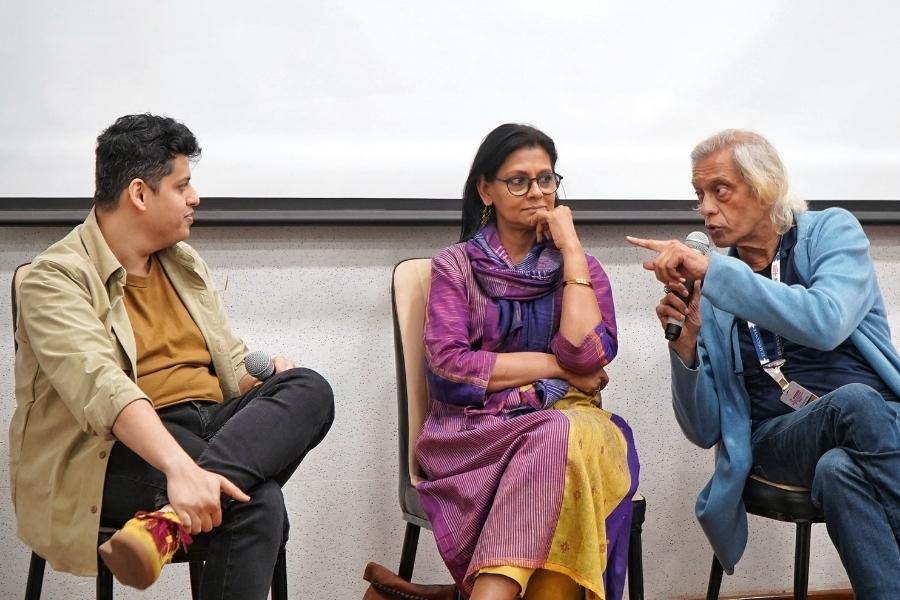
Sudhir Mishra, a famous filmmaker, talked about another great filmmaker, Ritwik Ghatak, at an event in Kolkata.
He said Ghatak's movies are very special because they come from his heart and show deep feelings about things like the Partition and people moving to new places.
Ghatak's movies are not just for festivals; they also connect with regular people.
Mishra said Ghatak's work is still important today because it talks about things like losing your home and culture.
He also said Ghatak's movies have a big influence on how films are made, especially with sound and music.
Mishra mentioned that Ghatak's movies are not just about politics but about the deeper feelings of people who have to leave their homes.
He also said that Ghatak's work is still very much a part of Indian cinema today.

Sudhir Mishra praised Ritwik Ghatak's uncompromising cinematic language and deep engagement with history and displacement.
Ghatak's films are rooted in personal pain, political awareness, and mastery of craft, regardless of commercial constraints.
Mishra highlighted Ghatak's influence on cinematic craft, particularly sound design and music, using Tagore and folk traditions.
Ghatak's themes of Partition, migration, and displacement remain relevant amid contemporary patterns of displacement.
Mishra dismissed attempts to pit Ghatak against contemporaries like Satyajit Ray, noting Ghatak's enduring influence on cinema.
- Who
- Sudhir Mishra, Ritwik Ghatak
- What
- Discussion on Ritwik Ghatak's influence on Indian cinema
- Where
- Kolkata
- When
- During the Kolkata Literary Meet
- Why
- To mark Ritwik Ghatak's birth centenary
Key facts
- Filmmaker
- Sudhir Mishra
- Event
- Kolkata Literary Meet
- Session Title
- Ghatak @ 100: A Soft Note on a Sharp Scale
- Key Themes
- Partition, migration, displacement, cinematic craft
- Notable Films
- Meghe Dhaka Tara
Quotes

Sudhir Mishra
Filmmaker and panelist at the Kolkata Literary Meet.
“There is no such thing as a fixed 'Bollywood structure'. The structure came because of economic circumstances and commercial pressures.”
 telegraphindia.com
“In Europe, culture is considered a public good and is supported by the state. In India, profit is the only measure. That changes what kind of films can exist.”
telegraphindia.com

Chaitanya Tamhane
Filmmaker known for 'Court' and 'The Disciple'.
“It honestly comes down to who funds the movies.”
telegraphindia.com
“Whose gaze is it when we say world cinema? The films that travel are often those that cater to their view of us.”
telegraphindia.com

Nandita Das
Filmmaker and actor, panelist at the Kolkata Literary Meet.
“I didn’t grow up watching Hindi cinema and never developed a taste for it. It’s not arrogance, it’s lack of exposure.”
telegraphindia.com
“For me, cinema has always been a means to an end.”
telegraphindia.com
Sources
Related news

Oshiwara Police Recover Filmmaker Sudhir Mishra’s Hacked X Account

Manoj Bajpayee to Portray Gandhi in Sudhir Mishra’s Film
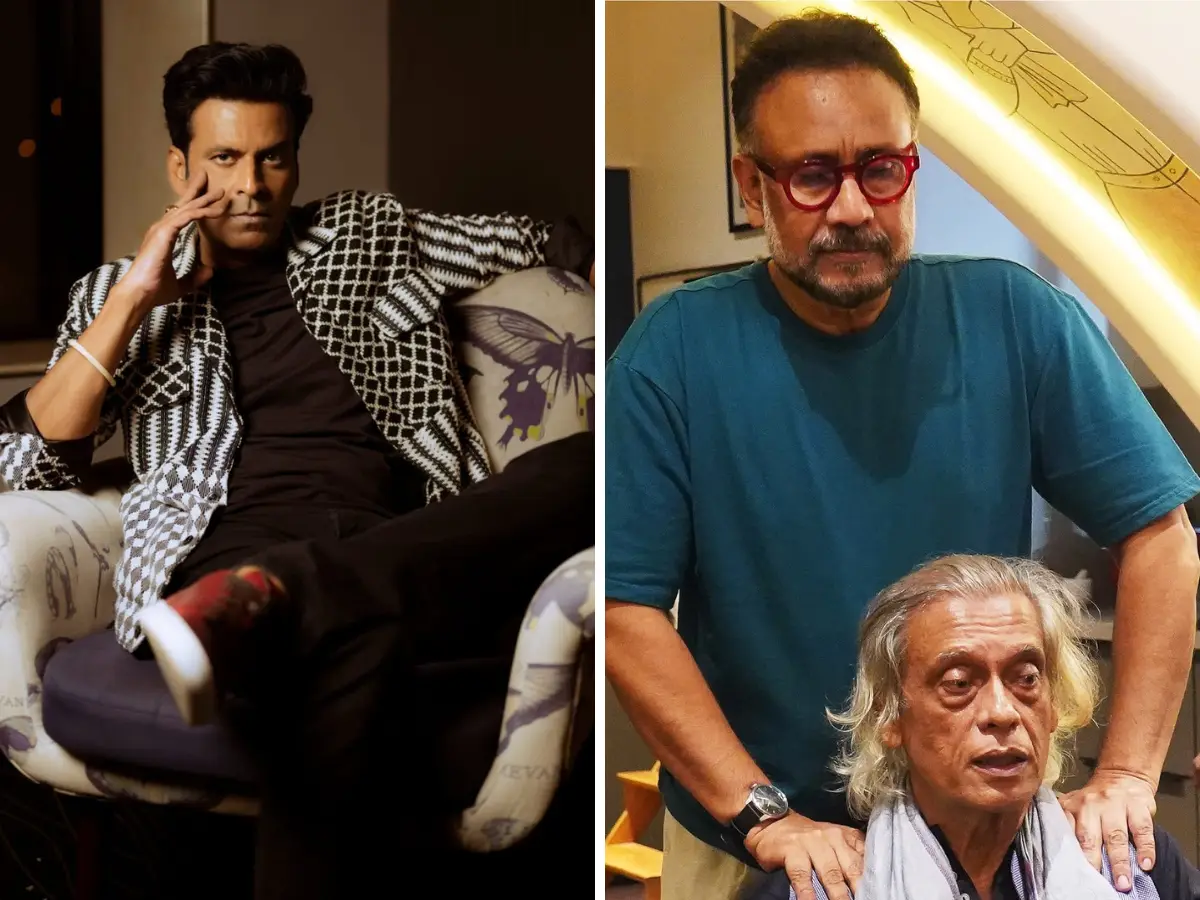
Manoj Bajpayee to Portray Gandhi in Sudhir Mishra’s Upcoming Film

Rajeev Raja & Dharavi Rocks Perform at Kala Ghoda Arts Festival
