

Archive · 30 Aug 2026
Sumit Sarkar: A Historian Who Questioned History Through Humanity
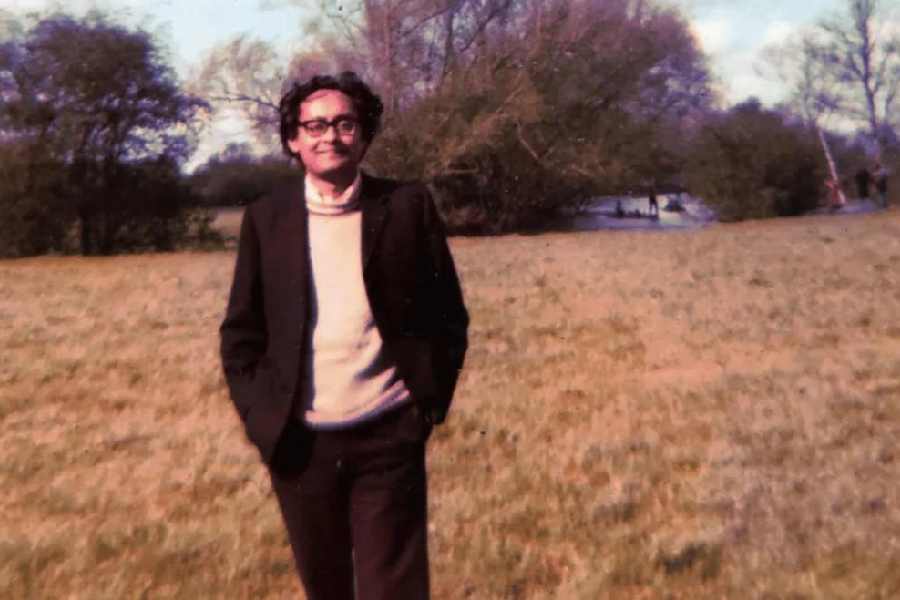
Sumit Sarkar was a historian who studied how people and societies changed.
He believed historians should look at many different stories instead of accepting one official version.
He also believed history should focus especially on ordinary and marginalized people.
Friends remembered him as very careful, polite and willing to correct his own work.
In 2008, he publicly examined weaknesses in one of his important books.
He enjoyed poetry, paintings, music and other forms of culture.
His research helped the writer understand Bengali novels and the Bengal Renaissance better.
Sarkar also disagreed with some ideas in his father’s historical writing.
His father defended him and believed socialism should allow people with different views to work together.

Sumit Sarkar is remembered as an exacting, humble historian anchored in secular, socialist and democratic values.
He argued that historians should study many perspectives while maintaining a clear worldview and focusing on marginalized people.
Sarkar subjected his classic work The Swadeshi Movement in Bengal 1903-1908 to searching self-criticism.
His scholarship connected political history with literature, art and culture, influencing the writer’s reading of Bengali novels.
Sarkar challenged assumptions in his father Susobhan Sarkar’s work, despite criticism from some Communist Party of India supporters.
- Who
- Historian Sumit Sarkar, his family, colleagues, students and the writer who recalls knowing him.
- What
- A tribute describes Sarkar’s historical method, political values, cultural interests and willingness to question established interpretations, including his own.
- When
- The account recalls events from the 1960s, a 2003 interview and a 2008 historical conference address.
- Where
- The events took place in Calcutta, at Presidency College, the Centre for Studies in Social Sciences and an Itihas Samsad session in Tamluk.
- Why
- The tribute explains how Sarkar’s secular-socialist-democratic outlook, self-criticism and focus on marginalized people shaped his historical work and influenced others.
Revisionist historical reading
Established or loyalist interpretations
Interpreting historical traditions
Revisionist historical reading
Sumit Sarkar questioned mythifying versions of Hindutva’s history and challenged basic assumptions in his father Susobhan Sarkar’s historical evaluation.
Established or loyalist interpretations
Some Communist Party of India supporters described the son’s challenge to his father’s ideas as an unforgivable betrayal, while Susobhan Sarkar himself defended his son’s alternative reading.
Assessing Sarkar’s first classic
Revisionist historical reading
Sarkar himself offered a searching self-criticism of The Swadeshi Movement in Bengal 1903-1908 at the 2008 Tamluk session.
Established or loyalist interpretations
Historian Arun Bandyopadhyay felt Sarkar was admonishing himself too much, while Niharranjan Ray had suggested the book alone would have secured Sarkar’s reputation.
- Field
- History
- Core outlook
- Secular, socialist and democratic
- Notable work
- The Swadeshi Movement in Bengal 1903-1908
- Later work
- Modern Times
- 2008 event
- Sarkar gave a self-critical presidential address at an Itihas Samsad session in Tamluk.
- Student years
- He studied at Presidency College in the 1960s.
- Cultural interests
- Poetry, music, painting, literature and art