

Archive · 31 Jul 2026
Jet Lag’s Short‑Term Impact on Blood Sugar Levels
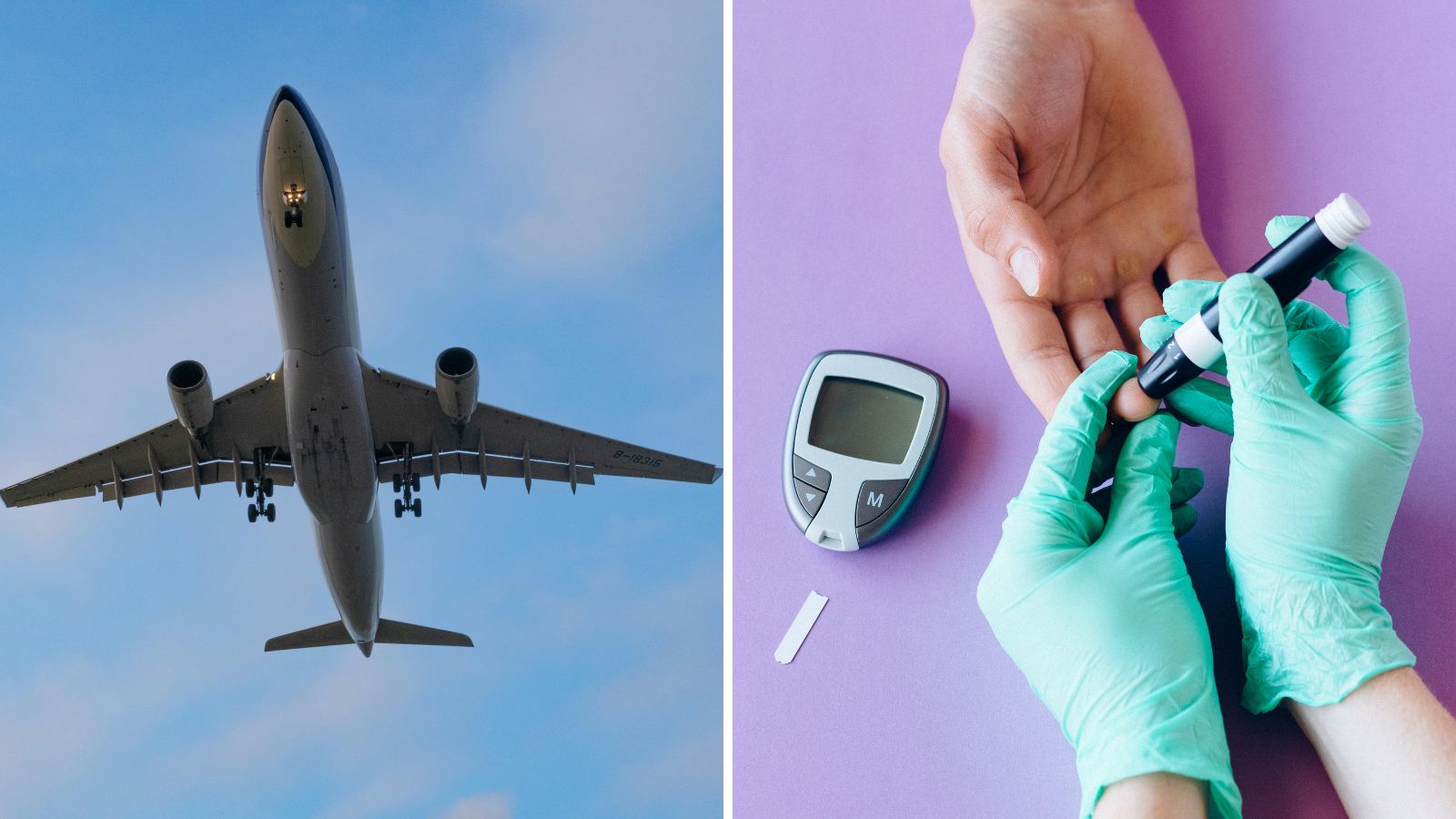
When you fly long distances, you cross many time zones and your body’s internal clock gets confused.
This can make your blood sugar go up for a few days, especially if you already have diabetes or are overweight.
It happens because you sleep badly, eat at odd times, feel stressed, and don’t move much.
The good news is it’s temporary.
If you eat when the new time says, drink water, walk a bit after you land, and try to sleep well, your body will adjust quickly.

Jet lag can temporarily lower insulin sensitivity, causing higher blood sugar spikes for a few days.
The effect is strongest in people with prediabetes, diabetes, obesity, or shift workers.
Disrupted sleep, irregular meals, stress, and reduced activity all contribute to the glucose rise.
These changes are short‑term and reverse once normal routine resumes.
Adjusting to destination meal times, staying hydrated, walking after landing, and prioritizing sleep can mitigate the impact.
- Who
- Frequent travelers, especially those with prediabetes or diabetes
- What
- Temporary rise in blood sugar due to jet lag
- When
- During the first few days after a long‑haul flight
- Where
- Across time zones during travel
- Why
- Disruption of circadian rhythm, sleep, meals, stress, and reduced activity
- Affected Populations
- Prediabetes, diabetes, obesity, shift workers
- Duration of effect
- First 2–3 days after travel
- Key contributing factors
- Disrupted sleep, irregular meals, stress, reduced activity
- Mitigation strategies
- Align meals with destination time, hydrate, walk, sleep
- Expert
- Kanikka Malhotra, Consultant Dietician & Diabetes Educator