

5 days ago
Tishani Doshi on Poetry, War, the Body and Connection

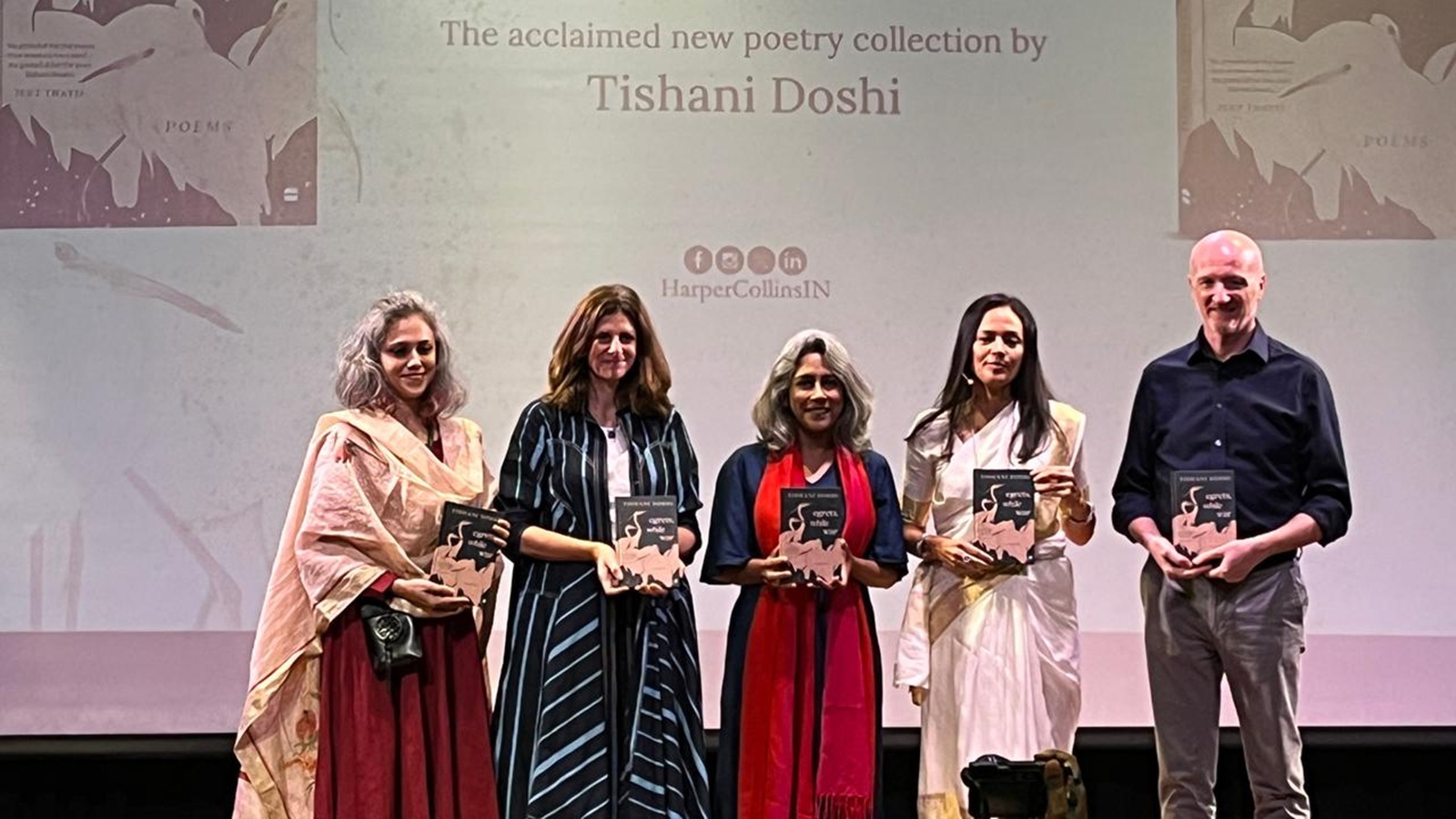
Poet Tishani Doshi has published a book called Egrets, While War.
She says its poems came together gradually rather than from a plan for one big project.
The poems look at love, growing older, grief, and wars happening in the world.
Watching egrets helped her think about how long the planet has existed compared with human conflicts.
She says poems can begin with a real image, such as children harmed by war, and connect it to bigger ideas.
Dance helps her understand how the body holds memory, rhythm, and feelings.
Doshi believes poetry should make room for surprise and should not follow a fixed formula.
She also says readers can understand a poet better by reading a whole collection, not only a poem shared online.

Doshi says her collection Egrets, While War grew from poems written individually over several years, with themes emerging over time.
The poems connect personal aging and grief with wars, climate change, economic hardship and wider despair.
Watching egrets near her home while Russia’s aggression against Ukraine began inspired the collection’s title and its contrast between planetary time and human conflict.
Doshi says poems respond to specific images of war, including suffering in Gaza and Palestine, while connecting present violence to recurring histories of conflict.
She describes dance and bodily experience as central to her writing, and argues poetry depends on human mystery, surprise and experimentation.
- Who
- Poet Tishani Doshi.
- What
- She discusses the ideas, influences and writing process behind her poetry collection Egrets, While War.
- Where
- In an interview with Scroll; Doshi describes observing egrets near her home by the Bay of Bengal.
- When
- The poems began taking shape after Covid; Doshi says she had worked for two or three years when themes generally emerge.
- Why
- Doshi reflects on connecting intimate experience with war and other global concerns, and on how poetry can respond to them.
How nature appears amid human conflict
Two readings Doshi describes
Nature and suffering
How nature appears amid human conflict
Birds and ordinary life can offer a moment of attention and remind people that humans share the planet with other creatures.
Two readings Doshi describes
The planet’s great age and continued life can also make it seem indifferent to human suffering and conflict.
Specific wars and recurring violence
How nature appears amid human conflict
Some poems respond to particular images and events, including suffering in Gaza and Palestine and India-Pakistan tensions.
Two readings Doshi describes
Doshi says these specific moments also connect to a repeated, wider history of war and civilian suffering.
Key facts
- Collection
- Egrets, While War
- Interview outlet
- Scroll
- Writing period described
- Doshi says themes often emerge after two or three years of working.
- Title inspiration
- Egrets she watched on January mornings, alongside news of Russia’s aggression against Ukraine.
- Subjects discussed
- Loss, war, love, aging, climate change, memory, language and connection.
- Dance and poetry
- Doshi says dance informs the physicality, rhythm and bodily awareness in her poems.
Quotes
Children in Gaza
Children whose words Doshi recalls in discussing images of war and civilian suffering.
“Stop killing us.”
 scroll.in
Sources
Related news
Tishani Doshi’s Egrets, While War Shortlisted for PEN Heaney Prize
Siddhartha Menon’s Poems Explore Mortality, Meaning, War, and Wonder
Jiban Narah’s Yellow Metaphor Brings Assamese Poetry Into English

Poems Explore Abuse, Grief, Memory, Faith, and Inherited Wounds
Fifteen Haikus Find Wonder and Strangeness in Modern Life
How Protest Poetry Imagines a Community Beyond Violence
Tishani Doshi Says Poetry Endures Despite Predictions Of Its Death
Tishani Doshi's New Poetry Collection Explores Life and Mortality
