

Archive · 12 Nov 2025
How to Cope with Seasonal Flu and Nasal Congestion
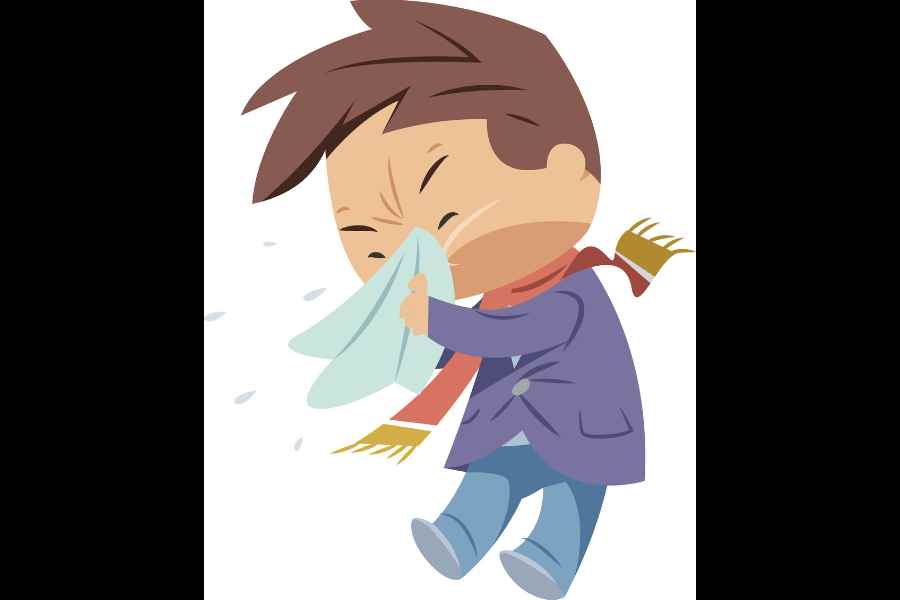
When the weather changes, especially when it gets colder, your nose can get stuffy and runny because the cold air makes it produce extra mucus.
Sometimes, even dust, smoke from Diwali crackers, or things like mold and pet dander can make you sneeze a lot.
If you get a fever, it might be a flu bug, which is usually caused by a virus and can last about a week.
It's important to know that the small pills called antibiotics only work for germs called bacteria, not viruses, so they won't help with a normal flu.
If your fever gets really high, or if your snot looks yellow or green, you should see a doctor.
There are also sprays that can help your nose feel better.
Some sprays have medicine to calm down swelling inside your nose, while others can quickly unblock it but shouldn't be used for too long.
Salty water drops can help clean out your nose too.

Seasonal changes, Diwali crackers, and other environmental factors can trigger flu-like symptoms such as sneezing and runny noses.
Cold air stimulates nerves in the nose, leading to increased mucus production and sneezing.
Allergens like dust, mold, pet dander, and pollutants from fireworks can also cause nasal irritation and sneezing.
Viral respiratory infections typically resolve within seven days with clear nasal discharge; seek medical advice for high fever or discolored discharge.
Treatment options include steroid nasal sprays for inflammation, saline drops for clearing mucus, and short-term use of decongestant sprays, while antibiotics are ineffective against viral infections.
- Who
- People experiencing flu symptoms, nasal congestion, or allergies.
- What
- Guidance on understanding and managing seasonal flu, allergies, and nasal congestion.
- When
- During flu season, which can be exacerbated by changes in weather and events like Diwali.
- Where
- The article provides general health advice applicable to individuals experiencing these symptoms.
- Why
- To inform readers about the causes of flu-like symptoms and various methods for relief and treatment, emphasizing the difference between viral and bacterial infections and the proper use of medications.
- Common Flu Symptoms
- Sneezing, runny nose, fever
- Viral Infection Duration
- Up to 7 days
- When to Seek Medical Attention
- Fever above 100.4°F, blood in sputum, yellow/green discharge
- Antibiotic Efficacy
- Effective only against bacterial infections, not viral
- Nasal Spray Usage
- Steroid nasal sprays can reduce inflammation; decongestant sprays (oxymetazoline) should not be used for more than a few days
- Saline Nasal Drops
- Can wash away mucus and allergens but do not relieve inflammation