

Archive · 30 Jan 2026
Ice on Burns Dangerous, Experts Warn
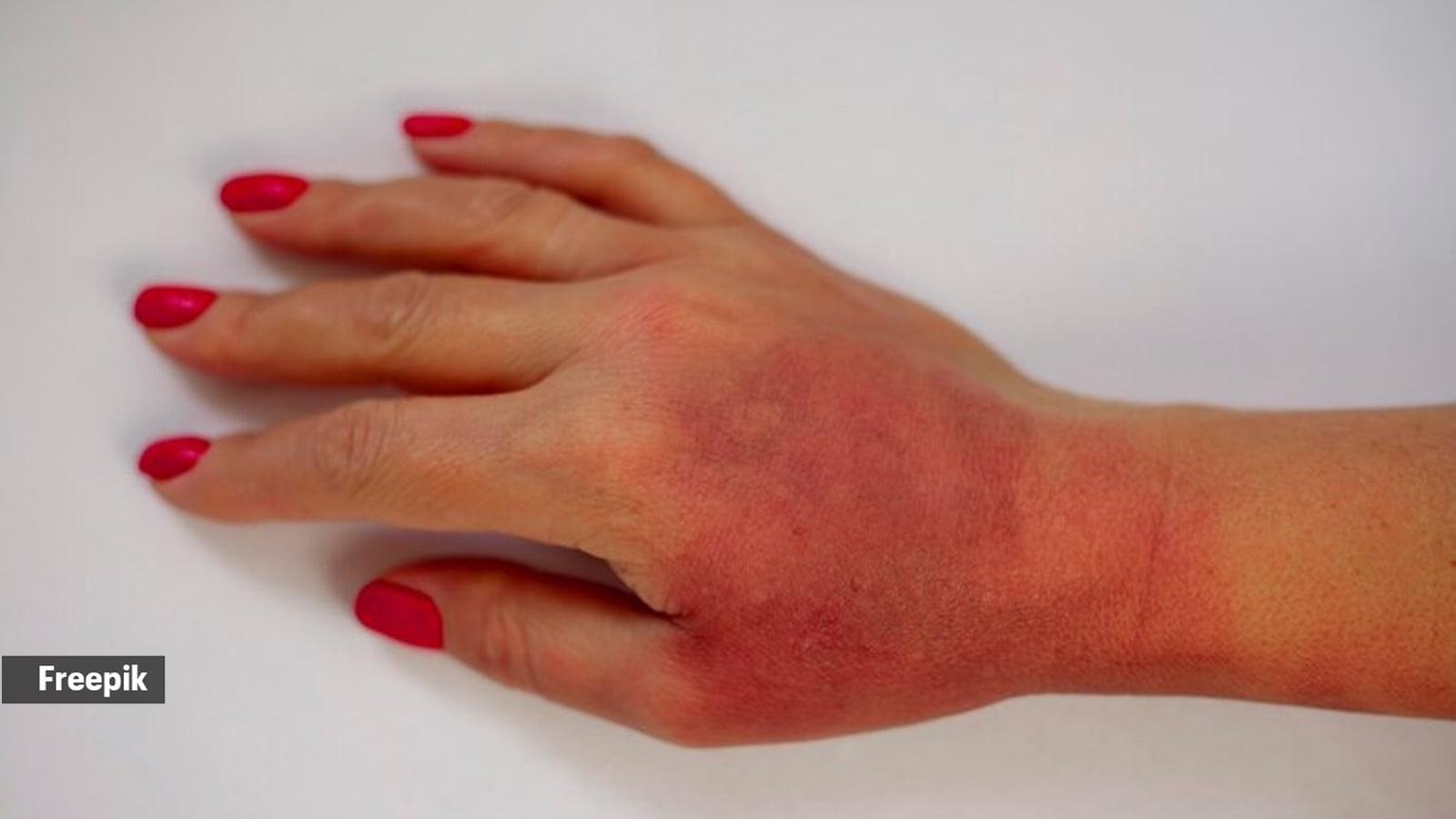
Many people think putting ice on a burn is a good idea, but doctors say it's actually bad.
Ice makes the blood vessels shrink, which means less blood, oxygen, and nutrients can get to the burned area.
This can make the burn worse, cause frostbite, and slow down healing.
Instead, experts recommend cooling the burn with cool (not cold) running water for about 10-20 minutes.
After that, cover the burn with a clean bandage.
If the burn is really bad, like with blisters or charred skin, you should see a doctor right away.
Using ice can also make the pain worse and increase the risk of infection.

Applying ice to burns can cause blood vessels to constrict, reducing blood flow and healing.
Ice can lead to frostbite, tissue damage, and increased pain.
Experts recommend cooling burns with cool running water for 10-20 minutes instead of ice.
Cover the burn with a sterile, non-adhesive bandage after cooling.
Seek medical attention for severe burns with blistering, charred skin, or larger than the size of a palm.
- Who
- Medical experts and burn victims
- What
- Applying ice to burns can cause more harm than good
- When
- When treating burns
- Where
- Anywhere burns occur
- Why
- Ice causes vasoconstriction, reducing blood flow and potentially causing frostbite
- Recommended Treatment
- Cool running water for 10-20 minutes
- Risks of Ice
- Frostbite, tissue damage, increased pain
- Expert Source
- Dr. Gunasekar Vuppalapati, Plastic Surgeon
- Study Reference
- Journal of Burn Care and Research
- When to Seek Help
- Blistering, charred skin, or burns larger than palm