

Archive · 21 Aug 2026
India Faces Decade-Long Path to Battery Self-Sufficiency
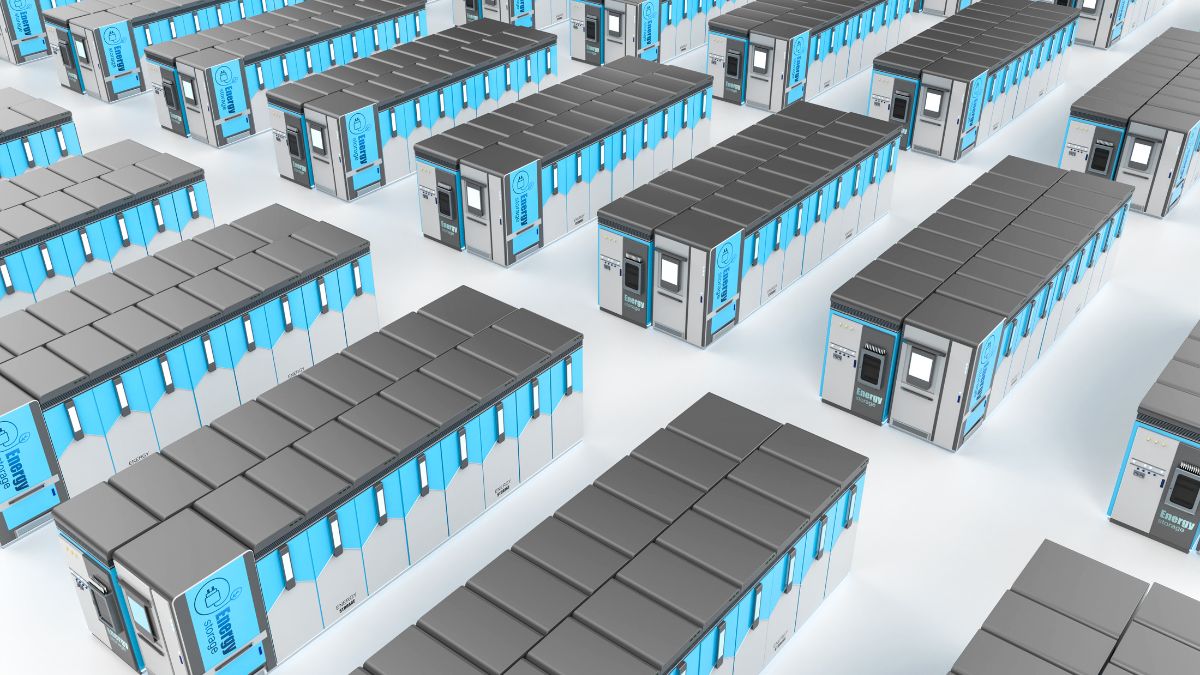
India wants to make more of its own batteries instead of depending heavily on imports.
Right now, it has only a small amount of battery-cell production compared with the batteries it may need.
Many new factories have been announced, but some could face delays or financial problems.
Making every part of a battery-storage project in India could make it about 30% more expensive.
Indian-made battery cells may also cost 25-40% more than imported cells at first.
Experts say India can begin by making simpler parts, such as battery packs, containers and control systems.
China currently has much more battery-making capacity than India.
Building a fully self-sufficient industry could take 10-15 years.

India has only 2 GWh of commissioned cell capacity in 2026, versus a 260 GWh battery-demand pipeline.
More than 226 GWh of Indian cell capacity has been announced through 2035, but delays and financing challenges threaten execution.
Requiring 100% domestic content in grid-scale battery storage could raise capital costs by about 30%.
Locally made cells may cost 25-40% more than imports, while downstream components could be localised within two to three years.
Wood Mackenzie estimates India could need 10-15 years to build a globally competitive, self-sufficient battery industry.
- Who
- India’s battery industry, supported by government domestic-content policies, and Wood Mackenzie analysts.
- What
- India may remain 10-15 years away from a globally competitive, self-sufficient battery-cell industry; full domestic content could raise battery-storage project capex by about 30%.
- When
- The assessment covers capacity in 2026, announced projects through 2035, and localisation expected over the next two to five years.
- Where
- India, compared with major battery-manufacturing destinations including China, Japan and South Korea.
- Why
- India is expanding grid-scale battery storage while trying to close gaps in manufacturing capacity, technology, financing and domestic supply chains.
Localisation and industrial opportunity
Cost and execution concerns
Domestic-content targets
Localisation and industrial opportunity
Greater domestic content could build Indian manufacturing capabilities and support the country’s battery-storage ambitions.
Cost and execution concerns
Moving from below 20% domestic content to 100% could increase project capital costs by about 30%.
Near-term manufacturing strategy
Localisation and industrial opportunity
Wood Mackenzie says containers, energy-management systems, SCADA and battery packs can be localised within two to three years.
Cost and execution concerns
Cell manufacturing still depends on imported inputs, foreign technology licensors and a limited supplier ecosystem.
Long-term competitiveness
Localisation and industrial opportunity
India has a reported cost advantage over Japan and South Korea, creating an opportunity to become a major manufacturing destination.
Cost and execution concerns
Execution delays, financing challenges and insufficient factory scale could prevent India from capturing that opportunity quickly.
- Commissioned capacity
- India had 2 GWh of commissioned battery-cell manufacturing capacity in 2026.
- Demand pipeline
- Competitive tenders represented approximately 260 GWh of battery demand.
- Announced capacity
- More than 226 GWh of cell capacity had been announced for construction through 2035.
- Full localisation cost
- Increasing domestic content from below 20% to 100% could add about 30% to capex for a benchmark 100-MW, two-hour BESS project.
- Cell cost premium
- Locally manufactured cells are expected to cost 25-40% more than imported cells.
- Manufacturing scale
- A 5-GWh facility operates at an estimated negative 10% EBITDA; breakeven is reached at 10 GWh, while positive margins require at least 20 GWh.
- China comparison
- China has 2,695 GWh of cumulative cell manufacturing capacity and controls 85-98% of global capacity across key battery materials.