Archive · 16 Nov 2025
Colorectal Cancer Rising Among Young Indians, Experts Urge Earlier Screening
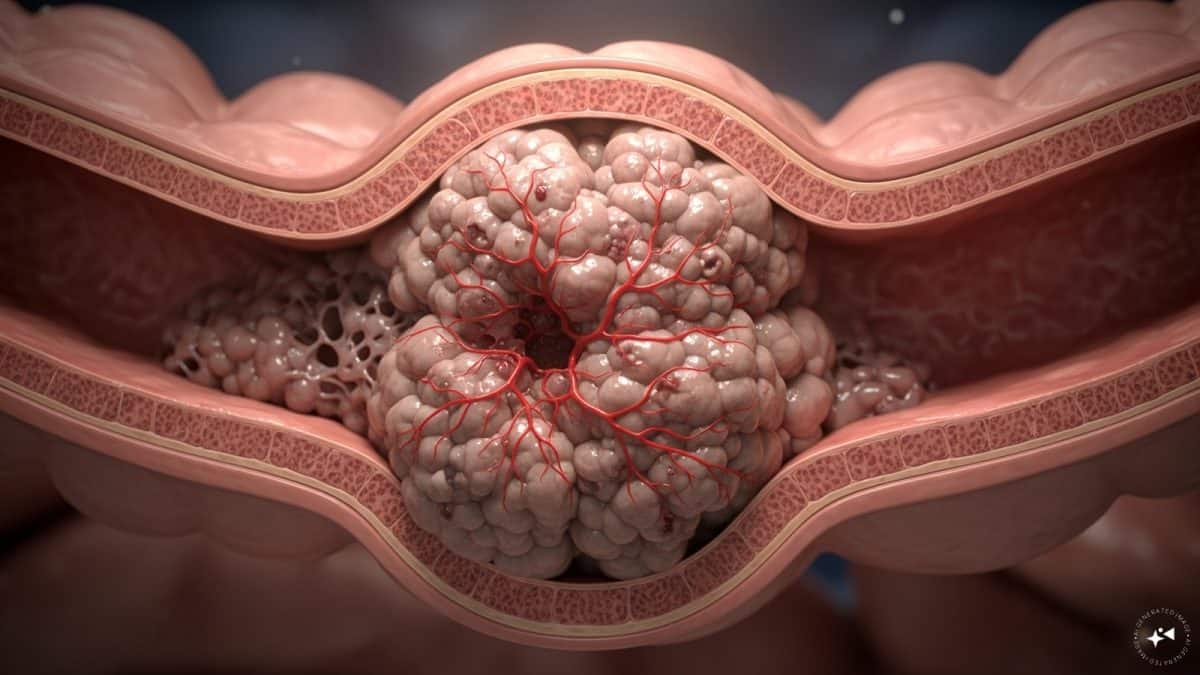
Imagine your body has a big tube inside called the colon.
Usually, older people get a sickness called colon cancer, which is like a bad weed growing in that tube.
But now, doctors are seeing this weed growing much more in younger people, even in their 30s and 40s.
In India, this is happening quite a bit.
It's because people are eating more processed foods, like snacks and fast food, and not enough fiber.
They are also not moving around much and sometimes using tobacco or alcohol.
The problem is, when young people get these symptoms, they often think it's something small like piles, or doctors don't think it could be cancer, so they wait too long to get checked.
By the time they find the weed, it’s already big and hard to treat.
Doctors are saying we need to start checking for these weeds much earlier, around age 40, and tell everyone about the warning signs so we can catch it when it's small and curable.

Colorectal cancer is rising sharply among young adults in India, a trend also observed globally.
Factors contributing to the rise include changing dietary habits, sedentary lifestyles, obesity, and increased consumption of processed foods and red meat.
Delayed diagnosis is a major concern, with young patients often presenting with advanced-stage disease.
Experts recommend lowering the screening age for colorectal cancer to 40 or even 35 for high-risk individuals.
Key warning signs like persistent rectal bleeding, unexplained fatigue, and changes in bowel habits should not be ignored and warrant immediate medical evaluation.
- Who
- Young adults in India, particularly those under 50, and medical experts.
- What
- A significant rise in colorectal cancer diagnoses among young Indians, often at advanced stages due to delayed diagnosis and lack of awareness.
- When
- Increasingly observed in recent years, with a call to potentially lower screening ages.
- Where
- India, with comparisons to global trends.
- Why
- Multifactorial causes including changing dietary habits, sedentary lifestyles, genetic predisposition, environmental factors, and significant delays in diagnosis.
Expert Observations (Dr. Dinesh Singh)
General Expert Consensus
Primary Concern
Expert Observations (Dr. Dinesh Singh)
Dr. Singh highlights a concerning rise in colorectal cancer among young Indians, often diagnosed at advanced stages due to delayed detection and low awareness.
General Expert Consensus
Experts globally observe a rise in early-onset colorectal cancer, often with more aggressive features and lower survival rates compared to older adults.
Contributing Factors
Expert Observations (Dr. Dinesh Singh)
Dr. Singh cites changing dietary habits (processed foods, red meat, low-fiber), sedentary lifestyles, obesity, tobacco/alcohol use, environmental pollution, and genetic predisposition as key drivers in India.
General Expert Consensus
Lifestyle factors like diet, alcohol, and physical inactivity are considered strong contributors. Disrupted gut health, inflammation, and DNA damage are implicated mechanisms.
Screening Age
Expert Observations (Dr. Dinesh Singh)
Dr. Singh advocates for lowering the screening age to 40 or even 35 for high-risk individuals in India, emphasizing the need for awareness campaigns and wider access to screening.
General Expert Consensus
Global public health considerations are trending towards reducing the screening age from the traditional 50, with recommendations for earlier start dates.
Barriers to Diagnosis
Expert Observations (Dr. Dinesh Singh)
Dr. Singh points to mistaking symptoms for piles, lack of awareness, stigma, inadequate diagnostic facilities, healthcare costs, and dismissal of symptoms by young people and physicians as reasons for delayed diagnosis in India.
General Expert Consensus
Delayed diagnosis is a global concern, often due to symptoms being overlooked or misattributed. Limited access to advanced diagnostics and high costs can exacerbate this.
- Expert
- Dr. Dinesh Singh, Director of Radiation Oncology, Action Cancer Hospital, Delhi
- Trend
- Alarming rise in early-onset colorectal cancer (individuals under 50) in India and globally.
- Contributing Factors (India)
- Changing diet (processed foods, red meat, low-fiber), sedentary lifestyle, obesity, tobacco/alcohol, environmental pollution, genetic predisposition, delayed diagnosis, low awareness.
- Recommended Screening Age (India)
- Ideally 40, or even 35 for high-risk individuals (family history, IBD, Lynch syndrome).
- Barriers to Screening/Diagnosis (India)
- Mistaking symptoms for piles, low awareness, stigma, inadequate facilities, high out-of-pocket costs, dismissal of symptoms.
- Warning Signs
- Persistent rectal bleeding, unexplained anemia, abdominal pain, chronic constipation/diarrhea, sudden weight loss.
- Emerging Technologies
- Stool-based tests (FIT, Cologuard), liquid biopsies (ctDNA), AI-driven algorithms.