

Archive · 29 Jan 2026
Kalonji Seeds Offer Multiple Health Benefits
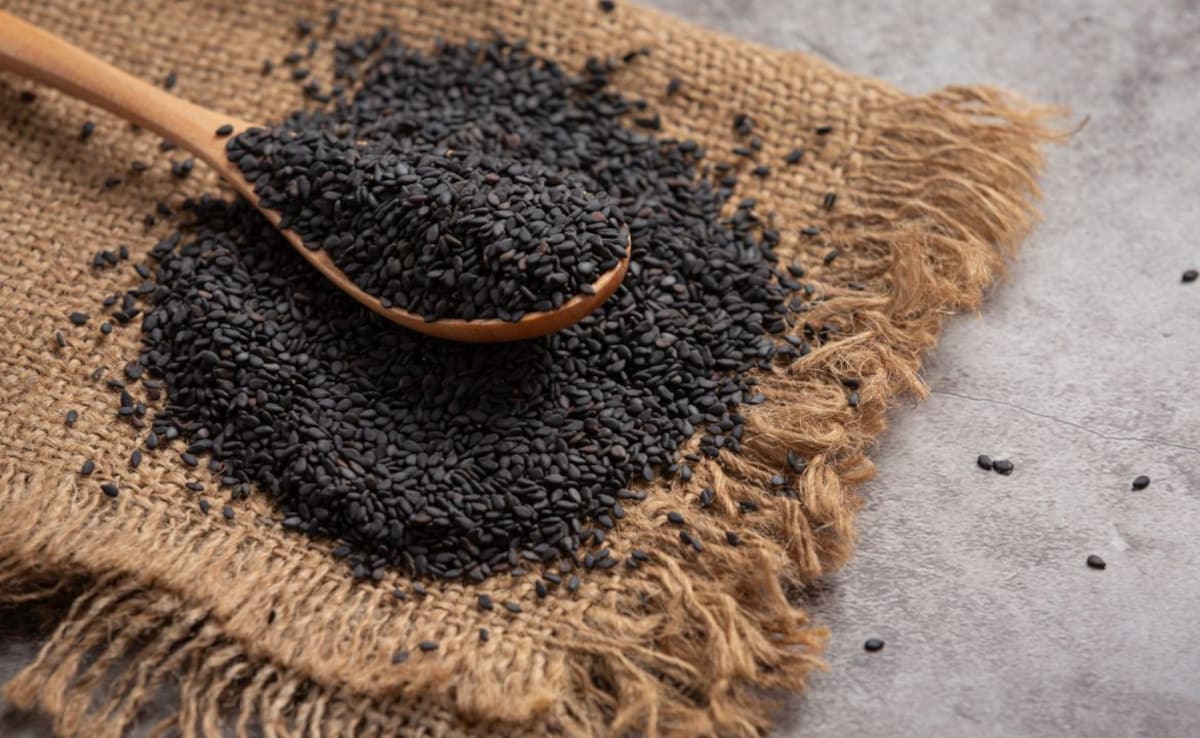
Kalonji seeds, also known as black seeds or nigella seeds, are tiny black seeds used in cooking.
They contain many important nutrients like proteins, vitamins, and minerals.
A doctor named Saurabh Sethi talked about how these seeds can be good for our health.
They can help lower blood pressure, reduce bad cholesterol, and improve blood sugar levels.
They also have antioxidants that fight harmful things in our body and can help with digestion and breathing problems.
However, eating too many can be harmful, so it's best to eat only a small amount each day.
Always remember to ask a doctor before trying new things for your health.

Kalonji seeds contain essential nutrients like proteins, vitamins, and minerals.
They can help lower blood pressure, reduce cholesterol, and improve insulin sensitivity.
Kalonji seeds have anti-inflammatory properties and can aid in reducing joint pain and asthma symptoms.
They are rich in antioxidants and can support liver and kidney health, though more research is needed.
Consuming more than the recommended amount (1/2 to 1 teaspoon daily) can be toxic.
- Who
- Gastroenterologist Saurabh Sethi and general public
- What
- Health benefits and risks of kalonji seeds
- When
- Not specified
- Where
- Not specified
- Why
- To inform about the potential health benefits and proper usage of kalonji seeds
- Common Names
- Black seeds, nigella seeds, black cumin, kalonji
- Nutrients
- Protein, carbohydrates, dietary fiber, fat, calcium, phosphorus, iron, sodium, potassium, vitamins A, C, E, K
- Key Compound
- Thymoquinone
- Recommended Daily Intake
- 1/2 to 1 teaspoon
- Potential Risks
- Toxic in very high doses
- Health Benefits
- Lower blood pressure, reduce cholesterol, improve insulin sensitivity, reduce inflammation, aid respiratory health, boost metabolism, support immune function, enhance skin and hair health
- Scientific Evidence
- Some benefits supported by clinical trials, others are experimental