

Archive · 28 Aug 2026
Mumbai Auto-Taxi Fare Hike Draws Commuter, Union Concerns
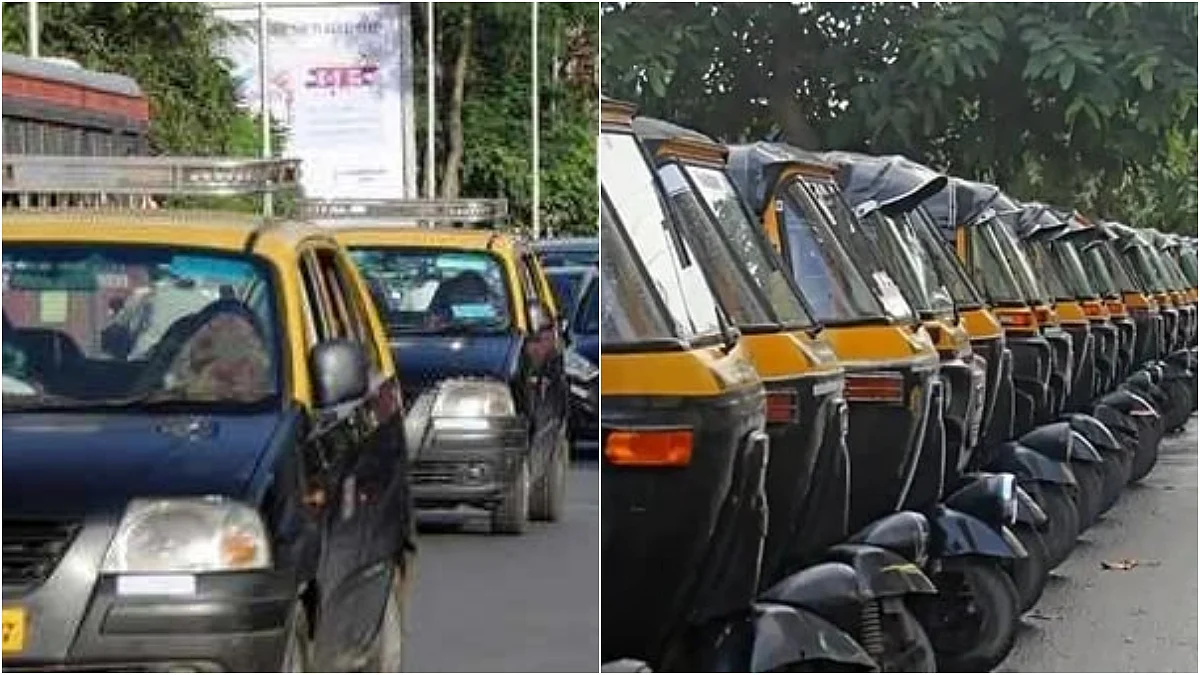
Mumbai’s transport authority approved small fare increases for autos and taxis.
The new prices begin on September 1.
The cheapest auto ride will cost Rs 27 instead of Rs 26.
The first 1.5 km in a taxi will cost Rs 33 instead of Rs 31.
Many passengers worry that even small increases will make daily travel harder.
They say food and other household costs are already rising.
Auto and taxi unions have a different complaint.
They say the increases are not enough to pay for fuel, repairs, insurance and other expenses.
The unions want the government to study costs and consult drivers before setting fares.

From September 1, minimum autorickshaw fares will rise from Rs 26 to Rs 27.
The minimum taxi fare for the first 1.5 km will increase from Rs 31 to Rs 33.
Commuters said the hikes could worsen household pressures amid inflation and stagnant salaries.
Autorickshaw and taxi unions said the increases were too small to cover fuel, maintenance and insurance costs.
Operators must recalibrate their meters by the end of November; the region has over 4.5 lakh autos and 50,000 taxis.
- Who
- The Mumbai Metropolitan Region Transport Authority approved the changes; commuters and auto-taxi unions responded to them.
- What
- Minimum autorickshaw and taxi fares will increase by Rs 1 and Rs 2, respectively.
- When
- The new fares take effect on September 1; meters must be recalibrated by the end of November.
- Where
- The Mumbai Metropolitan Region, including Mumbai and parts of Thane district.
- Why
- Authorities approved the revision, while commuters cited inflation and unions said the increases do not cover rising operating costs.
Commuters and affordability concerns
Unions and operating-cost concerns
Impact of the fare increase
Commuters and affordability concerns
Commuters said the higher fares would add to household costs while inflation is already affecting food and other essentials.
Unions and operating-cost concerns
Unions said the approved increases were inadequate and would not sufficiently address drivers’ rising expenses.
Appropriate size of revision
Commuters and affordability concerns
Passengers opposed the increases, saying even Rs 1 or Rs 2 could burden poorer people.
Unions and operating-cost concerns
Union leaders sought another Rs 1 to Rs 2 increase, arguing that fares had risen by only Rs 1 after nearly two years.
How fares should be set
Commuters and affordability concerns
Commuters emphasized stagnant salaries and the broader rise in transport and living costs.
Unions and operating-cost concerns
Unions demanded a scientific assessment of fuel, maintenance and insurance costs, consultations with driver representatives, and a permanent periodic revision mechanism.
- New minimum auto fare
- Rs 27, up from Rs 26
- New minimum taxi fare
- Rs 33 for the first 1.5 km, up from Rs 31
- Effective date
- September 1
- Meter deadline
- Operators must recalibrate meters by the end of November
- Autorickshaw fleet
- More than 4.5 lakh in the Mumbai Metropolitan Region
- Black-and-yellow taxi fleet
- More than 50,000 in the Mumbai Metropolitan Region
- Main operating fuel
- Most autos and taxis run on compressed natural gas (CNG)
